
WORDS: ADAM BUSHBY
PHOTOGRAPHY COURTESY TOM WATT
Glory Travel sits down with Tom Watt, football traveller, writer and broadcaster.
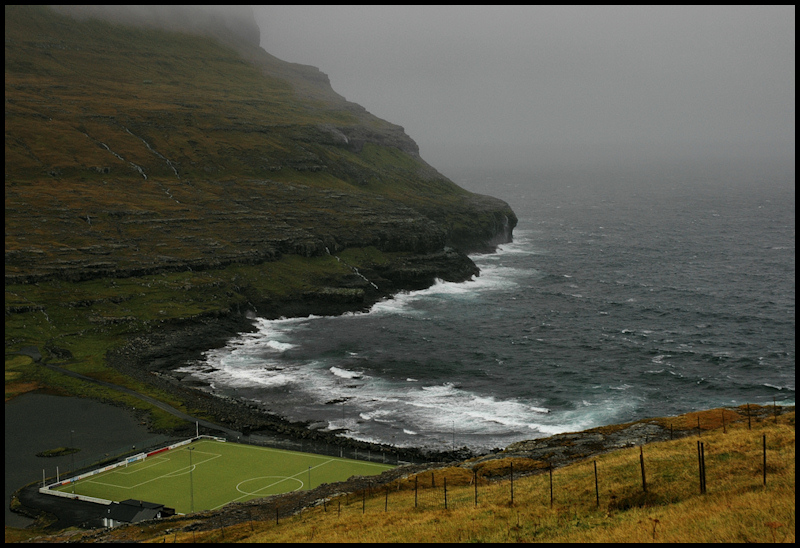
There are easier ways to travel than following football. Cheaper ways, too. But few that offer such a direct route into the personality of a place, as Tom Watt, football traveller, writer, broadcaster, former Eastenders star, as well as the face and voice behind the wonderful Football Outposts series, explains.
As we know full well here at Glory Travel, football travel is balm for the soul. Watt remembers his first time like it was yesterday. 1969. Crystal Palace away. As a dyed-in-the-wool Gooner — Watt was born in Holloway, just down the road from Highbury — a 5-1 win at Selhurst Park featuring a hat-trick from his favourite player, John Radford, was the one. “I thought, this going away, this is good,” Watt recalls. “And if it wasn’t for [the 5-1 win], I wouldn’t have gone away again.”
That instinct to “go away” would become the compass for a lifetime of travel and storytelling. After college, Watt spent a year and a half travelling around Mexico and Guatemala. On his very first night, he went to the mythical Azteca in Mexico City. He’d caught the bug.
The allure of the outpost
What becomes immediately clear is that Watt has a deep affection for football that is rooted in community. Football Outposts began as a way of exploring what makes football meaningful at its edges — the tiny clubs and communities that sit outside the sport’s global spotlight. First conceived for what became the BT Sport Films series, Football Outposts saw him criss-cross Britain, visiting clubs from Arbroath to Accrington Stanley and capturing not just matches, but the people who make them matter.
Watt would fly out and sit down with fans of all hues: “We'd hang about and chat.” He continues: “And you'd get to talking to people and so I've just got that kind of fascination and that love of the pyramid, which of course is absolutely unique in this country.” Watt went everywhere from Scarborough to Swansea via Carlisle to the now defunct Rushden & Diamonds in his search for the soul of British football in that first programme.
Describing his visits to clubs like Cheltenham Town, where he is a regular at Whaddon Road, Watt embraces that unsanitised spirit that saw him fall in love with the game in the first place. “I go to Cheltenham every other week, you know, that's really where I just get me fun now, standing behind the goal.”
It isn’t the global superstars bigger than the club or endless discussions of tactics and xG that keep Watt devoted to the game. “It was [always] about the vibe, it was about the atmosphere, about the look of the place, the smell of the place.”


Beyond Britain: European outposts
As Football Outposts evolved, so did its scope. Later films took Tom deeper into Europe, from the Faroe Islands to Kazakhstan, revealing how football manifests in places few outside their own borders ever see.
It was the second episode, however, that stands out for Watt in terms of being a storyteller’s paradise. Under siege in the mid ‘90s, Sarajevo emerged from the Bosnian war as a beacon of hope, named ‘European Capital of Culture’ in 2014, the same year that Watt journeyed there.
“I knew it from back in the day, from Simon Kuper's book actually, Football Against the Enemy,” Watt says. “And I ran into [football writer] Jonathan Wilson, who you're probably familiar with, and I knew he'd been there, so I said to him ‘Jonathan, if you could go anywhere in Europe to watch football where would it be?’ and straight away he said ‘Sarajevo.’”
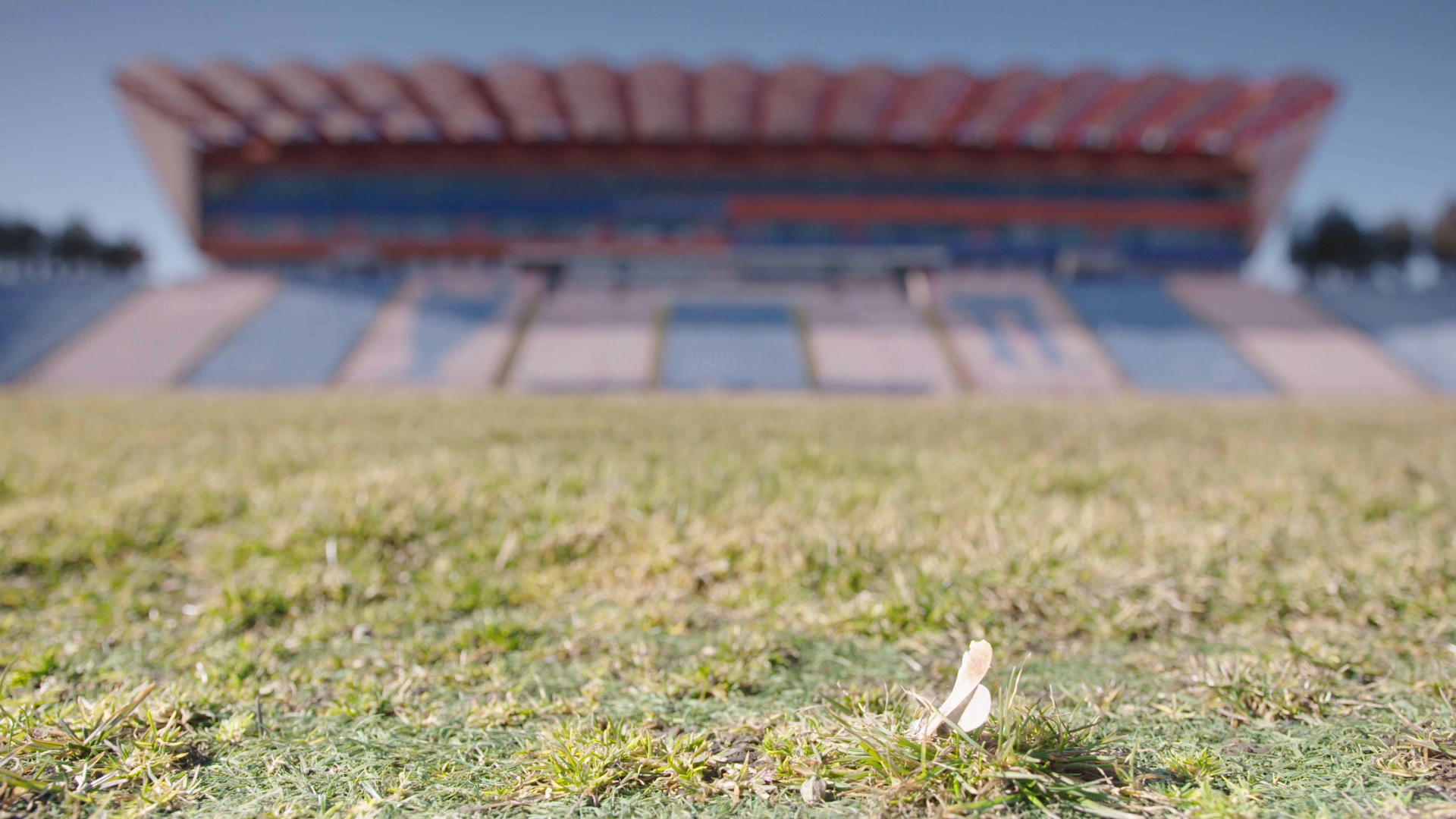
It was the tale of a city, encapsulated by the story of FK Željezničar Sarajevo, that had Watt hooked. On April 5, 1992, the match between Željezničar and FK Rad at Grbavica was abandoned just 35 minutes before kick-off due to gunfire reported around the ground. Grbavica Stadium would be burned down during those first brutal months of the war. Along with the wooden west stand, club memorabilia and trophies were lost in the flames. There was a real fear that the pitch hid land mines. It wouldn’t be until 1996 that a football match would be played at the ground again.
From the ashes of war, Željezničar was rebuilt through the love of the fans.
“It's just fantastic. The spirit of that football club is just unbelievable,” Watt explains. “Then there's the stories of people who got out, people who couldn't get out, people who didn't want to get out. Edin Džeko being one of them. His parents left and he stayed with his grandparents because he was in the youth system at Željezničar so he kept training.
In Sarajevo, football becomes inseparable from the city’s history of siege and survival, and the division that once split people along lines of politics and religion now splits only by who you support. That, Watt says, tells you everything you need to know about the power of football as a cultural force.
“There's great stories everywhere, but Sarajevo, that is the place,” he smiles. “That is the place.”

A travel philosophy
For Watt, football travel isn’t about choosing between cathedrals like San Siro and the grassroots magic of lower-league grounds — it embraces both. “I would say that what's great about football; there's room for both and they appeal in completely different ways,” he says. “I was working in Rome a couple of weeks ago and there happened to be a game at the Olimpico, an Italian Cup game, Lazio v Milan. So I went. Do you know what I mean? It's a game. Great. So obviously you've got, whether it's the Stadio Olimpico or the San Siro or wherever, obviously that's great. But so's Grbavica. So's Gayfield.”
And for anyone who’s ever planned a trip around a match — whether a Rhine derby in Cologne or a cup tie in Paisley — that’s the real draw of football travel. It turns journeys into memories and matches into meaningful encounters with cultures and communities across the world.