
ABOUT
Miami is a city of perpetual sunshine, rhythm, and colour. A gateway between North America and Latin America, it boasts stunning Art Deco architecture in South Beach, a world-renowned nightlife scene, and exceptional Cuban and Caribbean food. The turquoise waters and laid-back energy make it one of the USA's most enticing cities.
Inter Miami CF joined MLS in 2020 and quickly became one of the league's most high-profile clubs, driven by the star power of co-owner David Beckham and a series of marquee signings. The arrival of Lionel Messi in 2023 changed everything – Chase Stadium in Fort Lauderdale sold out immediately, ticket prices soared and Inter Miami became a global talking point. Alongside Messi, the squad includes fellow MLS arrivals Luis Suárez, Sergio Busquets and Jordi Alba – making it the most star-studded roster in the league's history.
Miami itself is one of North America's most vibrant cities, blending Latin American culture, Caribbean energy and American glamour into something genuinely unique. The food scene is exceptional, the nightlife is legendary, the beaches are among the finest in the USA and the sports culture – driven by the Heat, Dolphins, Marlins and now Inter Miami – is fervent. The city's majority-Hispanic population means football has always had deep roots here; Inter Miami has simply lit the touch paper.
Miami

Getting FIFA World Cup 2026 Tickets
Tickets and ticket prices have been much of the talk for the World Cup, so far. Because of the high prices for the World Cup, it means there are still tickets available for most games.
This is the biggest World Cup ever, with 48 teams and 104 matches through the tournament, running from 11th June to 19th July. Here's everything you need to know.
Official channels first.
The Last-Minute Sales Phase launched on 1st April and runs through until the end of the tournament. Unlike earlier lottery phases, tickets are sold on a first-come, first-served basis with instant confirmation. Your FIFA ID needs to be active and payment details saved in advance, as inventory for high-profile matches in cities like New York and Los Angeles sells out within minutes of being released. All purchases go through FIFA.com/tickets.
The official resale route.
The FIFA Resale/Exchange Marketplace reopened on April 2 and remains open until one hour before each match's kick-off. Availability can be very limited, with tickets appearing sporadically, so best advice is to check frequently and act quickly. All transactions and ticket transfers are handled by FIFA, keeping the tickets digital throughout. There is no limit on the mark-up on tickets, so prices can vary. However, with dynamic pricing, there's always a chance some tickets get cheaper nearer to the game.
Third-party resale — proceed with caution.
Platforms like StubHub, Viagogo, and SeatGeek operate legally in many markets but are not recognised by FIFA as valid resale channels. FIFA has made clear that tickets bought outside the official system may be invalid or cancelled. FIFA has placed no restrictions on resale pricing, which has caused significant controversy — particularly for the final, where prices are expected to be extremely high.


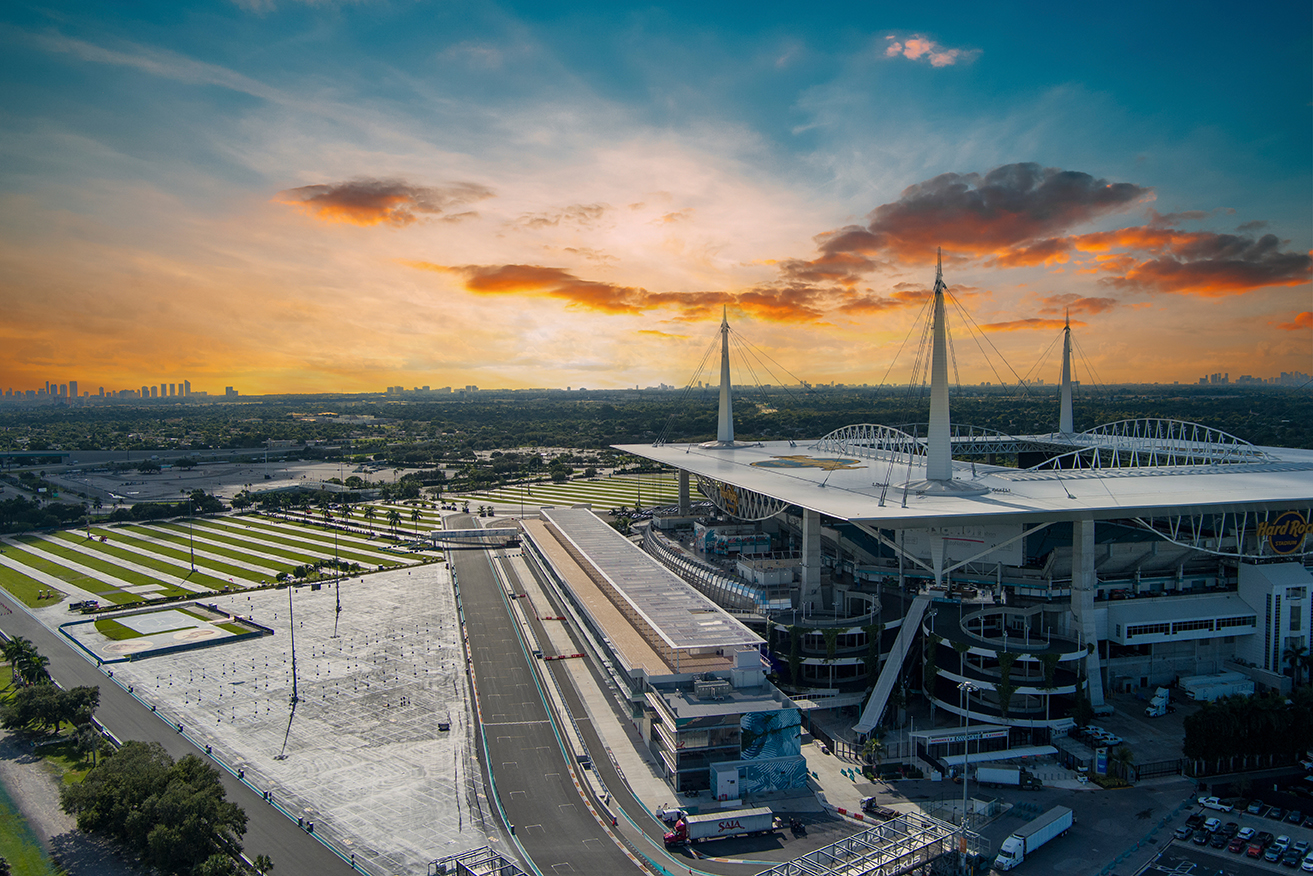
Hard Rock Stadium would normally be an excellent tour stop for football travellers, with the venue combining Miami Dolphins history, major concerts, Formula 1, tennis, international football and now 2026 World Cup status. However, the stadium’s official tours page currently states that public tours are not running at this time, with fans asked to register interest for updates when tours resume.
If tours return before the World Cup, expect them to focus on the stadium’s modernised bowl, premium areas, event spaces and behind-the-scenes operations rather than a traditional football-club museum feel. It is still worth checking the official Hard Rock Stadium tours page before travelling, especially around Dolphins games, Miami Open, concerts and 2026 World Cup preparation periods, when access may be restricted.


Address: Hard Rock Stadium, 347 Don Shula Drive, Miami Gardens, FL 33056
20 miles north of Miami via I-95. Metrobus Route 27 runs north along US-1; rideshare is the most practical option.
Capacity: 64,767.
WC matches: 6 group-stage + quarter-final.

FAN ZONE: FIFA Fan Festival Miami — Bayfront Park
Miami’s fan festival will be one of the most scenic of the tournament, taking over Bayfront Park in Downtown Miami from June 13 to July 5. Expect waterfront views, big-screen match broadcasts, live entertainment, cultural performances, food and drink vendors, games and interactive fan experiences. It is the obvious base for supporters without tickets to Hard Rock Stadium and should feel more like a Miami festival than a standard public screening.
Cost: Entry is free and family-friendly. Budget for food, drink, transport and any premium areas or special experiences.


One of Miami’s most famous hotels, offering beachfront access, multiple pools, and world-class nightlife. Ideal for fans wanting a full Miami experience alongside the World Cup.

A stylish South Beach hotel known for its vibrant design and lively pool scene. Perfect for younger fans looking for a fun, social base.

A stylish and reliable hotel located a short drive from Hard Rock Stadium. Ideal for football fans wanting easier matchday logistics without sacrificing comfort or local amenities.

A popular budget-friendly option known for its social atmosphere and poolside bar. It’s ideal for fans on a budget, while still wanting to enjoy the lively Miami experience.


CUBAN, CARIBBEAN AND MORE.
Miami's food scene is shaped by its extraordinary demographic mix. The Cuban community – particularly in Little Havana – has made Cuban cuisine synonymous with the city: the pressed Cubano sandwich, rice and black beans, ropa vieja (slow-cooked shredded beef) and pastelitos (flaky pastries) are city staples available everywhere from corner windows to white-tablecloth restaurants.
Beyond Cuban food, Miami has outstanding Haitian, Colombian, Venezuelan, Peruvian and Caribbean restaurants reflecting its broader Latin American and Caribbean community. Stone crabs (in season October to May) and fresh fish from the Florida Keys are the city's premier local ingredients. South Beach's hotel restaurants have brought high-end international dining to the waterfront, and the Design District and Wynwood have become home to some of Florida's most ambitious cooking.
Miami is also a world-class breakfast city – the Cuban tradition of a shot of sweet café cubano with a pastelito de guayaba (guava pastry) is the city's signature morning ritual.


Joe's Stone Crab is one of the city’s most famous restaurants. The stone crab claws with mustard sauce are delicious, and the setting is iconic.

The world's most famous Cuban restaurant, serving delicious food in Little Havana since 1971. Versailles is a must-visit for football fans wanting an authentic pre-match meal.
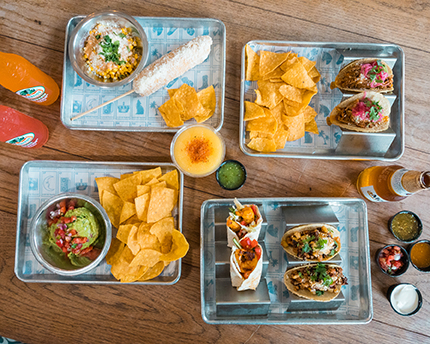
A Miami favourite with multiple locations serving fresh tacos in a vibrant, fast-paced setting. Ideal for a quick stop before the match, with great value food.

Michael Schwartz's flagship restaurant remains one of Miami's finest, with a frequently changing menu of locally sourced food cooked with care. Reservations essential.

INTERNATIONAL DJs AND COCKTAIL BARS
Miami's bar and nightlife scene is one of the most celebrated in the world, particularly the South Beach strip and the Design District, where world-famous nightclubs attract international DJs and clientele. But beyond the clubs, Miami has an excellent cocktail bar culture driven by its Cuban heritage and access to the finest rums from across the Caribbean.
The mojito and the daiquiri are the city's signature cocktails, both rooted in Cuba's rum-based cocktail tradition. The rum selection at any decent Miami bar tends to be extraordinary – aged Cuban-style rums from various Caribbean producers are widely available at prices well below what you'd pay in Europe. The city's strong Brazilian community has also brought cachaça and the caipirinha into the mainstream cocktail scene.
Craft beer has taken longer to establish itself in South Florida's tropical heat, but breweries like Wynwood Brewing, Funky Buddha and J. Wakefield have built a genuine local scene. Wine lists at Miami's better restaurants tend to feature international selections at premium prices. The city's drinking culture runs late – last orders at 3am or 4am is common in Miami Beach, and some establishments are licensed around the clock.


Known as the home of the Official Liverpool Supporters Club in Miami, featuring a passionate crowd for major football matches.

A legendary Little Havana institution that blends authentic Cuban cocktail culture with live salsa, jazz and Afro-Cuban music every night of the week. The atmosphere is unbeatable.

Located in Brickell, this lively bar fills with fans during major matches. Expect big screens, loud crowds, and a strong pre-game atmosphere right on the water.

Repeatedly named one of America's best craft cocktail bars, The Broken Shaker operates out of the Freehand Miami hostel's pool area and garden. Arrive early or prepare to queue.


Miami is one of the world's most vibrant and distinctive cities – a subtropical metropolis of 450,000 in the city proper and 6.2 million in the wider metro area. It's the only major American city founded by a woman (Julia Tuttle, 1896), the only city in the continental USA with a subtropical climate, and the unofficial capital of Latin America. Art Deco South Beach, the Miami Art Week, Little Havana and Wynwood's street art have given it a global cultural profile to match its sunshine and beaches.
CURRENCY: US DOLLARS


The 1920s Art Deco strip along Ocean Drive is one of America's most recognisable streetscapes – pastel-coloured hotels, neon signs and an endless parade of beach life.

An open-air gallery showcasing world-class murals. Great for photos, exploring, and combining with nearby bars and restaurants.

The heart of Miami's Cuban community is unique. Walk Calle Ocho, watch elders playing dominoes in Máximo Gómez Park, drink a cortadito at a street window, and eat local food.

The only subtropical wilderness in North America and a UNESCO World Heritage Site, the Everglades is one of America's great natural wonders. 1.5 hour drive south west of of Miami


Greetings and Basics
Calle Ocho – SW 8th Street, the heart of Little Havana
Cortadito – a Cuban espresso shot with a touch of steamed milk; the morning ritual
Café Cubano – sweet, strong espresso drunk from tiny cups
Colada – a shared cup of Cuban espresso passed around a group
Cubano – the pressed Cuban sandwich (pork, ham, Swiss cheese, mustard, pickle)
Pastelito – a flaky guava or cream cheese pastry; essential morning snack
Brigade – Inter Miami supporters' broader community
VoBG – Voice of Our Beautiful Game, the main supporter group
Chase Stadium – Inter Miami's ground in Fort Lauderdale
Magic City – Miami's nickname
Brickell – Miami's financial/residential district
Wynwood – the arts and bar district
The Grove – Coconut Grove, the historic waterfront neighbourhood
Coral Gables – the upscale neighbourhood south of downtown
Sobe – South Beach abbreviation
I-95 – the main north-south interstate; always congested
Miami Metrorail – the elevated heavy rail system
Brightline – the private high-speed train to Fort Lauderdale and beyond
Leagues Cup – the summer tournament between MLS and Liga MX clubs
Messi – the global context for all current Inter Miami conversations
Dolphins – NFL team
Heat – NBA team
Marlins – MLB team
Oceanside – east of Miami; the beach/ocean side
Bayside – west of Miami Beach; the bay side