ABOUT
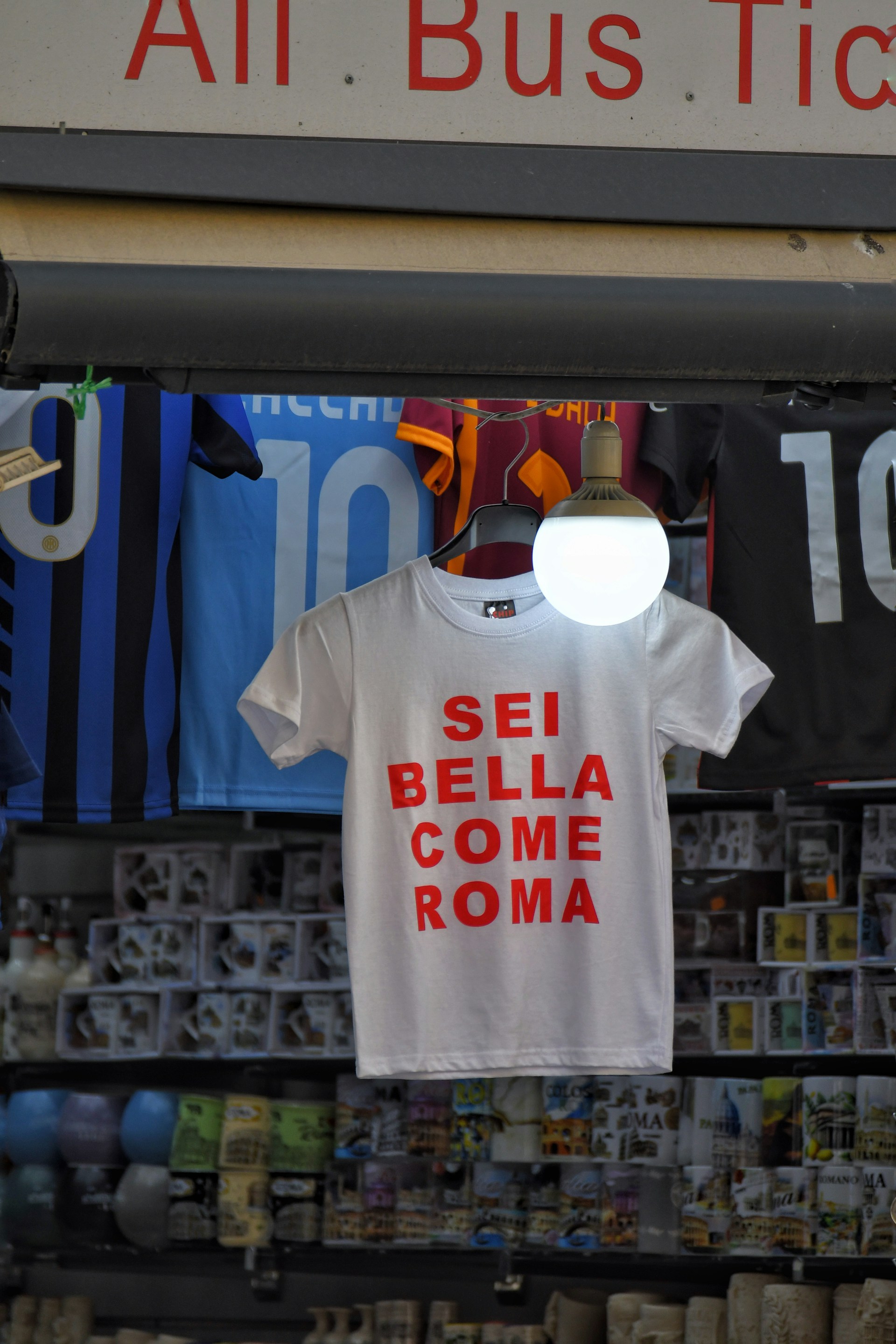
Rome, the Eternal City, is home to AS Roma and SS Lazio, whose rivalry lights up the iconic Stadio Olimpico. A blend of ancient history and passionate football culture, Rome offers fans the chance to experience world-class matches alongside exploring its breathtaking landmarks and vibrant streets. A must-visit for any football enthusiast.
Rome blends football fervour with its rich historical tapestry, making it a unique destination for fans and travellers alike. At the heart of its sporting culture is the intense rivalry between AS Roma and Lazio, played out in the Stadio Olimpico. This historic stadium, nestled in the Foro Italico sports complex, is a cauldron of passion on match days, with fans bringing an unmatched energy to their respective curva.
Beyond the pitch, Rome offers an unparalleled backdrop for visitors, from iconic landmarks like the Colosseum and Vatican City to its bustling piazzas and cobblestone streets. The city’s football culture is deeply rooted in community pride, with locals supporting their clubs as fiercely as they preserve their traditions.
Whether attending a game or exploring the city, Rome combines the thrill of Serie A with a vibrant lifestyle, offering visitors an unforgettable blend of sport, history, and culture.

AS Roma

All tickets are sold via the AS Roma website or their official partner site, Vivaticket, and it’s not advisable to use third-party ticket sites. It's highly unlikely you'll be able to get tickets when Roma play their city rivals Lazio in the Derby della Capitale, as demand for these matches often exceeds supply. However, the club also operates an official resale platform.
AS Roma tickets typically go on sale a few weeks before each match. For Serie A fixtures, tickets are generally available around 3-4 weeks before the game. Europa League or other high-profile matches may have different release schedules, with tickets sometimes available earlier for members and season ticket holders. Matches against major rivals or top teams can sell out quickly, so booking early is advised.
Prices also vary accordingly: for Serie A games, they typically start around €25-€50 for lower-tier seating and can go up to €80-€120 for mid-range seating. For significant games, like the Derby della Capitale or crucial European fixtures, prices can range from €60-€150 for lower tiers, and premium seats may exceed €200-€300. VIP and Hospitality packages are inevitably higher, often starting at €250 and increasing significantly based on included services.
TOP TIP
If you buy general sale tickets then you'll need to bring your ID to the game
THE PROCESS
Tickets for AS Roma matches can be purchased directly from the official AS Roma website: https://www.asroma.com. They require account registration to complete the purchase process. After registering, you can select the desired match, choose your seating category, and finalise the payment. Once purchased, tickets will be sent via email to the registered account.
Membership Advantage: AS Roma offers a membership program (MyASRoma) that gives priority access to tickets and potential discounts. This is particularly beneficial for high-demand games such as the Derby della Capitale or European fixtures. Membership details and sign-ups can be found on the AS Roma website.
Official Resale Platform: If a match is sold out, AS Roma’s official resale platform allows season ticket holders to resell their seats. This is a secure and legitimate alternative to buying tickets from third-party websites.
In-Person Purchase: Tickets can also be bought at authorised ticket outlets across Rome or directly at the AS Roma Ticket Office located at Stadio Olimpico. It’s recommended to check opening hours and availability in advance, especially for high-demand matches.

The Stadio Olimpico in Rome offers a range of seating options for fans attending AS Roma matches, each suited to different preferences and budgets. Here’s a detailed guide to help you choose where to sit for the best experience:
Curva Sud: The Curva Sud is the beating heart of AS Roma’s fanbase and home to the ultras, the club’s most passionate and vocal supporters. Expect constant chants, banners, and an electric atmosphere that’s unparalleled. However, it’s not the place for those seeking a calm or family-friendly environment. It’s perfect for hardcore Roma fans who want to immerse themselves in the vibrant matchday culture. And you are unlikely to get a ticket in this section through general sale.
Tribuna Tevere: Situated along the sideline, the Tribuna Tevere offers an excellent panoramic view of the pitch. This section balances comfort and atmosphere, with a lively crowd that’s not as intense as the Curva Sud. It’s an ideal choice for families, tourists, or fans who want to enjoy the game while still soaking up the energy of the stadium.
Monte Mario: Opposite the Tribuna Tevere, the Monte Mario stand is known for its comfort and premium experience. With great sightlines and a more relaxed atmosphere, it’s a favorite for those seeking a higher-end experience without venturing into hospitality packages. This section is also family-friendly and quieter, making it a great option for those bringing children.
Distinti Sud and Nord: These corner sections offer a good balance of affordability and decent views. While not as close to the pitch as other areas, they provide a lively atmosphere and are suitable for fans looking to enjoy the match without spending too much.
Curva Nord: Traditionally the home of Lazio fans during their matches, the Curva Nord is occupied by Roma supporters during their games. It’s less intense than the Curva Sud but still provides a spirited atmosphere. It’s a great option for fans who want some energy without the overwhelming fervour of the ultras.
Regardless of where you sit, booking early is essential for high-demand games, such as those against Juventus, Napoli, or Lazio.


The Stadio Olimpico in Rome offers visitors a chance to explore the iconic home of AS Roma and SS Lazio through guided stadium tours. While primarily known for its rich football heritage, the stadium has also hosted major international events, including the Olympics and World Cup matches, making it a must-visit for sports enthusiasts.
Tours typically include access to the stands, press areas, and changing rooms, giving fans a behind-the-scenes look at one of Italy’s most historic venues. Highlights of the tour often feature the players' tunnel, where you can experience the same route taken by football legends, and the pitch-side area, perfect for photos.
To book a tour, visit the official Stadio Olimpico website at https://stadio-olimpico.com/. Prices range from approximately €15-€25, with discounts for children, seniors, and groups. Advance booking is highly recommended, especially during peak tourist seasons or match days.
Around matchdays, AS Roma also offer tailored experiences at the stadium including access to the tunnel, and a privileged position from which to see the team arrive before a game. The club deal with the specifics, which can be selected at https://www.asroma.com/en/stadium/stadium-experience
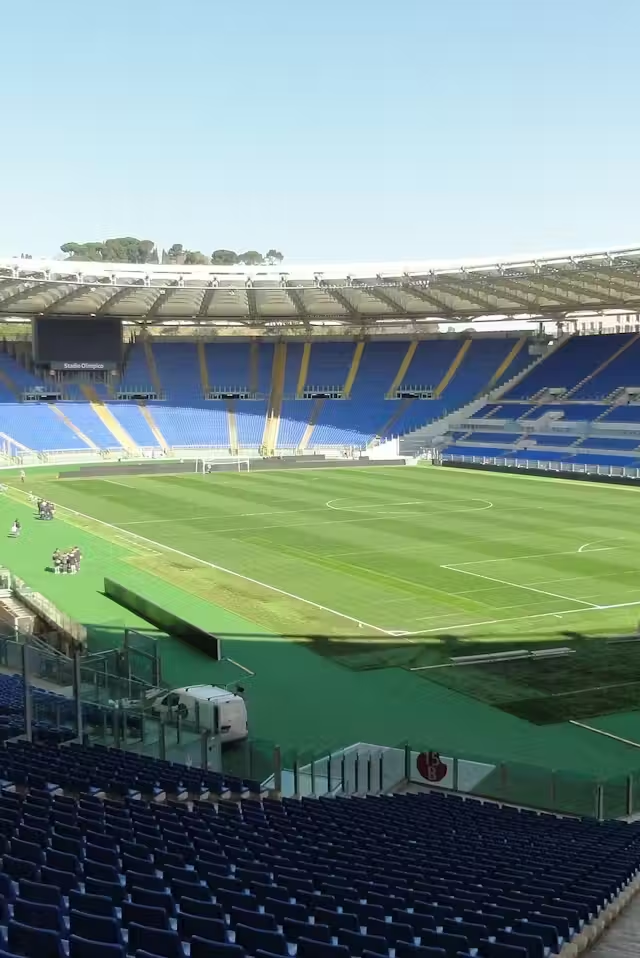

Address: Viale dei Gladiatori, 00135 Rome, Italy
The Stadio Olimpico is located within the Foro Italico Sports Complex in the northern part of Rome. Rome doesn't have the best public transport system, so give yourself plenty of time to get to the ground. Taking a taxi is quite a quick and reliable option, unlike other cities.
METRO
Take Line A (Red Line) to Flaminio Station, then transfer to tram line 2 towards Piazza Mancini. From there, it’s a 15-minute walk to the stadium.
BUS
Several buses serve the area:
Bus 32 from Ottaviano Metro Station (Line A) to Piazzale della Farnesina, a short walk to the stadium.
Bus 280 from Piramide Metro Station (Line B), stopping near the stadium.
Bus 69 directly to Piazza Mancini, followed by a walk.
TRAM
Tram line 2 stops at Piazza Mancini, close to the stadium.
TAXI
Taxis are widely available in Rome. A ride from central locations like Piazza Venezia or Termini Station takes about 20–30 minutes, depending on traffic.
BY CAR
If driving, parking is available around the stadium, though it can be limited on match days. It's recommended to arrive early or use park-and-ride facilities connected to public transport.


A short distance from the Stadio Olimpico, this hotel offers a fitness centre, and a stylish on-site restaurant, ideal for fans wanting easy access to match-day action.

On the banks of the Tiber River, with stunning views, lush gardens, and a serene atmosphere. A quick drive or scenic walk from the stadium and near many of Rome’s iconic landmarks.

Offering dorms and private rooms with a lively atmosphere and known for its events and rooftop bar. A popular choice for young travellers and budget-conscious fans.

A contemporary hotel in the popular Monti district boasting spacious rooms, a fitness centre, and proximity to the Colosseum and main train station.


RUSTIC TRADITION AND REFINED FLAVOURS
Rome’s culinary heritage is a testament to its rich history and culture. Known for its cucina povera roots, Roman cuisine celebrates simple, high-quality ingredients prepared with skill and care. Signature dishes reflect the city’s agricultural past and include hearty options like Cacio e Pepe—a creamy pasta dish with Pecorino Romano cheese and black pepper—and Carbonara, featuring eggs, guanciale, and Pecorino.
Pizza al taglio, a Roman staple, offers crispy slices with diverse toppings, perfect for a quick bite while exploring the city. Meat lovers can enjoy Saltimbocca alla Romana, tender veal wrapped in prosciutto and sage, or Abbacchio, a flavourful lamb dish often served during Easter.
Vegetable-based dishes like Carciofi alla Romana (artichokes braised with garlic and herbs) highlight the city's use of fresh, seasonal produce. Roman street food, such as supplì (fried rice balls filled with mozzarella), is also a must-try.
Desserts include Maritozzi, sweet cream-filled buns, and Tiramisu, a decadent coffee-soaked treat. Complement meals with local wines like Frascati or a shot of espresso. Rome’s culinary landscape offers a feast for the senses, blending traditional flavours with modern dining experiences.


Food stalls near Stadio Olimpico offer affordable, classic Italian street food like pizza al taglio, panini, and gelato, ideal for a bite while soaking in the matchday atmosphere.
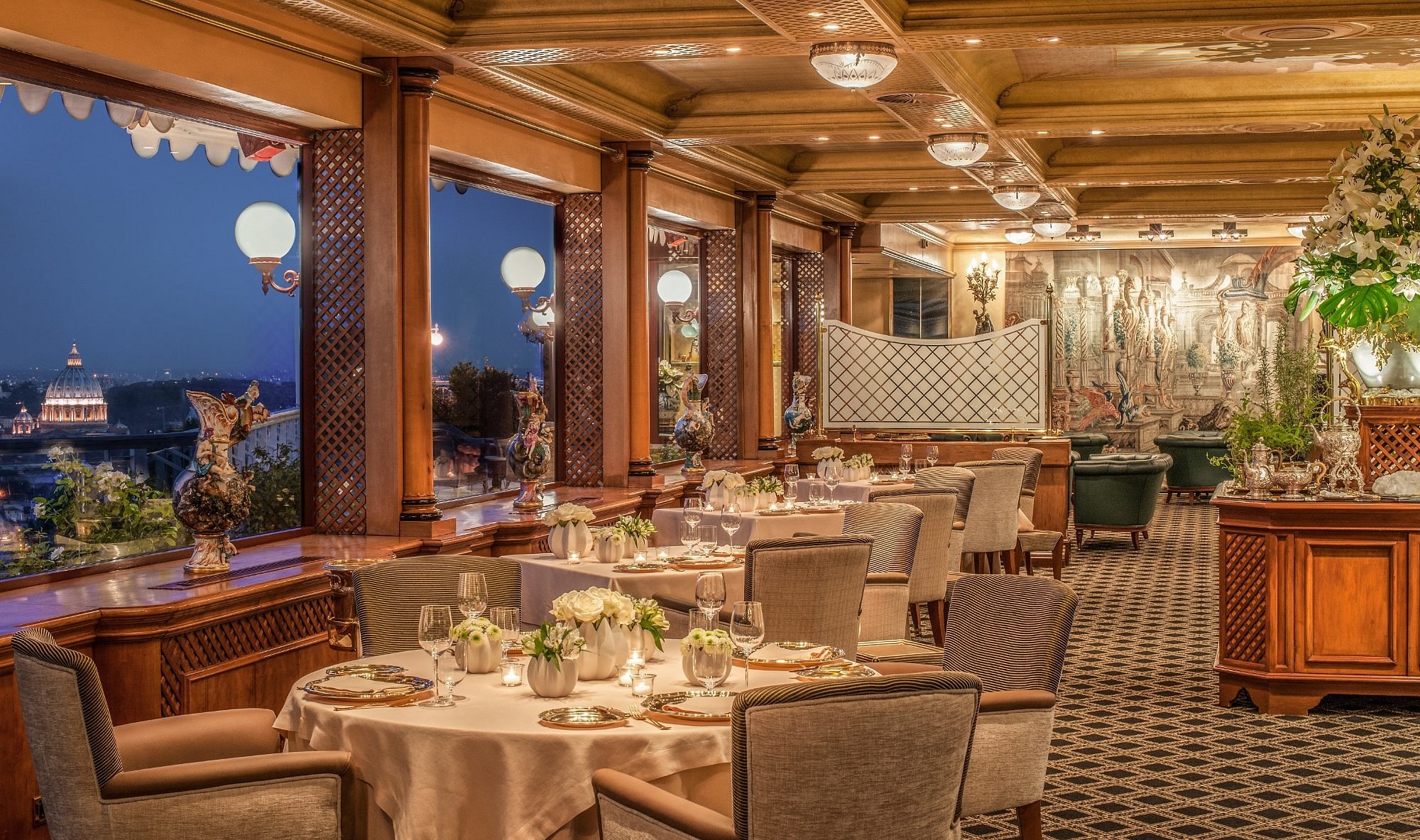
Located at the Cavalieri Hotel, this three-star Michelin restaurant offers exquisite Italian cuisine with breathtaking views of the city, perfect for a luxurious pre-game meal.
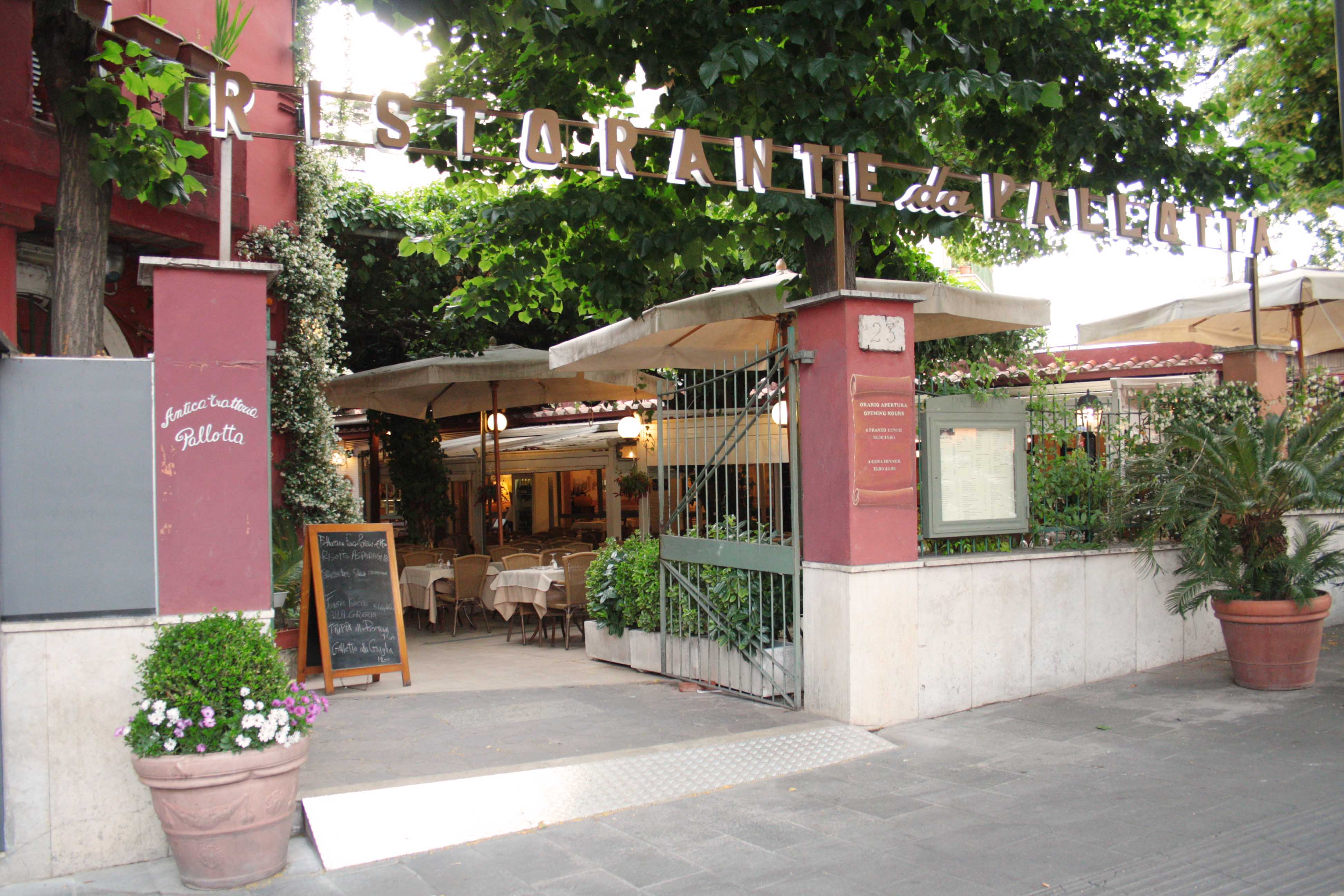
Just a short walk from Stadio Olimpico, this trattoria serves traditional Roman dishes like cacio e pepe and saltimbocca alla Romana in a warm and welcoming atmosphere.
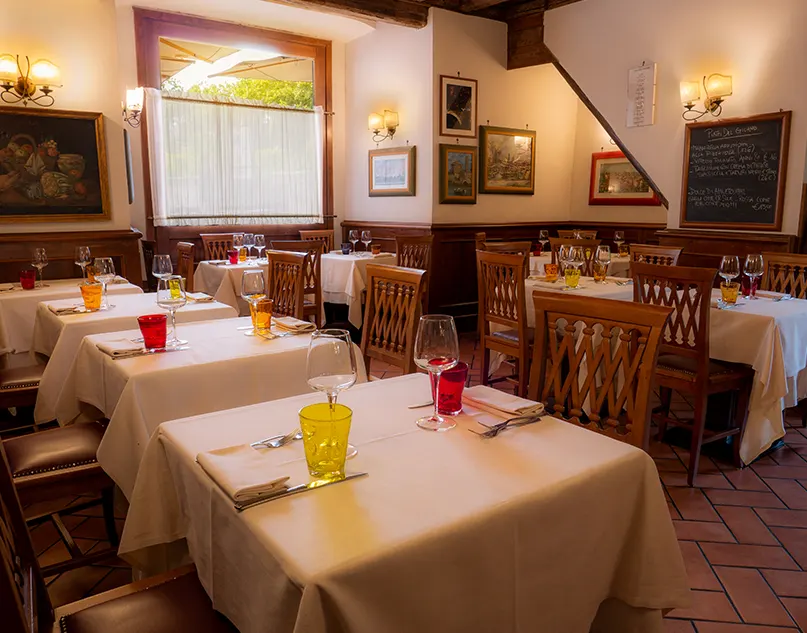
Located on Tiber Island, and famed for its rich history and authentic Roman dishes, Sora Lella is a great spot to indulge in Roman culinary heritage.

SOMETHING FOR EVERY PALATE
Rome’s drink culture is as rich and diverse as its culinary traditions. Central to Roman life is coffee, with espresso reigning supreme. Romans typically enjoy it standing at a bar, and milky options like cappuccino are reserved for mornings only.
For aperitivo, the quintessential pre-dinner ritual, locals gather to sip classic cocktails like Aperol Spritz, Negroni, or a simple Campari Soda, accompanied by light snacks. Aperitivo bars across the city buzz with life as people unwind and socialise.
Wine is integral to any meal, with Lazio’s vineyards producing notable options like Frascati (a crisp white) and Cesanese (a bold red). House wines at trattorias often offer excellent value.
For beer enthusiasts, Peroni and Moretti are staples, though craft breweries are gaining traction, offering artisanal ales and lagers. Football fans can enjoy these in lively pubs or beer gardens near the stadium.
Limoncello, a zesty lemon liqueur, or Amaro, a herbal digestif, often rounds off a meal. Meanwhile, bars in trendy neighbourhoods like Trastevere and Monti serve inventive cocktails in vibrant settings. Whether you’re savouring a glass of local wine or a classic espresso, Rome’s drink scene is the perfect companion to its culinary delights.


Ponte Milvio is the area fans congragate to drink before matches and Roma Beer Company is perfect for pre-match drinks and meeting fellow supporters.

A short ride from the stadium in Trastevere, this iconic bar is known for its no-frills vibe and cheap drinks. Great for soaking up the Roman spirit.

A Scottish pub catering to football fans, with big screens showing matches from the Premier League and even NFL during winter months.

An Irish pub in the popular neighbourhood on Monti, the interior is adorned with football scarves, has screens for watching football, and a table football table out the back.

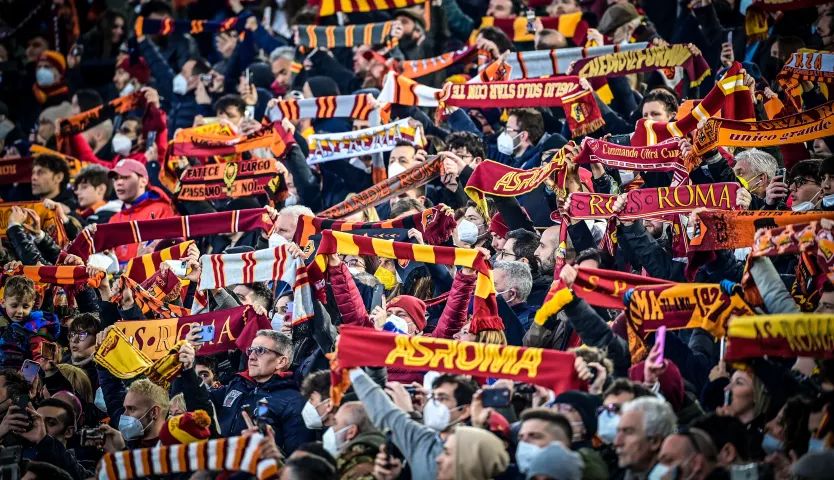
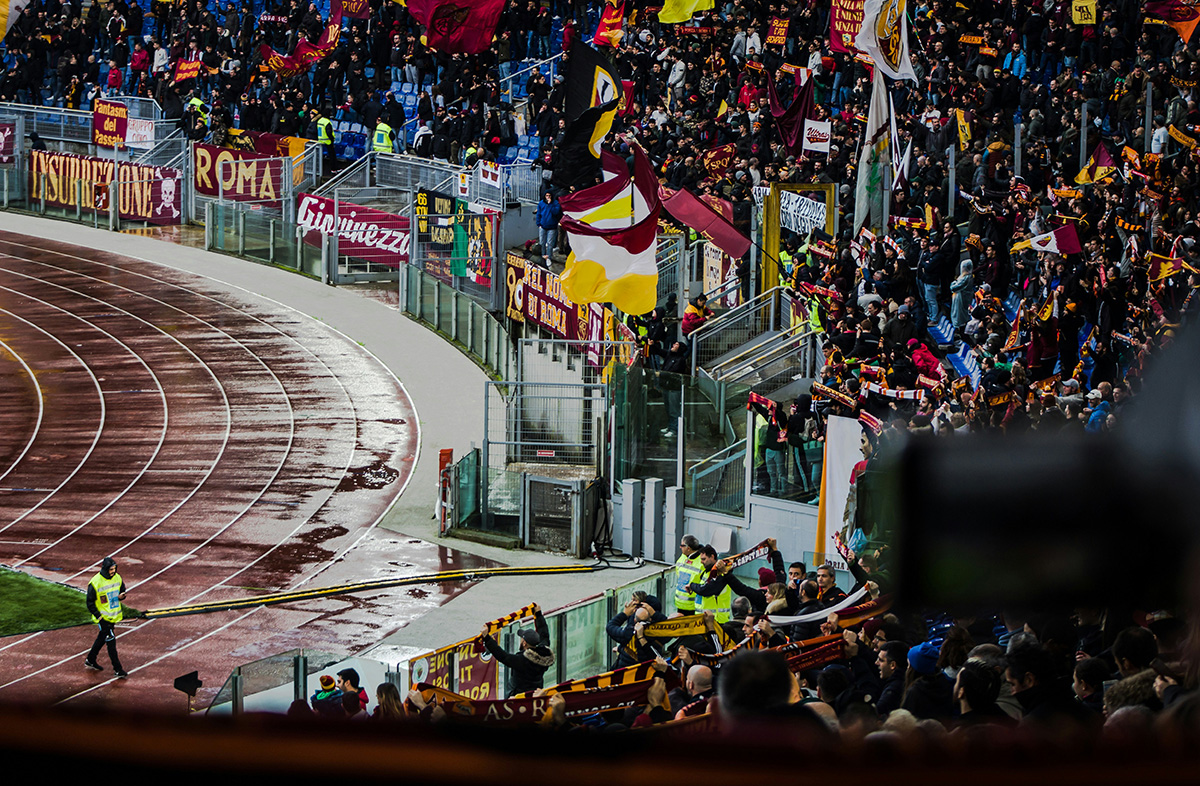
AS Roma’s fans are among the most passionate in Italy, with their support creating an electric atmosphere at the Stadio Olimpico. The Curva Sud, the southern stand, is the heart of Roma's fanbase, home to the ultras who lead the chanting, wave enormous flags, and organise choreographed tifos that light up the stadium in yellow and red.
The club's ultras are made up of several groups, each with its own history and character. Notable factions include:
the Commando Ultrà Curva Sud (CUCS), which set the standard for organised support,
the creative Fedayn
the spirited Boys Roma.
Together, they bring a unique intensity to match days, embodying the motto: “La Roma non si discute, si ama” ("Roma is not to be questioned, only loved").


"Roma, Roma, Roma"
(also known as the club's anthem)
Roma, Roma, Roma,
Core de 'sta città,
Unico grande amore,
De tanta e tanta gente,
Che fai sospirà...
Roma, Roma, Roma,
Lassace cantà,
Da 'sta voce nasce un core,
So centomila voci che hai fatto 'nnamorà...
Translation:
Rome, Rome, Rome,
Heart of this city,
The only great love,
Of so many, so many people,
That you make sigh...
Rome, Rome, Rome,
Let us sing,
From this voice, a heart is born,
There are a hundred thousand voices that you’ve made fall in love...
This chant, written by singer Antonello Venditti, is sung with heartfelt passion before matches, uniting fans in their love for the club. It’s a testament to Roma’s deep connection to its supporters and the city.


Romans enjoy a slower pace, cherishing long meals with family, café culture, and evening strolls through piazzas. The city's rich heritage surrounds daily life, from bustling markets like Campo de' Fiori to quiet corners near the Pantheon.
Public transport can be chaotic, but walking reveals hidden gems. Locals celebrate traditions, football, and festivals with equal passion. Despite challenges like traffic and tourism crowds, Romans embrace la dolce vita, balancing work, socialising, and enjoying their city’s timeless charm.
CURRENCY: EUROS


With breathtaking views of Vatican City and Rome’s sprawling landscape, the climb is well worth it both for the vistas and the basilica’s intricate design.

A must-visit landmark, the vast arena offers a glimpse into the grandeur of ancient Roman engineering.

A masterpiece of ancient engineering, the Pantheon is famous for its massive dome and oculus.

The Trevi Fountain dazzles with its intricate sculptures and flowing water - tradition holds that tossing a coin into the fountain ensures a return to Rome.

This mural in the Testaccio neighborhood honours AS Roma’s most iconic player. Saturdays see a car boot sale with retro shirts on sale on Via Sannio, near San Giovanni metro stop.

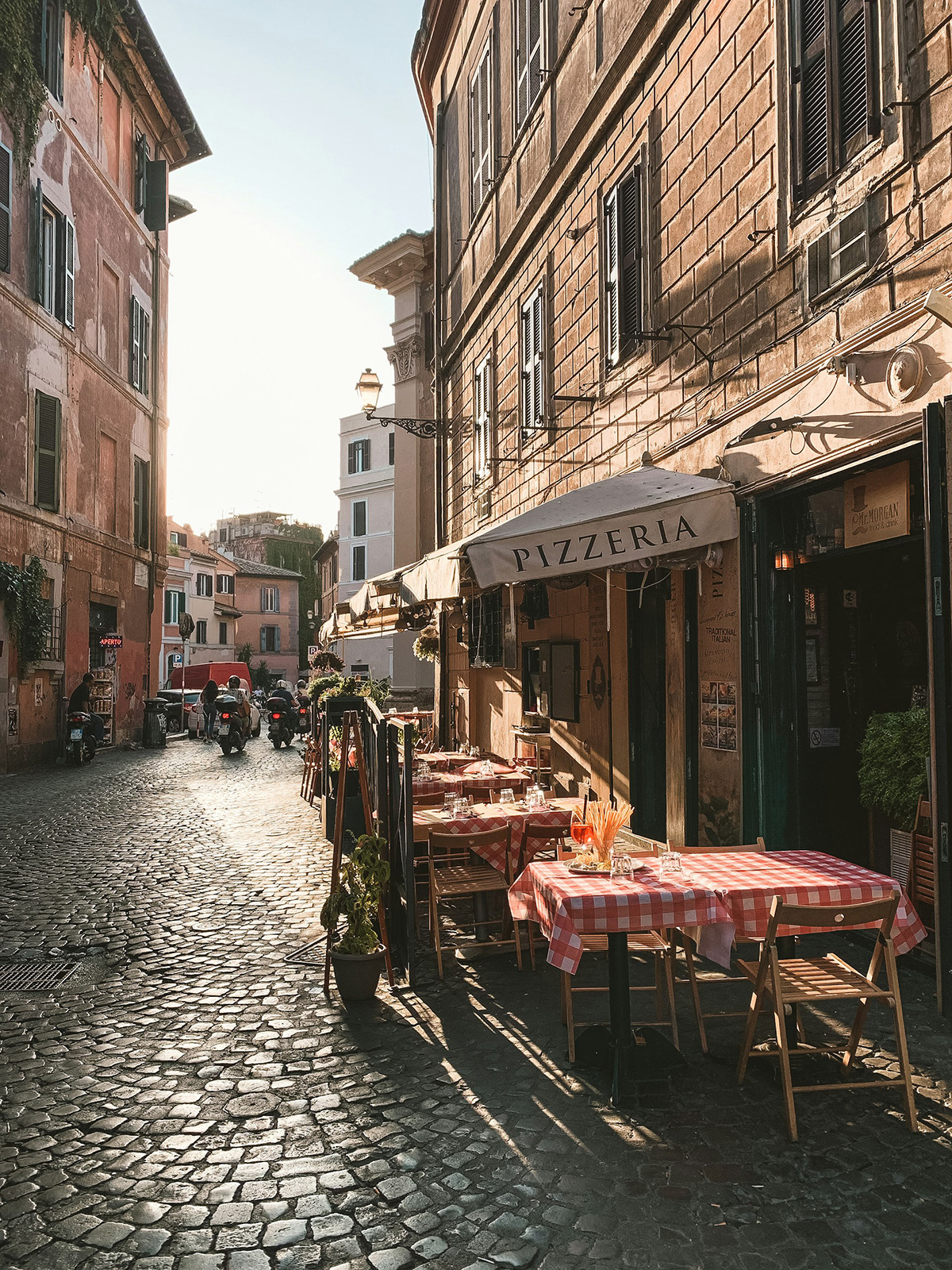
Tickets, tours and souvenirs
Dove posso comprare i biglietti per la partita? - Where can I buy tickets for the match?
Quanto costa un biglietto? - How much is a ticket?
A che ora inizia la partita? - What time does the match start?
Qual è il miglior modo per arrivare allo Stadio Olimpico? - What’s the best way to get to Stadio Olimpico?
Ci sono negozi di souvenir dello stadio?- Are there souvenir shops at the stadium?
C’è un tour dello stadio disponibile? - Is there a stadium tour available?
Quanto tempo dura il tour dello stadio? - How long does the stadium tour last?
C’è una stazione della metro vicino allo stadio? - Is there a metro station near the stadium?
Vendete sciarpe della squadra? - Do you sell team scarves?
Posso comprare una maglietta della Roma qui? - Can I buy a Roma shirt here?
C’è una partita importante durante il mio soggiorno? - Is there an important match during my stay?
Match days
Dov'è l'entrata principale? - Where is the main entrance?
Posso portare uno zaino nello stadio? - Can I bring a backpack into the stadium?
Qual è il settore per i tifosi della Roma? - Which is the section for Roma fans?
Dov'è la Curva Sud? - Where is the Curva Sud?
Posso scattare foto dentro lo stadio? - Can I take photos inside the stadium?
Dov'è il bar più vicino per vedere la partita? - Where’s the nearest bar to watch the game?
Forza Roma! - Go Roma!
Chi sta giocando oggi? - Who is playing today?
È consentito portare bandiere allo stadio? - Are flags allowed in the stadium?
Dov’è il bagno più vicino? - Where is the nearest bathroom?
Come posso tornare in centro dopo la partita? - How can I get back to the city centre after the match?
Qual è il risultato? - What’s the score?
È sicuro stare vicino ai tifosi avversari? - Is it safe to be near the opposing fans?
Dove posso trovare qualcosa da mangiare vicino allo stadio? - Where can I find something to eat near the stadium?

SS Lazio
Tickets for SS Lazio matches are sold via the official website and they use a third party company Vivaticket as their official ticket supplier. It’s highly recommended to avoid third-party ticket sites to ensure authenticity. The Derby della Capitale against AS Roma is a high-demand match, so tickets often sell out quickly.
Tickets typically go on sale 3-4 weeks before a Serie A match. For European or high-profile fixtures, tickets may be available earlier, especially for members and season ticket holders. Prices range from €20-€50 for standard seating in Serie A matches, rising to €70-€150 for premium seats. Derby and high-profile matches can exceed €200 for premium areas, while VIP packages start at €300.
TOP TIP
If you buy general sale tickets then you'll need to bring your ID to the game.
THE PROCESS
Online: Tickets are best purchased through Lazio's official website or Vivaticket. You’ll need to register and create an account to purchase tickets online. Tickets go on sale about one month in advance. Because the Stadio Olimpico holds 70,000 people tickets are relatively easy to come by for most games.
In-person: Tickets can be bought at the official Lazio store or authorised ticket offices throughout Rome.
Membership: Lazio offers memberships that provide priority access and discounts for tickets.
Official resale: If tickets are sold out, Lazio operates a ticket resale platform where season ticket holders can list their tickets.
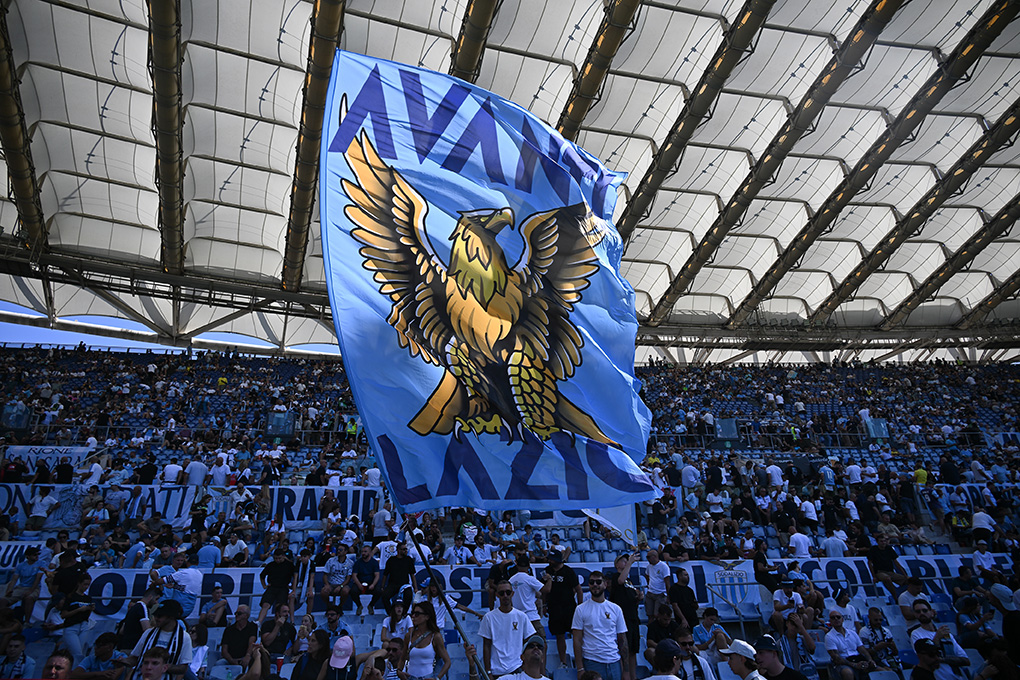
Curva Nord: This section is where Lazio's ultras sit. Expect a vibrant, passionate atmosphere but not ideal for families or neutral fans.
Distinti Nord: Located next to Curva Nord, offering a lively atmosphere but a slightly more relaxed experience.
Tribuna Tevere: Situated along the side of the pitch, this stand provides excellent views and a more family-friendly environment.
Monte Mario Stand: The most premium seats, offering the best views and more comfort, especially suited for VIP ticket holders.


The Stadio Olimpico in Rome offers visitors a chance to explore Lazio's iconic home through guided stadium tours. While primarily known for its rich football heritage, the stadium has also hosted major international events, including the Olympics and World Cup matches, making it a must-visit for sports enthusiasts.
Tours typically include access to the stands, press areas, and changing rooms, giving fans a behind-the-scenes look at one of Italy’s most historic venues. Highlights of the tour often feature the players' tunnel, where you can experience the same route taken by football legends, and the pitch-side area, perfect for photos.
To book a tour, visit the official Stadio Olimpico website at https://stadio-olimpico.com/. Prices range from approximately €15-€25, with discounts for children, seniors, and groups. Advance booking is highly recommended, especially during peak tourist seasons or match days.


Address: Viale dei Gladiatori, 00135 Rome, Italy
The Stadio Olimpico is located within the Foro Italico Sports Complex in the northern part of Rome. Rome doesn't have the best public transport system, so give yourself plenty of time to get to the ground. Taking a taxi is quite a quick and reliable option, unlike other cities.
METRO
Take Line A (Red Line) to Flaminio Station, then transfer to tram line 2 towards Piazza Mancini. From there, it’s a 15-minute walk to the stadium.
BUS
Several buses serve the area:
Bus 32 from Ottaviano Metro Station (Line A) to Piazzale della Farnesina, a short walk to the stadium.
Bus 280 from Piramide Metro Station (Line B), stopping near the stadium.
Bus 69 directly to Piazza Mancini, followed by a walk.
TRAM
Tram line 2 stops at Piazza Mancini, close to the stadium.
TAXI
Taxis are widely available in Rome. A ride from central locations like Piazza Venezia or Termini Station takes about 20–30 minutes, depending on traffic.
BY CAR
If driving, parking is available around the stadium, though it can be limited on match days. It's recommended to arrive early or use park-and-ride facilities connected to public transport.
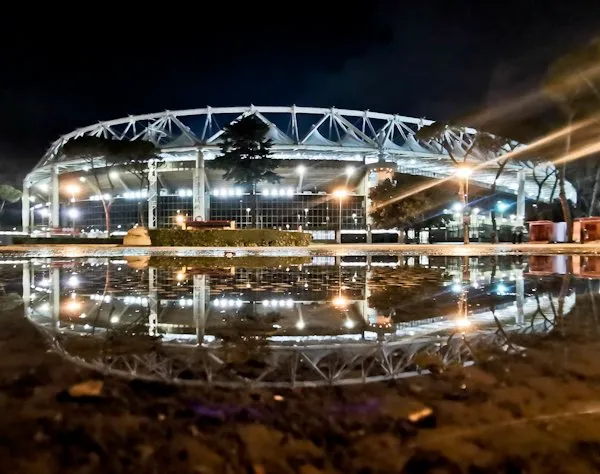


A short distance from the Stadio Olimpico, this hotel offers a fitness centre, and a stylish on-site restaurant, ideal for fans wanting easy access to match-day action.

On the banks of the Tiber River, with stunning views, lush gardens, and a serene atmosphere. A quick drive or scenic walk from the stadium and near many of Rome’s iconic landmarks.

Offering dorms and private rooms with a lively atmosphere and known for its events and rooftop bar. A popular choice for young travellers and budget-conscious fans.

A contemporary hotel in the popular Monti district boasting spacious rooms, a fitness centre, and proximity to the Colosseum and main train station.

RUSTIC TRADITION AND REFINED FLAVOURS
Rome’s culinary heritage is a testament to its rich history and culture. Known for its cucina povera roots, Roman cuisine celebrates simple, high-quality ingredients prepared with skill and care. Signature dishes reflect the city’s agricultural past and include hearty options like Cacio e Pepe—a creamy pasta dish with Pecorino Romano cheese and black pepper—and Carbonara, featuring eggs, guanciale, and Pecorino.
Pizza al taglio, a Roman staple, offers crispy slices with diverse toppings, perfect for a quick bite while exploring the city. Meat lovers can enjoy Saltimbocca alla Romana, tender veal wrapped in prosciutto and sage, or Abbacchio, a flavourful lamb dish often served during Easter.
Vegetable-based dishes like Carciofi alla Romana (artichokes braised with garlic and herbs) highlight the city's use of fresh, seasonal produce. Roman street food, such as supplì (fried rice balls filled with mozzarella), is also a must-try.
Desserts include Maritozzi, sweet cream-filled buns, and Tiramisu, a decadent coffee-soaked treat. Complement meals with local wines like Frascati or a shot of espresso. Rome’s culinary landscape offers a feast for the senses, blending traditional flavours with modern dining experiences.


A local eatery offering hearty Roman sandwiches, burgers, snacks and a lively atmosphere before games.

Located at the Cavalieri Hotel, this three-star Michelin restaurant offers exquisite Italian cuisine with breathtaking views of the city, perfect for a luxurious pre-game meal.

In trendy Travestere, this spot is perfect for a quick and delicious meal at affordable prices. Spaghetti carbonara is the local dish to Rome, and it's highly recommended here.

Owned by a Laziale and covered in Biancocelesti items, it is located in the North of the city, about a 15 minute taxi from the Stadio Olimpico.
SOMETHING FOR EVERY PALATE
Rome’s drink culture is as rich and diverse as its culinary traditions. Central to Roman life is coffee, with espresso reigning supreme. Romans typically enjoy it standing at a bar, and milky options like cappuccino are reserved for mornings only.
For aperitivo, the quintessential pre-dinner ritual, locals gather to sip classic cocktails like Aperol Spritz, Negroni, or a simple Campari Soda, accompanied by light snacks. Aperitivo bars across the city buzz with life as people unwind and socialise.
Wine is integral to any meal, with Lazio’s vineyards producing notable options like Frascati (a crisp white) and Cesanese (a bold red). House wines at trattorias often offer excellent value.
For beer enthusiasts, Peroni and Moretti are staples, though craft breweries are gaining traction, offering artisanal ales and lagers. Football fans can enjoy these in lively pubs or beer gardens near the stadium.
Limoncello, a zesty lemon liqueur, or Amaro, a herbal digestif, often rounds off a meal. Meanwhile, bars in trendy neighbourhoods like Trastevere and Monti serve inventive cocktails in vibrant settings. Whether you’re savouring a glass of local wine or a classic espresso, Rome’s drink scene is the perfect companion to its culinary delights.
Ponte Milvio is the area fans congragate to drink before matches and Roma Beer Company is perfect for pre-match drinks and meeting fellow supporters.
A short ride from the stadium in Trastevere, this iconic bar is known for its no-frills vibe and cheap drinks. Great for soaking up the Roman spirit.
A Scottish pub catering to football fans, with big screens showing matches from the Premier League and even NFL during winter months.
An Irish pub in the popular neighbourhood on Monti, the interior is adorned with football scarves, has screens for watching football, and a table football table out the back.
Lazio's supporters are deeply passionate, with their ultras group, Irriducibili, playing a significant role in the Curva Nord. Known for their elaborate choreographies and chants, the fans create an electric atmosphere at the Stadio Olimpico.
However, Lazio's ultras have faced controversies in the past, so it’s best to avoid the Curva Nord if you’re a neutral fan.


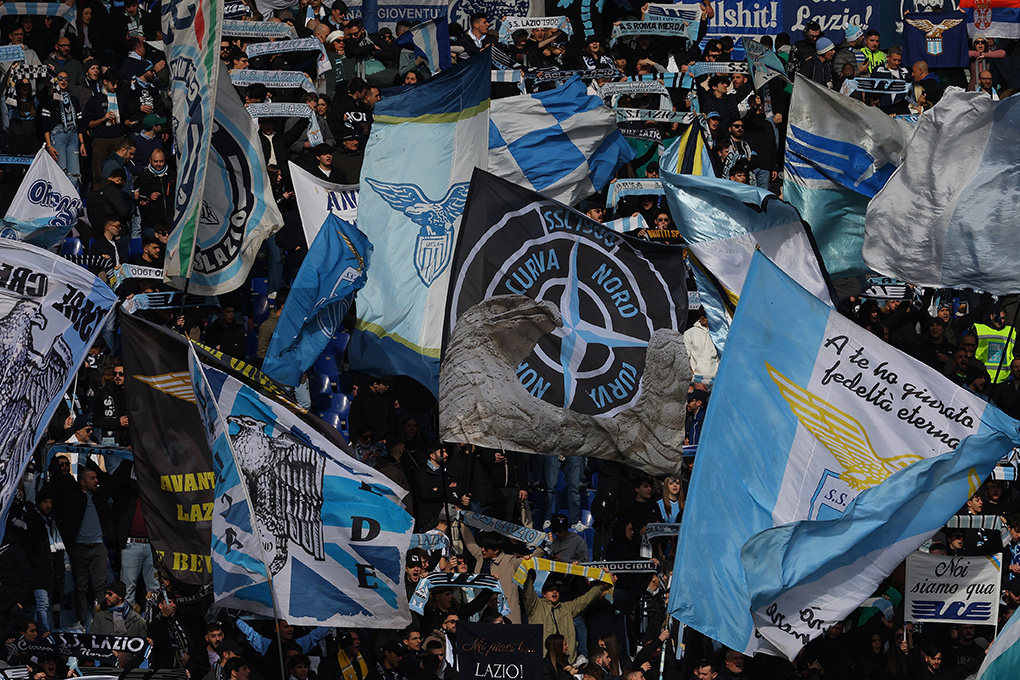
One of Lazio's iconic chants is "Non Mollare Mai" ("Never Give Up"), which captures the resilience and passion of the fans. It’s often sung during crucial moments to inspire the team, and is easy enough to pick up:
Forza Lazio alè,
Forza Lazio alè,
Forza Lazio alè,
Forza Lazio alè,
Non mollare mai,
Non mollare mai,
Non mollare mai,
Non mollare mai ...
Romans enjoy a slower pace, cherishing long meals with family, café culture, and evening strolls through piazzas. The city's rich heritage surrounds daily life, from bustling markets like Campo de' Fiori to quiet corners near the Pantheon.
Public transport can be chaotic, but walking reveals hidden gems. Locals celebrate traditions, football, and festivals with equal passion. Despite challenges like traffic and tourism crowds, Romans embrace la dolce vita, balancing work, socialising, and enjoying their city’s timeless charm.
CURRENCY: EUROS
With breathtaking views of Vatican City and Rome’s sprawling landscape, the climb is well worth it both for the vistas and the basilica’s intricate design.
A must-visit landmark, the vast arena offers a glimpse into the grandeur of ancient Roman engineering.
A masterpiece of ancient engineering, the Pantheon is famous for its massive dome and oculus.
The Trevi Fountain dazzles with its intricate sculptures and flowing water - tradition holds that tossing a coin into the fountain ensures a return to Rome.
This mural in the Testaccio neighborhood honours AS Roma’s most iconic player. Saturdays see a car boot sale with retro shirts on sale on Via Sannio, near San Giovanni metro stop.

Tickets, tours and souvenirs
Dove posso comprare i biglietti per la partita? - Where can I buy tickets for the match?
Quanto costa un biglietto? - How much is a ticket?
A che ora inizia la partita? - What time does the match start?
Qual è il miglior modo per arrivare allo Stadio Olimpico? - What’s the best way to get to Stadio Olimpico?
Ci sono negozi di souvenir dello stadio?- Are there souvenir shops at the stadium?
C’è un tour dello stadio disponibile? - Is there a stadium tour available?
Quanto tempo dura il tour dello stadio? - How long does the stadium tour last?
C’è una stazione della metro vicino allo stadio? - Is there a metro station near the stadium?
Vendete sciarpe della squadra? - Do you sell team scarves?
Posso comprare una maglietta della Lazio qui? - Can I buy a Lazio shirt here?
C’è una partita importante durante il mio soggiorno? - Is there an important match during my stay?
Match days
Dov'è l'entrata principale? - Where is the main entrance?
Posso portare uno zaino nello stadio? - Can I bring a backpack into the stadium?
Qual è il settore per i tifosi della Lazio? - Which is the section for Lazio fans?
Dov'è la Curva Sud? - Where is the Curva Sud?
Posso scattare foto dentro lo stadio? - Can I take photos inside the stadium?
Dov'è il bar più vicino per vedere la partita? - Where’s the nearest bar to watch the game?
Forza Lazio! - Go Lazio!
Chi sta giocando oggi? - Who is playing today?
È consentito portare bandiere allo stadio? - Are flags allowed in the stadium?
Dov’è il bagno più vicino? - Where is the nearest bathroom?
Come posso tornare in centro dopo la partita? - How can I get back to the city centre after the match?
Qual è il risultato? - What’s the score?
È sicuro stare vicino ai tifosi avversari? - Is it safe to be near the opposing fans?
Dove posso trovare qualcosa da mangiare vicino allo stadio? - Where can I find something to eat near the stadium?