ABOUT
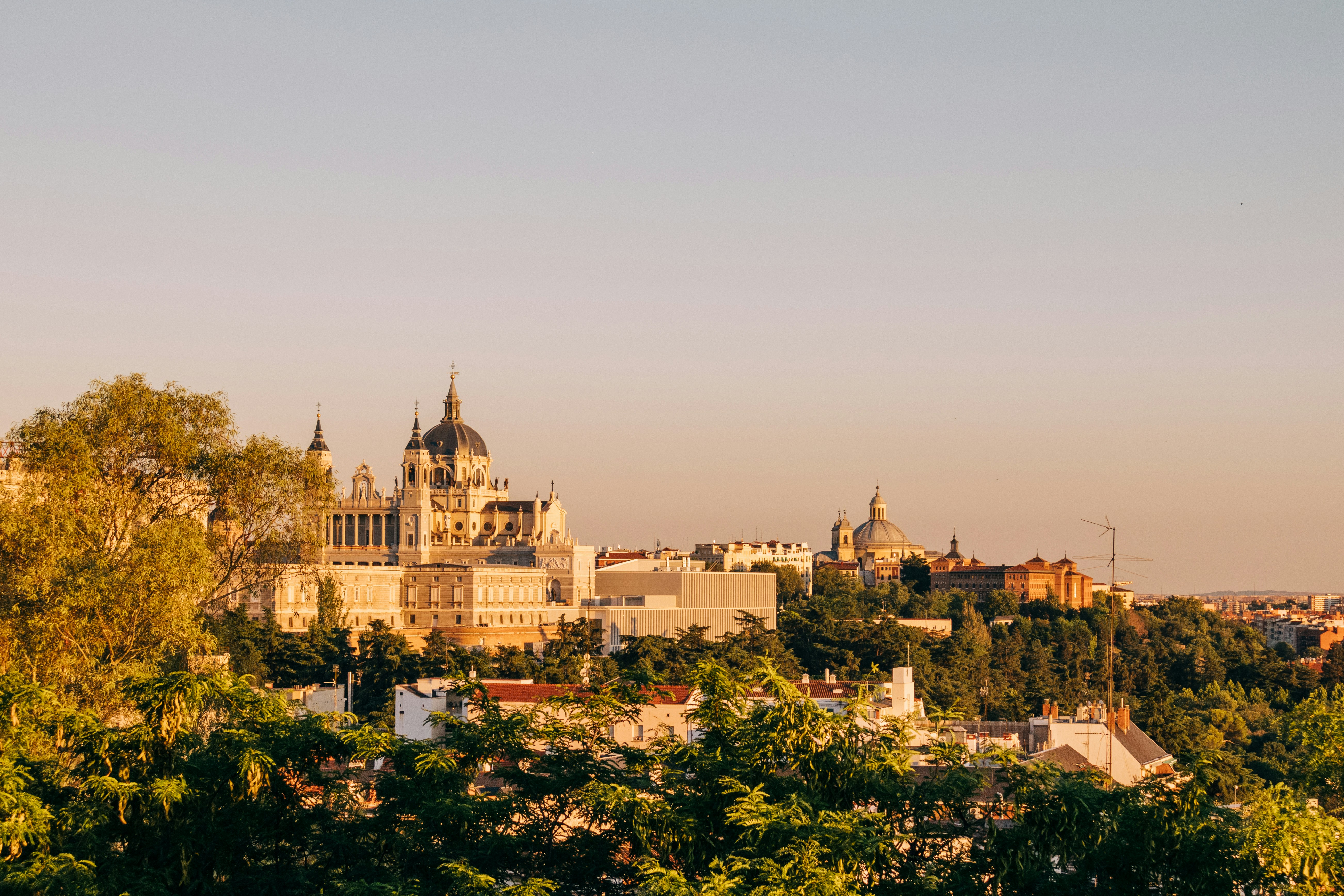
Famed for elegant boulevards, incredible art and amazing history, the Spanish capital is also home to the undisputed kings of Europe, Real Madrid, as well as La Liga rivals Atlético Madrid. Madrid offers an unrivalled experience for a short football-watching trip.
Madrid is the second largest city in the European Union — narrowly behind Berlin — and offers something for everyone. The metropolis offers an inexhaustible selection of culture, food, entertainment and, of course, football.
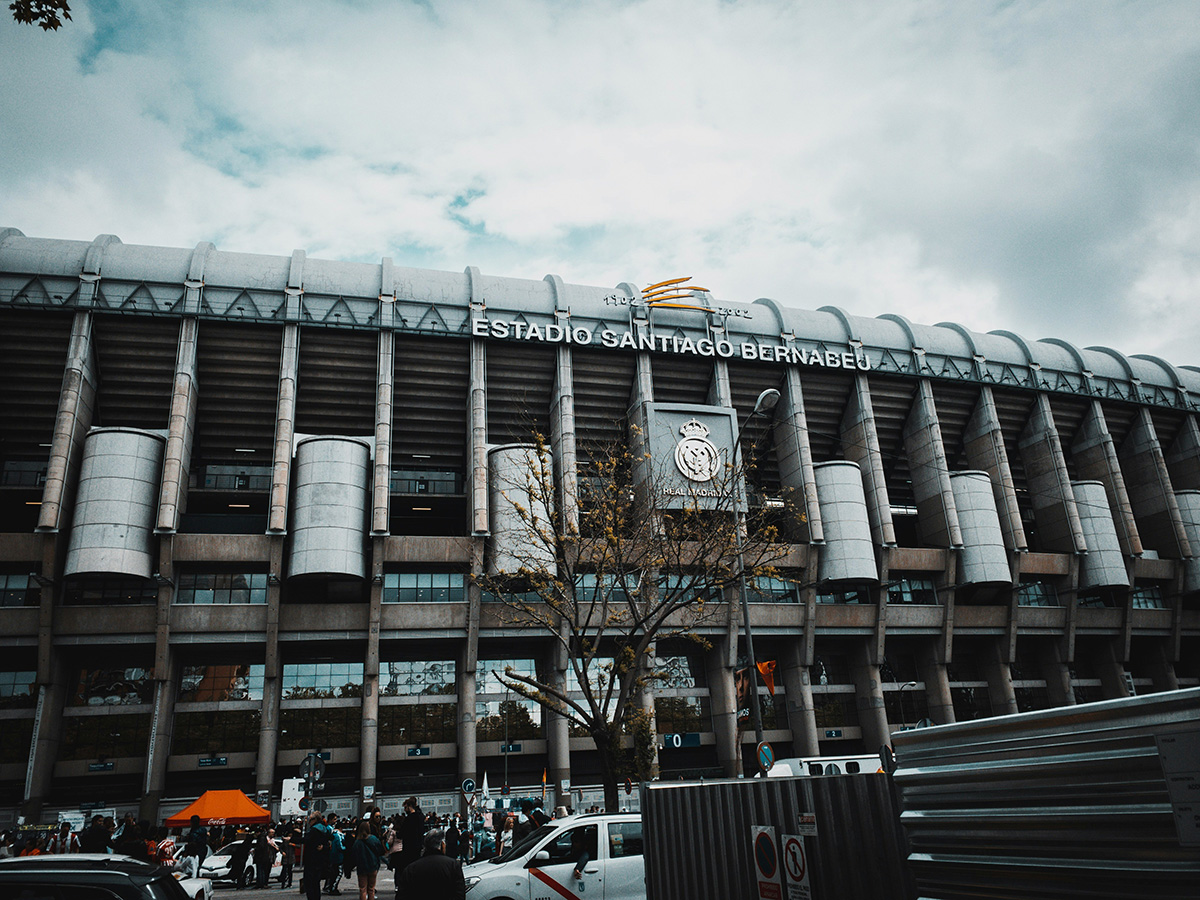
Real Madrid won the inaugural European Cup in 1956 and have won it a further 14 times, underlining why they are widely considered the biggest club in the world. They’ve assembled a new generation of galacticos, such as Kylian Mbappe, Jude Bellingham and Vinicius Jr, who play in the spectacular surrounds of a newly refurbished Santiago Bernabéu stadium, costing a cool £1.5bn.
The stadium renovation sees the capacity of the stadium increased from 81,000 to around 85,000, according to AS, and it features the latest technological innovations, such as a retractable pitch and roof.
Across town is a club built in the image of its long-serving manager Diego Simeone. Atlético Madrid sit fourth in terms of honours won behind Barcelona, Real Madrid and Athletic Bilbao. The 70,000+ capacity Riyadh Air Metropolitano offers a thrilling match-day experience to rival its more illustrious neighbours.

Atlético Madrid

Atlético Madrid have the third biggest ground by capacity in Spain behind Barcelona and Real Madrid, with the Estadio Metropolitano accommodating 70,460 fans.
Tickets are readily available directly from the club, but it can be tricky to plan too far ahead when it comes to La Liga fixtures — they usually only confirm fixtures days and times a month in advance. Most games in Spain are played on Sundays, with one match on a Friday, a few on Saturday and the occasional Monday fixture.
That said, tickets do go on sale weeks before Atlético’s cross-town neighbours Real. If you're buying online, it’s a good idea to become a member first although tickets can be purchased on general sale. If you don't want to create an account you can always buy tickets from the ticket office at the stadium, at Avenida de Luis Aragonés 4. Availability is generally very good, unless neighbours Real Madrid or the other Spanish giants Barcelona are the opposition.
TOP TIP: For club members, the prices will be the same both on the website and at the ticket office.
THE PROCESS
Tickets go on sale around a month before the fixture as a general rule. Please be aware that some matches go on sale without a confirmed date and time.
Head to ‘Tickets’ page on the official Atlético Madrid website (https://en.atleticodemadrid.com/atm/tickets-5) to see the club’s fixtures with confirmed dates and times.
Click on the options you want, for instance, ‘Men’s First Team’ and then ‘General Admission’, then ‘Buy Tickets’.
You will be able to choose the section of the stadium where you want to sit, whether you’re a member or not. Tickets start at €25 in the Fondo Sur and prices differ depending on the opposition.
The virtual stadium tool is very intuitive and you can zoom in on the actual seat you purchase.
Once you’re happy, you’ll be asked to fill out some personal details and pay for your tickets which are then sent to your email and can be printed to be shown on the day.
Upon entry to the stadium, you may need your ID to make sure no one else uses your tickets.


Atlético Madrid’s ultras sit in the Grada de Animacion (bottom section) of the Fondo Sur (south stand) in sector 120–122. Tickets in Grada Baja Fondo Sur can only be purchased by members and this section is where much of the matchday noise emanates from.
Tribuna Este (East Stand) runs along the side of the pitch, offering a great central perspective for fans, whereas opposite the Tribuna Oeste (West Stand) you can sit behind the dugout and you’ll be immersed in the atmosphere.
If you're looking for the best view of the action with premium services (food, drinks, access to lounges), the VIP seats are the place to be. You’re close to the pitch and can see the play unfold up close.
Sitting higher up in the Gods is a decent budget option while the Family Zone (Zona Familiar) is located in the North Stand (Tribuna Norte) — specifically, in sections 103 and 104. This section offers a more relaxed atmosphere compared to other parts of the stadium.


There are a huge amount of activities available at the Metropolitano from guided tours to meeting legends (free for members) to team photo experiences. A full list of experiences available on the club’s official site: https://en.atleticodemadrid.com/atm/tour_museum
Match day tours are available at the Metropolitano Stadium costing €60. During this guided tour, you will have privileged access to the stadium just a few hours before the players arrive. You will witness the preparations taking place beforehand and feel the excitement that fills every corner of the stadium.
Premium tours, meanwhile, include a guided tour of the stadium in a small group behind closed doors, an official souvenir, a tour of the museum and breakfast in Griezmann's box.For club members, discounts are personal and non-transferable. Remember to bring your ID (or family book for minors without an ID).
Non-members should provide proof of children’s age to benefit from the corresponding discount. Club members will have a 50% discount on the general public rates.
Atlético offer an immersive experience in their interactive museum involving touchscreens, large projectors, interactive phone booths, virtual reality and interactive games. Included in the ticket is a visit to the interactive museum and temporal exhibition, which you can see at your own pace. You can sit in an original seat from the old Vicente Calderón stadium and see the last match at the old ground through virtual reality glasses.
Tickets for over 13s are usually €16 but can be purchased for €14 via the online promo. For those aged between 4 and 13, tickets are €10 and admission is free for under 4s. The maximum number of tickets for the stadium tour you can buy is six.
https://entradas.atleticodemadrid.com/clubatleticodemadridchampions/en_US/entradas/evento/37983


Address: Av. de Luis Aragonés, 4, 28022 Madrid, Spain
METRO
Estadio Metropolitano Station (Line 7): located right next to the stadium — exit the station and you’re at the stadium entrance within 1 minute on foot.
From central Madrid (e.g. Sol, Callao, Gran Vía): take Line 7 by transferring at stations like Pueblo Nuevo, Avenida América, or Gregorio Marañón. Journey time is around 35–40 minutes.
BUS
Interurban EMT Lines: 28, 38, 48, 140, 153, E2 and night buses N5/N6 stop near the stadium (at the Av. Arcentales stop, 350m away)
Special match-day shuttle: EMT operates a circular shuttle from Canillejas interchange (Line 5, bus lines 77, 101, 140, 151, 200) to Plaza de Grecia in front of the stadium. Runs from 2 hours before kickoff until 1.5 hours after, with buses every 5 minutes.
TRAIN
The 'Central Coslada' Cercanías train station (lines C-2 and C-7) is the closest to the Metro-politano. From it, there is a direct connection with line 7 of the metro, which connects to the facilities in just two stops.


Less than half an hour walk from the Metropolitano Stadium, offering spacious rooms, an outdoor terrace and free WiFi. Breakfast is included, alongside à la carte and daily menus.
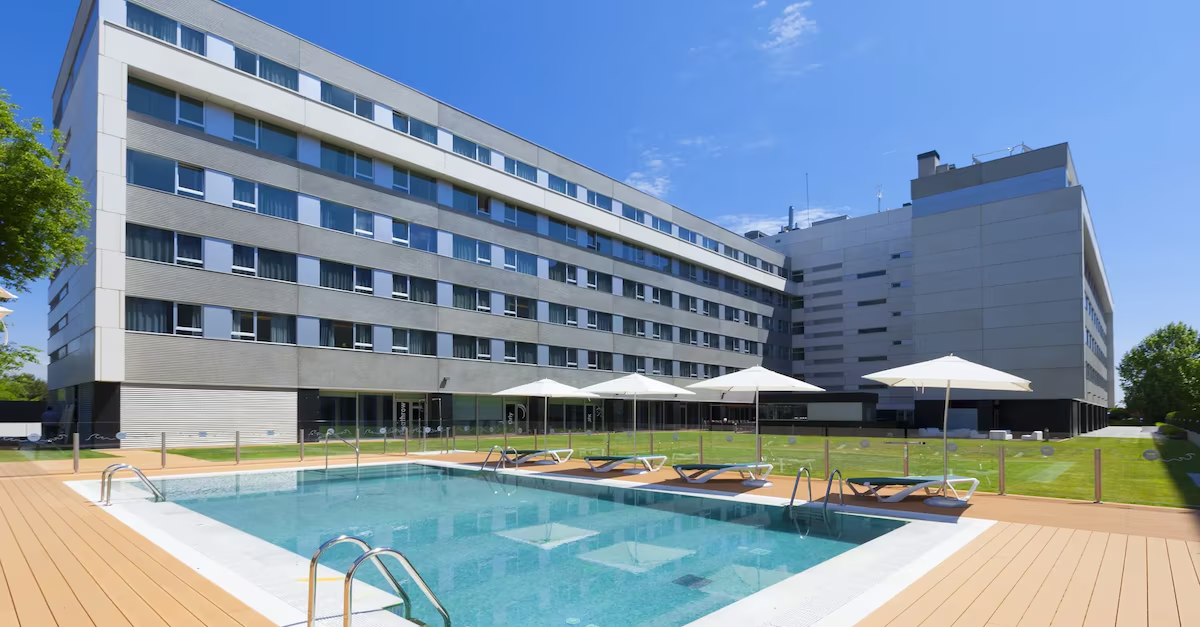
Less than a 10-minute drive from the Metropolitano, the Barajas is equipped with a bar, themed lounges and restaurant serving Mediterranean food.

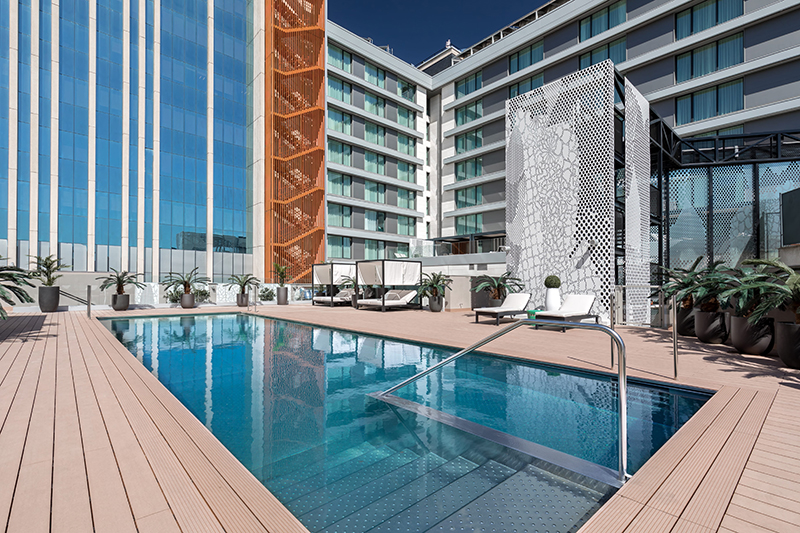
Just 500 metres from Gran Via Metro Station, the Four Seasons boasts a spa with a terrace and fitness centre, and a restaurant serving food by Spanish celebrity chef Dani García.

Five minutes from Madrid's Chamartín stations, Barceló Imagine has a rooftop terrace for cocktails, an outdoor pool, and themed rooms encompassing rock, jazz and flamenco.

Close to Atocha Train Station and Puerta del Sol, with air-conditioned private rooms, a shared lounge, free WiFi and a bar. Continental breakfasts are available.


A RICH CULINARY EXPERIENCE
Madrid's cuisine is a vibrant blend of traditional Spanish dishes with influences from various regions of the country. The city offers a rich culinary experience, ranging from classic comfort foods to sophisticated modern gastronomy.
Traditional Spanish cuisine combines a wide range of ingredients and cooking techniques, with an emphasis placed on fresh, seasonal produce, meats (such as jamón Ibérico and jamón serrano), seafood, paella and tortilla Española.
Madrid-centric food includes cocido Madrileño, which is a hearty and comforting stew, and Callos a la Madrileña: a traditional tripe dish made with beef tripe, chorizo, blood sausage, and other meats, stewed in a rich, spicy sauce. Both are perfect for those colder months.

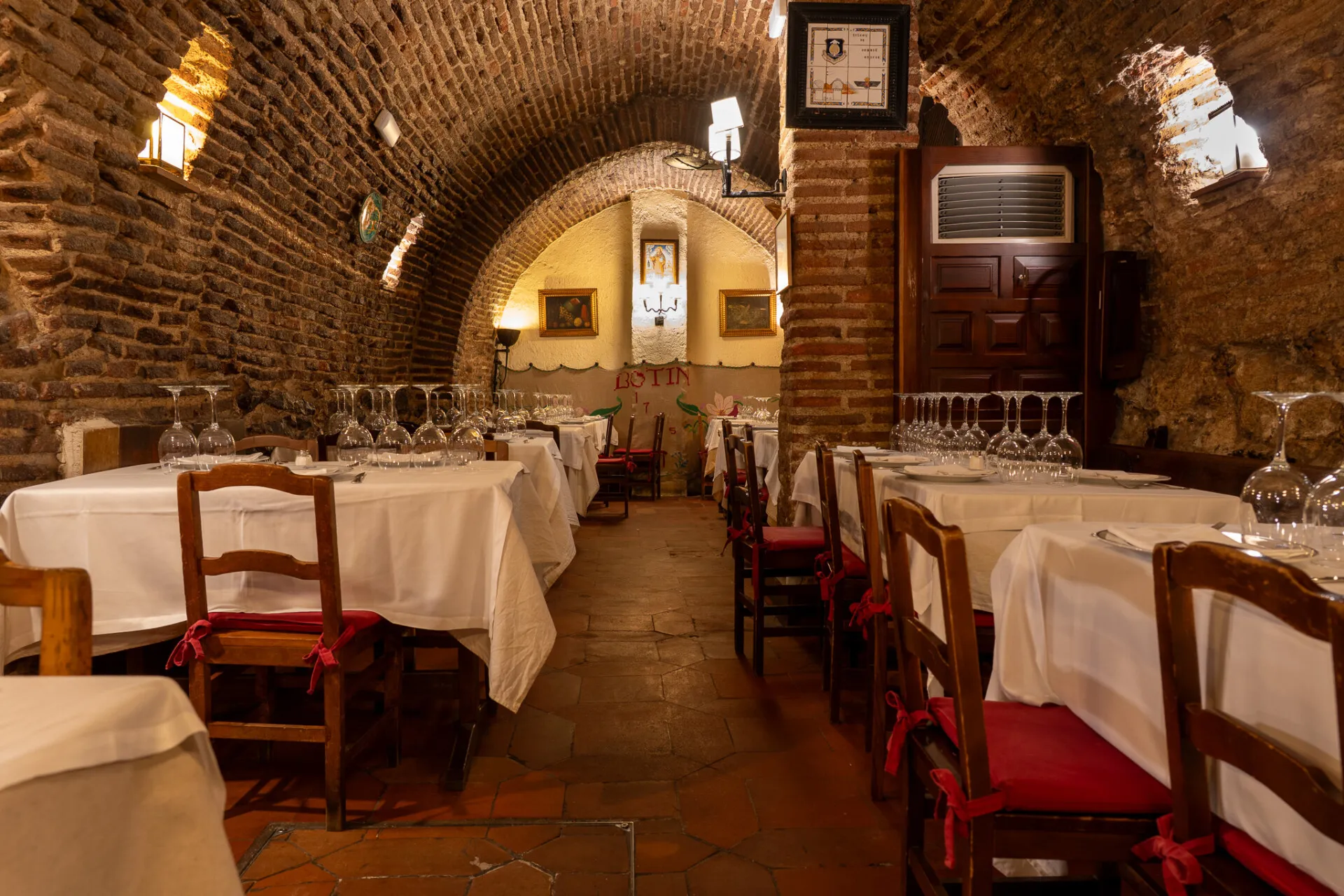
According to the Guinness Book of Records, Casa Botin is the oldest operating restaurant in the world and was in Forbes magazine’s top 10 of the world’s best classic restaurants.
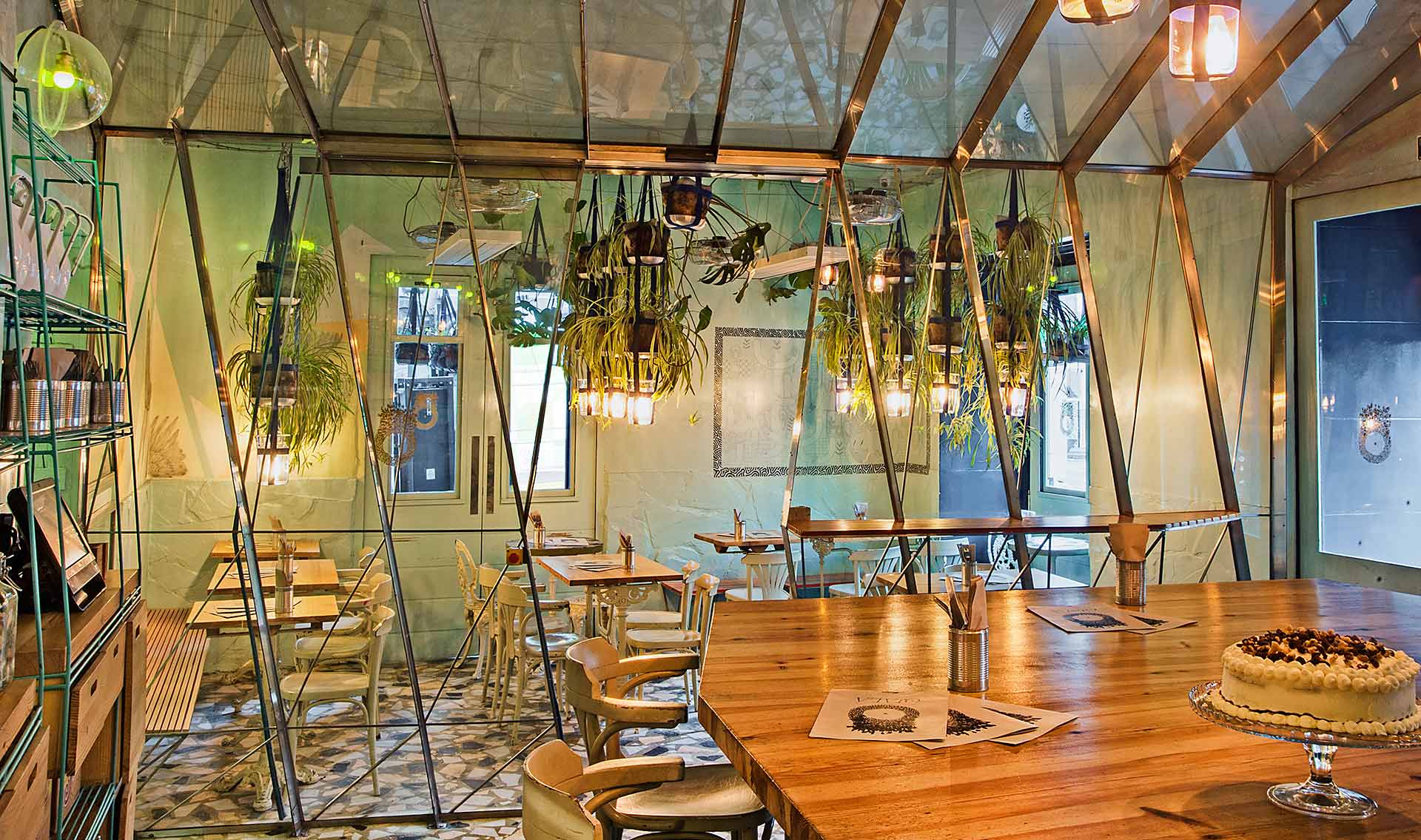
Opened its doors more than 20 years ago and was revamped in 2014 by architect Andres Jaque. It offers a stand-out brunch and has a sandy beach and bar in the basement.

Reimagined Spanish-Asian fusion dishes in a chic restaurant, with a terrace and a full bar serving beers and cool cocktails.

A slice of culinary theatre from the brain of Spanish chef Dabiz Muñoz. “New unexplored ways of understanding the gastronomic experience,” is how the man himself describes it.

TAPROOMS, COCKTAILS AND SANGRIA FOR SUMMER
Madrid has numerous taprooms and bars that offer a variety of local craft beers but the most popular beer in Madrid is undoubtedly Mahou, which is brewed in the Spanish capital.
Madrid-style wines have their own Designation of Origin (DO) for wine (Vino de Madrid) and the region around Madrid produces both red and white wines. The primary grape varieties grown include: Tempranillo, Garnacha, Malvar and Airén. Chinchón Anise Liquor hails from the town of Chinchón, just outside Madrid, and is traditional anise-flavoured digestif that has been made since the 19th century.
Although not specific to Madrid, sangría is ever-popular - a traditional Spanish punch that typically consists of red wine, fruit juices, soda water, fruit and sometimes spirits like brandy. Many bars and restaurants in Madrid offer sangría as a refreshing option, especially to tourists. Tinto de Verano is another Spanish favourite and Madrid is no different. Literally the “red wine of summer") Tinto de Verano is another beloved, lighter alternative to sangría, the perfect drink for hot Madrid summer evenings.
While Madrid may not have a long list of unique alcoholic beverages, the city's vibrant food and drink culture means that you can find both regional and nationally renowned drinks in abundance, from vermouth to wine and beer.

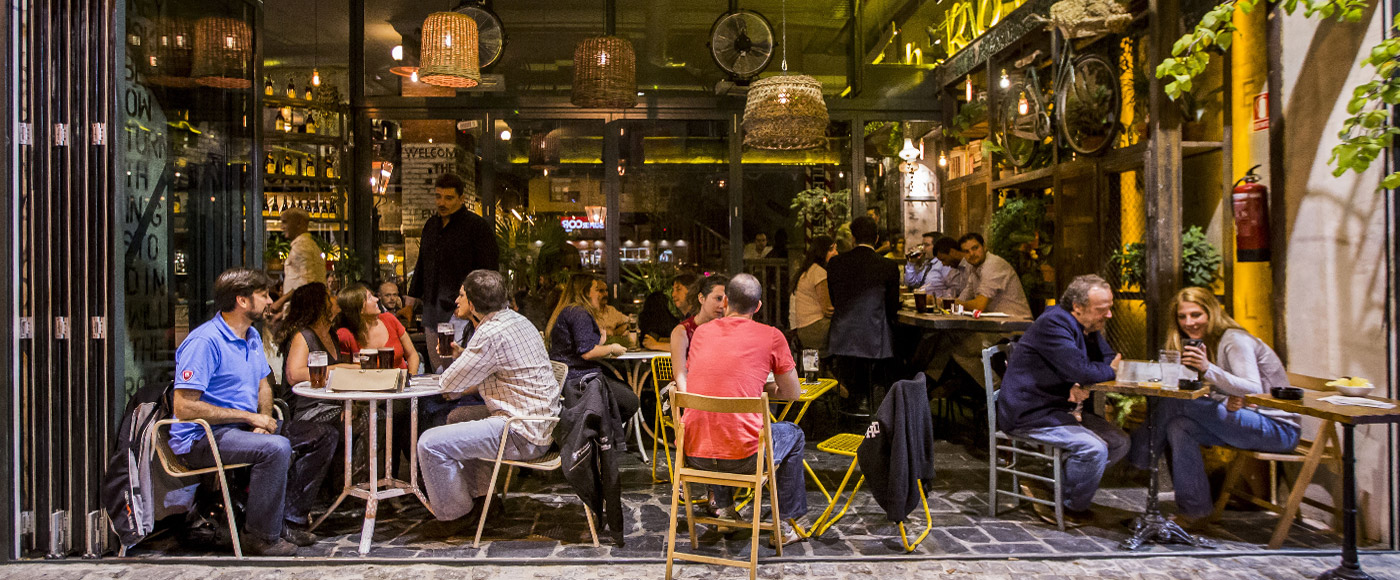
Spacious with a great atmosphere, it's a great place to watch the football, be it La Liga or the Premier League, and if there's no football, has a nice garden.
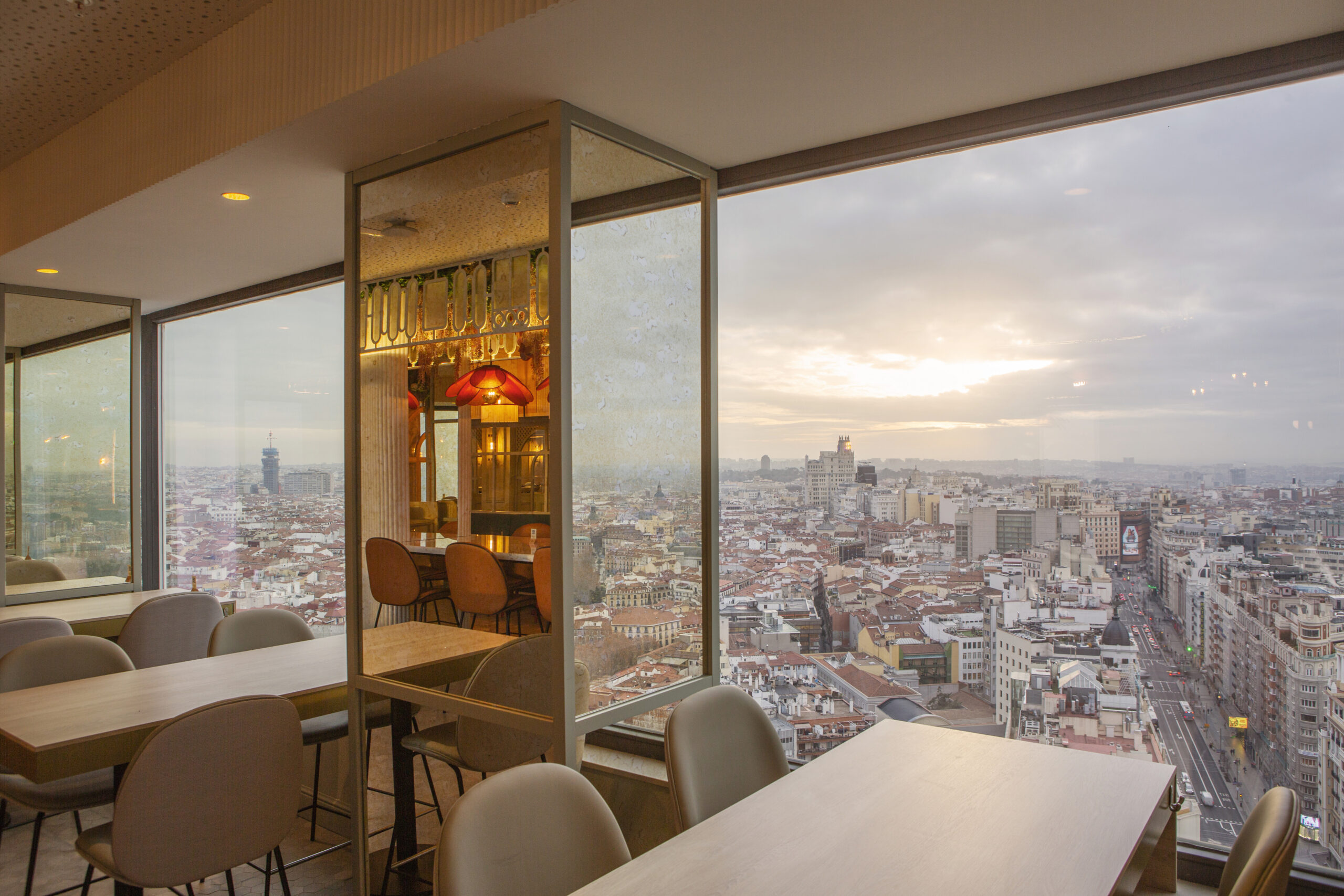
Popular with the well-heeled and those looking for Instagram inspiration. If you are not staying at the hotel, there is a fee of €5 for outside visitors (€10 after 5pm).

Enjoy a Diegoletta Maradona (melted Provolone cheese served with homemade tomato sauce and garlic bread), a Bebeto burger or a Muhammed Ali steak and chips while watching the game.

This charming, little, family-owned bar is stuffed to the rafters with everything from Atletico and Real Madrid historical newspaper clippings to scarves and masks.

In its ‘60s-style décor and neon-lit spaces, expect creative cocktails and the bar’s ‘nouvelle cuisine madrileña’ – where traditional food of the capital is given a modern twist.

Atlético are one of the biggest clubs in Spain with more than 140,000 members and 60,000 season ticket holders but that doesn’t stop them from being painted as the defiant ones in the face of more powerful rivals in Real Madrid and Barcelona. It is part self-portrait and part of the fabric of Spanish football. It is no surprise then that Atlético fans are renowned for their passion, embracing the role of underdog, much in the image of their manager. Atlético fans are called ‘colchoneros’ — mattress makers — a nickname closely linked to the history of the city of which they are a part. After the civil war, colchoneros covered mattresses with a red and white striped material, hence the link to Atlético.
The Ultras Sur (also known as Frente Atlético) hit the headlines for all the wrong reasons once again in October 2024 when it took Diego Simeone’s intervention to plead with balaclava-clad fans who had been launching objects at Real Madrid keeper Thibaut Courtois for what was deemed an inappropriate celebration. Established in the early ‘80s, the Ultras Sur are renowned for the exuberant atmosphere they create in the stadium and understandably, they have a fierce rivalry with Real Madrid's ultra groups.
Despite having their official status revoked and the banning of some members back in 2014, following the death of a Deportivo La Coruna fan, Frente-aligned clothes, chants and banners still form part of the Metropolitano’s matchday experience.
Some of the other most notable Atlético Madrid supporters' groups include the Curva Atlético, a passionate ultras group who choreograph matchday activities and the Indios Madrid group, known for their commitment to Atlético’s traditional working-class roots and working-class culture, and taking their name from the club's origin in Villa de Madrid neighbourhood, which was home to many immigrants, including people from Latin America, who were referred to as ‘indios’ by the locals.


Enamorado del Atletl (‘In love with Atleti’)
Muchachos
Hoy viajamos juntos otra vez
Enamorado del Atleti
No lo puedes entender
(Lads
We're travelling together again
I'm in love with Atleti
You can't understand)
Another fan favourite is:
Jugadores jugadores
Hemos venido a ganar
Que se enteren los vikingos
Quien manda en la capital
(Players, players
We've come to win
Show the vikings
Who rules the capital)
And another:
El Atleti fue campeón
Todo el mundo se alegró
Y el vikingo calentito que amargado se quedó
Te quedaste sin la copa ¿el campeonato donde está?
Todos saben que este año el campeón no es el Real
Somos así
Somos Campeones
Somos la hinchada que tiene más cojones
(Atleti was champion
Everyone was happy
And the Viking was so hot that he became bitter
You were left without the cup, where is the championship?
Everyone knows that this year the champion is not Real
We are like this
We are Champions
We are the fans that have the most balls)


From the indoor beach at Ojalá (Calle de San Andrés, 1), via the former smutty movie theatre at Sala Equis (Calle del Duque de Alba, 4), which now shows more tasteful silent classics and contemporary arthouse films, to the retro décor at Lolina Vintage (Calle del Espíritu Santo, 9), nightlife in the cool Malasaña district involves more than just drinking. Take a short hop to Café Manuela (Callede San Vicente Ferrer 21) for a cocktail and a board game and then take in the outrageous kitsch of Tupperware (Alta de San Pablo 26) Your nearest underground stop is Tribunal.
CURRENCY: EUROS


The largest royal palace in Western Europe offers more than 3,000 gilded rooms, paintings by Caravaggio and Velázquez and the world's only complete Stradivarius string quintet.

Picasso’s masterpiece can be found at the wonderful Museo Reina Sofía. The huge painting took its inspiration from the Nazi bombing of the Basque town whose name the piece bears.

The bustling market, held every Sunday and on public holidays, is a Madrid institution. Pick up a bargain or three as you make your way down the hill from Plaza de Cascorro.

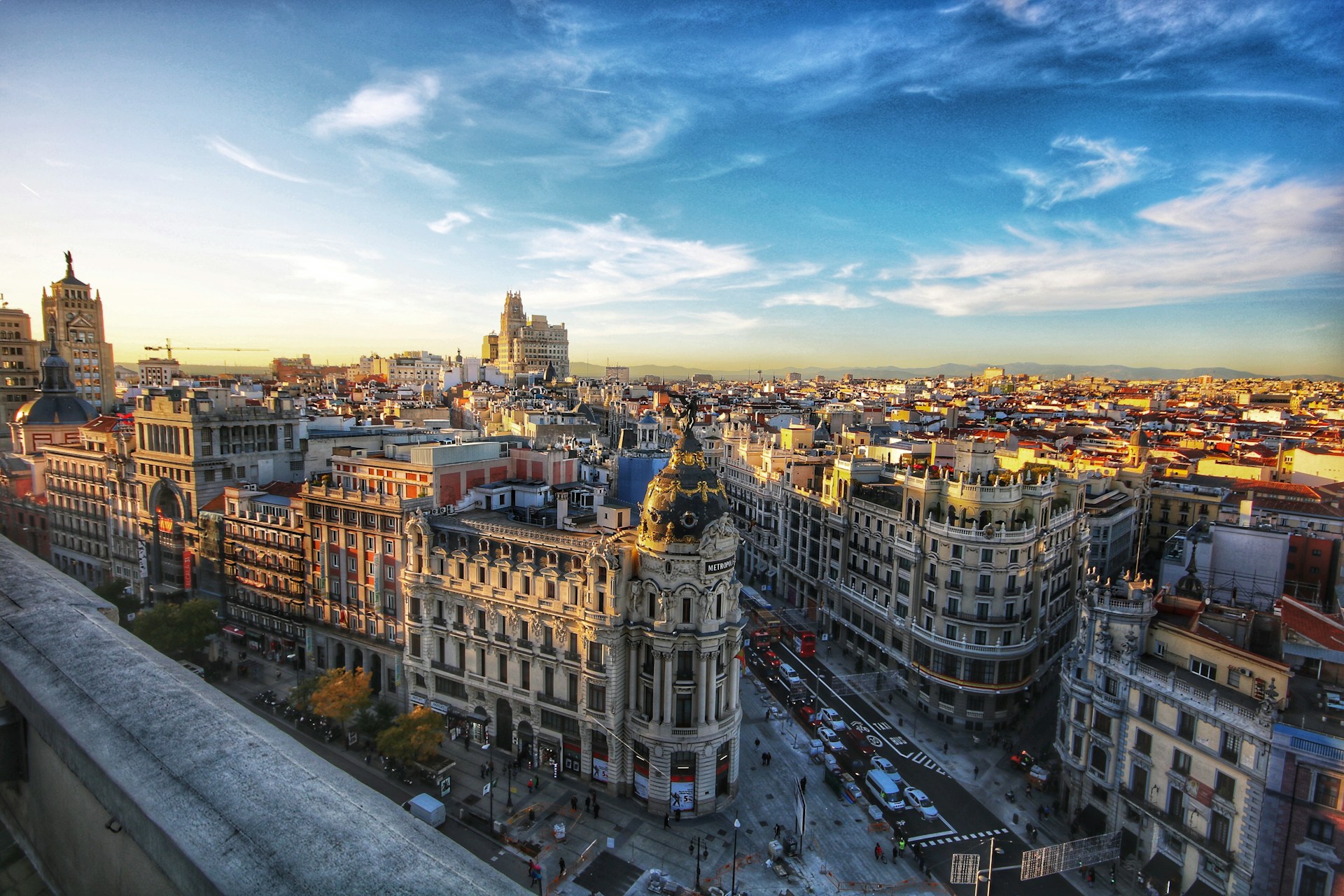
Madrid’s most famous street, Gran Vía combines a world-class shopping experience with some of the best nightlife in the Spanish capital.

Greetings and Basics
Buenos días / Buenas tardes – Good morning / Good evening
Habla inglés? – Do you speak English?
Lo siento, no hablo bien español – I’m sorry, I don’t speak Spanish well.
Puede ayudarme, por favor? – Can you help me, please?
Cuánto cuesta? – How much does it cost?
Dónde está…? – Where is…?
Quisiera pedir… – I would like to order…
Hay un cajero automático cerca? – Is there an ATM nearby?
Puedo pagar con tarjeta? – Can I pay by card?
Dónde puedo tomar un taxi? – Where can I get a taxi?
Estoy perdido/a – I’m lost
Perdón / Disculpe – Excuse me
Está lejos de aquí? – Is it far from here?
Qué hora es? – What time is it?
Muchas gracias! – Thank you very much!
Matchday phrases
Cómo puedo llegar al estadio? – How can I get to the stadium?
Cuál es la mejor hora para ir al estadio? – When is the best time to head to the stadium?
Cuánto cuestan las entradas? – How much are tickets?
Dónde puedo comprar entradas? – Where can I buy tickets?
Qué fila es esta? – Which row is this?
Dónde están los baños? – Where are the toilets?
Puedo beber en mi asiento? – Can I drink in my seat?
Puedo entrar con esta mochila? – Can I bring this backpack in?
Necesito identificación para entrar al estadio? – Do I need ID to get in the ground?
Cuánto cuesta una cerveza? – How much is a beer?
Gol! – Goal!
Paradón! – Great save!
Árbitro! – Referee!
Falta! – Foul!
Muy bien! – Well done!

Real Madrid

The Santiago Bernabéu is one of the most popular destinations for a weekend football trip befitting one of the world’s most iconic stadiums.
All Real Madrid tickets are available to buy through the club’s official website, which can be accessed in English. The ticketing page has the details of which tickets are currently on general sale. Most matches have individual ticket prices starting at €75 for general sale, while VIP tickets start at €275.
A little unhelpfully for those planning a trip to the Spanish capital for a match, regular match tickets for Real Madrid fixtures typically only go on sale around a fortnight before a match. VIP tickets are available further in advance though. Given that club members have priority, it’s wise to secure membership, especially for the bigger fixtures, but plenty of tickets go onto general sale. Meanwhile, a Madridista Premium card will set you back €35 for the year and perks of membership include access to ticket presales. It’s not advisable to use third-party ticket sites.
THE PROCESS
Tickets go on sale two weeks before the fixture as a general rule. Please be aware that some matches go on sale without a confirmed date and time.
Head to ‘Tickets’ page on the official Real Madrid website (https://www.realmadrid.com/en-US/tickets?filter-tickets=vip;general&filter-football=primer-equipo-masculino ) to see the club’s fixtures with confirmed dates and times.
The only official ticket sales channels are www.realmadrid.com and www.entradas.com.
Use the ‘Filters’ option on the left-hand side to and tick all of the options that apply to view current availability.
Prices differ for each group (season ticket members, members without season tickets, premium Madridistas and the general public).
Ticket purchases are usually exclusively online and tickets are downloaded onto your mobile phone. Download methods will be explained in your confirmation email.


The atmospheric singing section of the Santiago Bernabéu Stadium is the Fondo Sur (the south stand). If you want to sample the best atmosphere at the ground, it may be worth buying seats near the Fondo Sur. The Fondo Nord (the north end) is the supporters’ section. The better views of the match action are reflected in the increased cost of ticket.
The stadium is designed to offer very good views from wherever you sit, and you can see a snapshot of the view you'll have when you're selecting your ticket on the website.


Real Madrid offers three types of tour to the Santiago Bernabéu:
Classic (prices from €28 per adult), which includes: a panoramic view of the inside of the stadium and a trip to the Real Madrid Museum. (38€ at the ticket office)
Guided (prices from €40 per adult), which includes a guided tour of the ground as the name suggests and a trip to the Real Madrid Museum.
Exclusive (prices from €200 per adult), which includes all of the elements of the Guided package, as well as standard entry after closing time.
Tour times
Monday to Saturday: 09:00-19:00
Sundays and public holidays: 09:30-18:30
Details and tickets for all the tours can be found at: https://www.realmadrid.com/sites/en/tour-bernabeu/groups


Address: Av. de Concha Espina, 1, Chamartín, 28036 Madrid, Spain
The stadium is very well served for public transport, be it bus, train or metro.
BUS
Take EMT lines 14,27, 40, 43, 120, 126, 147 and 150 and a variety of stops surround the ground: Paseo de la Castellana — Santiago Bernabéu, Paseo de la Castellana — Plaza de Lia, Paseo de la Castellana — Rafael Salgado, Plaza de Lima, Avda. Concha Espina — Plaza de Lima, Padre Damián — Rafael Salgado, Paseo de la Habana — Saggrados Corazones.
TRAIN
Train lines C-1, C-2, C-3, C-4, C-7, C-8, C-8a and C-10 all stop at Nuevos Ministerios Station, which is a 10-minute walk from the ground.
All routes to the stadium are shown here: https://bernabeu.realmadrid.com/en-US/plan-your-visit


Just 500 metres from Gran Via Metro Station, the Four Seasons boasts a spa with a terrace and fitness centre, and a restaurant serving food by Spanish celebrity chef Dani García.
Five minutes from Madrid's Chamartín stations, Barceló Imagine has a rooftop terrace for cocktails, an outdoor pool, and themed rooms encompassing rock, jazz and flamenco.
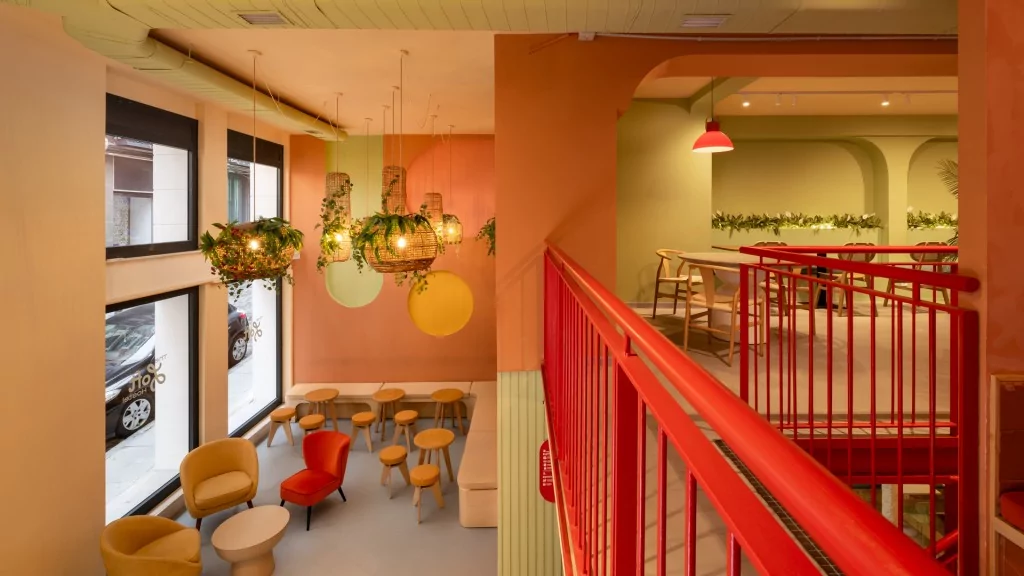
Close to Atocha Train Station and Puerta del Sol, with air-conditioned private rooms, a shared lounge, free WiFi and a bar. Continental breakfasts are available.
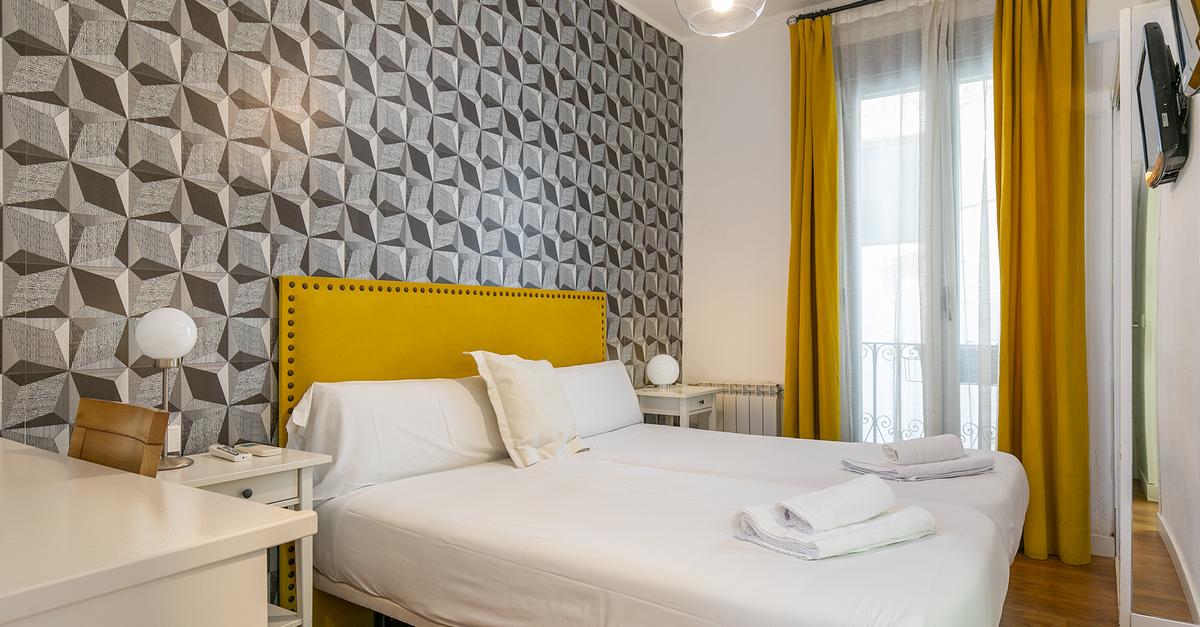
Less than 1 km from Gran Via Metro Station. Rooms come in singles, doubles and triples and the hostel offers luggage deposit during reception hours and a continental breakfast.

Just a 10-minute walk from the Bernabéu, Roisa Hostal Boutique offers en-suite bathrooms, free WiFi and express check-in and check-out, as well as a 24-hour front desk.

A RICH CULINARY EXPERIENCE
Madrid's cuisine is a vibrant blend of traditional Spanish dishes with influences from various regions of the country. The city offers a rich culinary experience, ranging from classic comfort foods to sophisticated modern gastronomy.
Traditional Spanish cuisine combines a wide range of ingredients and cooking techniques, with an emphasis placed on fresh, seasonal produce, meats (such as jamón Ibérico and jamón serrano), seafood, paella and tortilla Española.
Madrid-centric food includes cocido Madrileño, which is a hearty and comforting stew, and Callos a la Madrileña: a traditional tripe dish made with beef tripe, chorizo, blood sausage, and other meats, stewed in a rich, spicy sauce. Both are perfect for those colder months.
According to the Guinness Book of Records, Casa Botin is the oldest operating restaurant in the world and was in Forbes magazine’s top 10 of the world’s best classic restaurants.

Just a 10-minute walk away from the ground - marvel at the hundreds of bottles on the wall as you tuck into authentic Italian food in cool surroundings.
Reimagined Spanish-Asian fusion dishes in a chic restaurant, with a terrace and a full bar serving beers and cool cocktails a five-minute walk from the Santiago Bernabéu.
A slice of culinary theatre from the brain of Spanish chef Dabiz Muñoz. “New unexplored ways of understanding the gastronomic experience,” is how the man himself describes it.
TAPROOMS, COCKTAILS AND SANGRIA FOR SUMMER
Madrid has numerous taprooms and bars that offer a variety of local craft beers but the most popular beer in Madrid is undoubtedly Mahou, which is brewed in the Spanish capital.
Madrid-style wines have their own Designation of Origin (DO) for wine (Vino de Madrid) and the region around Madrid produces both red and white wines. The primary grape varieties grown include: Tempranillo, Garnacha, Malvar and Airén. Chinchón Anise Liquor hails from the town of Chinchón, just outside Madrid, and is traditional anise-flavoured digestif that has been made since the 19th century.
Although not specific to Madrid, sangría is ever-popular - a traditional Spanish punch that typically consists of red wine, fruit juices, soda water, fruit and sometimes spirits like brandy. Many bars and restaurants in Madrid offer sangría as a refreshing option, especially to tourists. Tinto de Verano is another Spanish favourite and Madrid is no different. Literally the “red wine of summer") Tinto de Verano is another beloved, lighter alternative to sangría, the perfect drink for hot Madrid summer evenings.
While Madrid may not have a long list of unique alcoholic beverages, the city's vibrant food and drink culture means that you can find both regional and nationally renowned drinks in abundance, from vermouth to wine and beer.
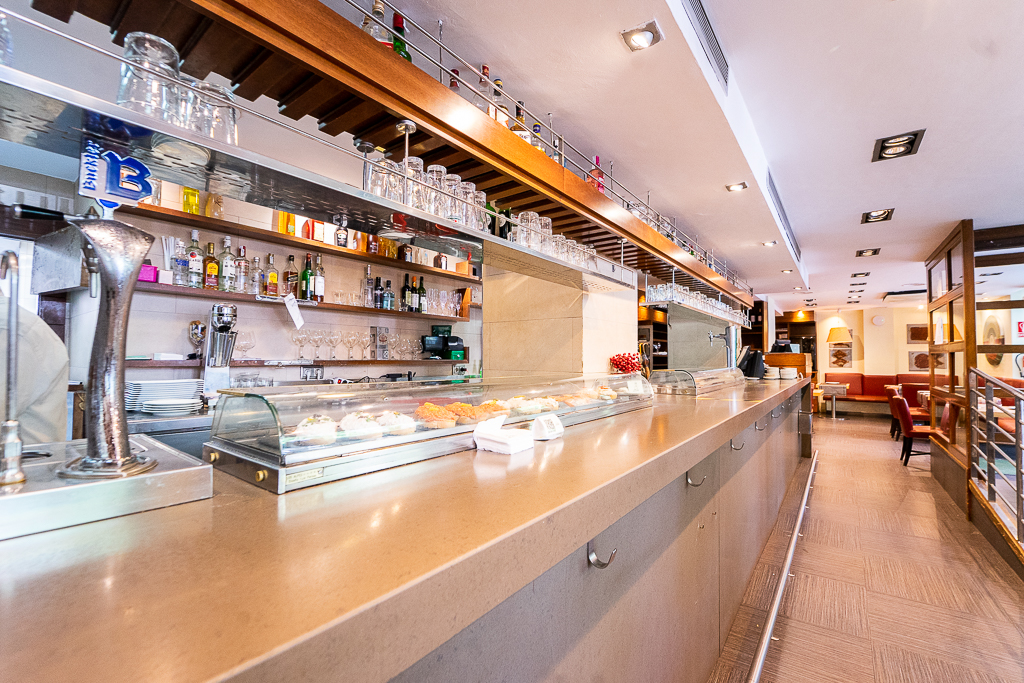
Spacious with a great atmosphere, it's a great place to watch the football, be it La Liga or the Premier League. Ten minutes away from the Bernabéu, it also has a nice garden.
Bang next to the ground, the restaurant offers traditional Spanish fare or a tent outside where you can grab a beer or a glass or a wine before the game.

So close you can see the Bernabéu, La Saeta is sat on the Calle de Marceliano Santa María, where Madrid’s diehards can be found lining the street before the match.
Popular with the well-heeled and those looking for Instagram inspiration. If you are not staying at the hotel, there is a fee of €5 for outside visitors (€10 after 5pm).

Real Madrid’s website lists 46 official supporters’ groups or peñas from places as far flung as Vietnam and Lebanon. Peñas are organised groups of fans that often come together to attend matches, watch games at local venues, participate in club events and promote Real Madrid’s global image.
There is a block of fans, decked out in white on the south side of the Bernabéu, known as the Grada Fans (‘grada’ means stand in Spanish) that make the most noise and whip up the rest of the stadium. Numbering almost 2,000, these fans must follow a strict set of rules imposed by the club — they have to be aged between 14 and 45, for example.
The designated singing section has been moved to the lowest tier of the ground due to safety and all members sign an agreement with the club so that strict conditions are adhered to — aside from the all-white dress code and age restrictions, Grada fans must not engage in chants that would harm Real Madrid’s interests.
The most famous and notorious Real Madrid ultras group is the Ultras Sur, who have been banned from attending matches at the Bernabéu since 2013. The group has occasionally made the news as they can still attend away games, most recently when they were present at the Champions League game in Braga. The club has distanced themselves from the group due to their problematic political stances.


Hala Madrid y nada más
A popular anthem at Real Madrid translates as "Come on Madrid! ... and nothing else". "Hala Madrid" is a Spanish phrase that's used as a battle cry by fans and players alike, and it can mean "Go Madrid" or "Come on Madrid".
Yo Soy del Madrid
A popular chant among Real Madrid fans, the lyrics are:
Yo soy del Madrid,
el más grande, el mejor,
el que siempre va a ganar,
con el alma y el corazón
(I am from Madrid,
the biggest, the best,
the one who will always win,
with heart and soul)
Cómo no te voy a querer
Translated as "How could I not love you", the lyrics have changed over time, from "si fuiste campeón de Europa por décima vez" ("when you were European champions for the tenth time") to "si fuiste campeón de Europa una y otra vez" ("when you've been European champions time and time again").

Football meets culture in the Spanish capital, making it an unrivalled destination for a short football-watching trip. Madrid is a city that seamlessly blends world-class art and museums with rich history and architecture … and, of course, football.
CURRENCY: EUROS
The largest royal palace in Western Europe offers more than 3,000 gilded rooms, paintings by Caravaggio and Velázquez and the world's only complete Stradivarius string quintet.
Picasso’s masterpiece can be found at the wonderful Museo Reina Sofía. The huge painting took its inspiration from the Nazi bombing of the Basque town whose name the piece bears.
The bustling market, held every Sunday and on public holidays, is a Madrid institution. Pick up a bargain or three as you make your way down the hill from Plaza de Cascorro.
Madrid’s most famous street, Gran Vía combines a world-class shopping experience with some of the best nightlife in the Spanish capital.


Greetings and Basics
Buenos días / Buenas tardes – Good morning / Good evening
Habla inglés? – Do you speak English?
Lo siento, no hablo bien español – I’m sorry, I don’t speak Spanish well.
Puede ayudarme, por favor? – Can you help me, please?
Cuánto cuesta? – How much does it cost?
Dónde está…? – Where is…?
Quisiera pedir… – I would like to order…
Hay un cajero automático cerca? – Is there an ATM nearby?
Puedo pagar con tarjeta? – Can I pay by card?
Dónde puedo tomar un taxi? – Where can I get a taxi?
Estoy perdido/a – I’m lost
Perdón / Disculpe – Excuse me
Está lejos de aquí? – Is it far from here?
Qué hora es? – What time is it?
Muchas gracias! – Thank you very much!
Matchday phrases
Cómo puedo llegar al estadio? – How can I get to the stadium?
Cuál es la mejor hora para ir al estadio? – When is the best time to head to the stadium?
Cuánto cuestan las entradas? – How much are tickets?
Dónde puedo comprar entradas? – Where can I buy tickets?
Qué fila es esta? – Which row is this?
Dónde están los baños? – Where are the toilets?
Puedo beber en mi asiento? – Can I drink in my seat?
Puedo entrar con esta mochila? – Can I bring this backpack in?
Necesito identificación para entrar al estadio? – Do I need ID to get in the ground?
Cuánto cuesta una cerveza? – How much is a beer?
Gol! – Goal!
Paradón! – Great save!
Árbitro! – Referee!
Falta! – Foul!
Muy bien! – Well done!
