ABOUT
Few countries in the world can claim to be as football daft as Scotland and no city in Scotland is quite as football crazy as Glasgow. Fans on both sides of the Old Firm are renowned for creating electric atmospheres at home games and the city's friendliness and burgeoning food and music scene make it a must-visit if you're in the UK.
Glasgow's football scene is dominated by Rangers and Celtic with the latter the current dominant force in Scottish football. Both enjoy fanatical support from their fanbases with tickets often amounting to gold dust for the biggest games. But, if you're organised, access to games is readily attainable and you can sample the famous Celtic Park and Ibrox atmospheres for yourself without too much trouble. Beyond the big two, there are many clubs at all levels of Scottish football within striking distance, with renowned names and grounds that are just as worthy of a visit.
The city itself is a handsome former industrial centre with a surprising amount of green space, now reinventing itself as a cultural capital in its own right. As well as great restaurants and vast numbers of historic and traditional pubs, the city has a variety of museums, music venues and more, from the slick Merchant City in the east to the affluent West End.

Celtic

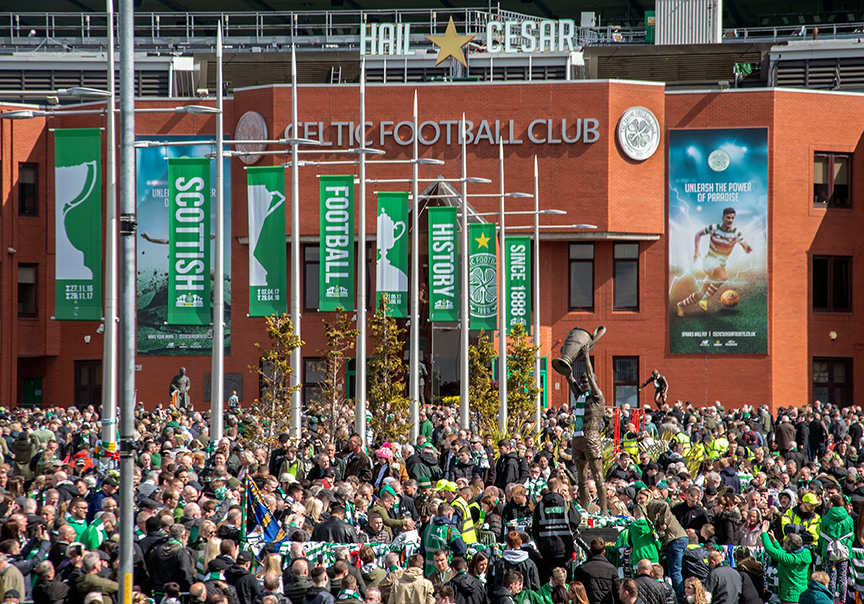
Founded in 1887, Celtic is one of the most storied football clubs in Scotland and Europe. The first British club to win the European Cup, under Jock Stein, they did so with a team made up entirely of players from Scotland, beating Inter Milan in the 1967 final in Lisbon and earning the name 'The Lisbon Lions'. They have dominated Scottish football in the 21st century, winning six of their seven domestic trebles since the 2000-01 season, with an invincible league season achieved in one of those (2016-17) under Brendan Rodgers.
Celtic Park, also known as 'Parkhead' (after the area it's in), and nicknamed 'Paradise' is the largest football stadium in Scotland and holds more than 60,000 fans.
Prices for tickets on general sale typically ranging from £25 to £50 for an adult, depending on the seating category and the opponent. For concessions (Senior/Under-18s) it's around £15 to £25, and it's possible on occasion to get family-friendly packages for parents and children, with prices generally starting from around £40-£50 for a family of 3 or 4 (1 or 2 adults and 1 or 2 children). Prices are slightly higher for European matches, and slightly lower for domestic cup competitions. Hospitality packages vary too with basic options available for £70-£100 if you get in early.
TOP TIP
The club's ticketing account is very active on social media and is a good place to check for updates around games: https://x.com/celticfctickets
THE PROCESS
Tickets are available via the club ticketing portal: https://www.eticketing.co.uk/celtic/ - you'll need to sign up for an account to purchase tickets whether on general sale or for hospitality packages. Provided tickets are on sale and available for your chosen fixture you'll be able to click through to the stadium map to choose your seats.
Tickets for Celtic are generally difficult to come by on general sale so it's worth signing up to email alerts when you open your account to make sure you get the latest information on sales.
You can also purchase tickets directly at the Celtic Park Ticket Office, located at the stadium itself. The ticket office also offers phone support if you'd prefer to buy tickets or get more information over the phone: 0141 230 1967. The ticket office counter at Celtic Park is open 11am-2pm, Mon to Fri and 11am-kick-off on matchdays.
If you need accessible tickets for a game, the club has a dedicated page on its website: https://www.celticfc.com/tickets/accessible-tickets. If there are any available after sales are opened to waiting lists, these tickets go on general sale approximately two weeks before a game.


Overall, where you sit at Celtic Park depends on the type of matchday experience you're looking for — whether it's a loud, passionate atmosphere or a more relaxed, comfortable viewing experience.
For the full experience of Celtic’s famous atmosphere, the North Stand or East Stand near the Green Brigade is recommended, but be prepared for non-stop singing and chanting.
For a quieter, more comfortable experience with great views of the match, the Jock Stein Stand (West Stand) or the upper tiers of the South Stand are excellent choices.
Family sections in the East Stand are perfect for those attending with young children.
Premium seats in the executive areas are ideal for those seeking luxury and comfort.


Celtic's one-hour guided stadium tour takes you behind-the-scenes at Celtic Football Club, into the tunnel, Celtic dressing room and dugout, as well as the Celtic Park boardroom and the club's historic moments. Saturday and Sunday are the easiest times to go, with tours starting every 30 minutes between 10am and 6pm on Saturday, and 10am and 3.30pm on Sundays. Limited times are available during the week.
The tour costs £17.50 for adults and £12 for a child under 12. Family tickets (2 adults / 2 children) are £55 and concessions £15.50. Under 5s are free. Group packages (10+) are also available upon enquiry.
'Tour and Dine' packages are also available on Fridays, Saturdays and Sundays - a 3-hour experience that includes the tour and a meal in the stadium's 'Number 7' restaurant.
Tickets, availability and packages are all available through the club at https://www.celticfc.com/visit-celtic-park/stadium-tours/. For enquiries you can email stadiumtours@celticfc.co.uk or call 0871 226 1888.


Address: The Celtic Football Club, Celtic Park, Glasgow, G40 3RE, Scotland
The club's first-time fans section has all the information you need for matchday: https://www.celticfc.com/tickets/first-time-fans
Celtic Park is readily accessible either on foot from the city centre (or a pub en route) or by public transport:
ON FOOT
Glasgow City Centre and both Glasgow Central and Glasgow Queen Street train stations are less than a 45 minute walk away from Celtic Park.
BY TRAIN
Trains from Glasgow Queen Street run to Bellgrove station, approximately 1 mile from the stadium. Trains from Glasgow Central or Argyle Street run to Dalmarnock and Bridgeton, which are within half a mile of the stadium. From Bridgeton, head east along London Road. From Dalmarnock, head north up the Clyde Gateway (you can see the stadium from the station)
BY BUS
From Glasgow City Centre, the 2, 61, 64, 255 and 240 buses stop at the Forge Shopping Centre located on the Gallowgate and approximately 1 mile from the stadium.
The club also has a useful matchday information page: https://www.celticfc.com/visit-celtic-park/matchday-information


Clean, modern rooms with basic amenities at a budget-friendly price. Located near the city centre, it's a convenient choice for simple accommodation without breaking the bank.
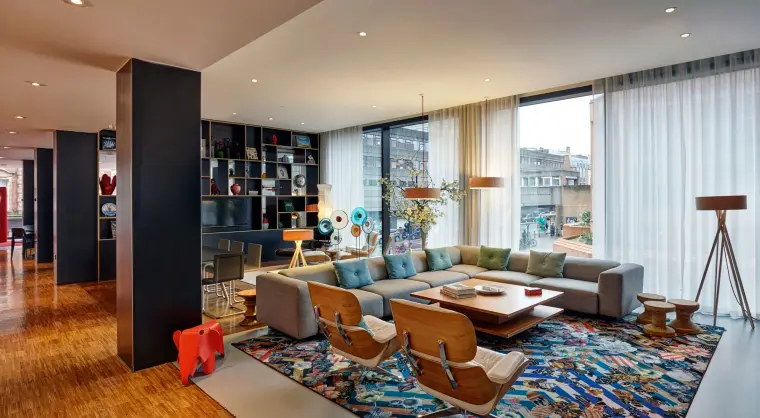
A stylish, contemporary hotel with a focus on modern design. The rooms are compact but feature smart amenities, including mood lighting and iPads for controlling room settings.

Located in a converted former warehouse blending modern luxury with historical charm. The hotel features stylish rooms, a fantastic bar, and an excellent restaurant.

The Blythswood Square Hotel offers a stunning blend of elegance and modern luxury. Set in a beautiful Georgian townhouse, it features a luxury spa, fine dining, and opulent rooms.


HEARTY, LOCALLY SOURCED INGREDIENTS
Scottish cuisine is a reflection of the country’s history, geography, and climate.
Meat, particularly lamb, beef, and game, plays a central role, often complemented by fresh fish from the surrounding seas, such as salmon and haddock. One of the most iconic Scottish dishes is haggis, a savoury pudding made from sheep's heart, liver, and lungs, mixed with oats, onions, and spices, traditionally encased in a sheep's stomach.
Scotland is also known for its stovies, a comforting dish of potatoes, onions, and meat, usually served with oatcakes. Cullen Skink, a creamy soup made with smoked haddock, potatoes, and onions, is a staple of coastal cuisine. Another beloved dish is Scotch broth, a nourishing soup made with lamb, vegetables, and barley. A reputation for deep-frying everything is knowingly embraced with some chip shops offering to batter and fry pretty much anything you bring them to put in the fryer.
At the football, a variety of pies are king, with fillings ranging from minced lamb to macaroni cheese and curried chicken to doner kebab meat.
For dessert, cranachan, a sweet treat made with whipped cream, honey, raspberries, and oats, reflects Scotland’s love for berries and dairy. Shortbread, a simple but rich biscuit, is also famous worldwide.
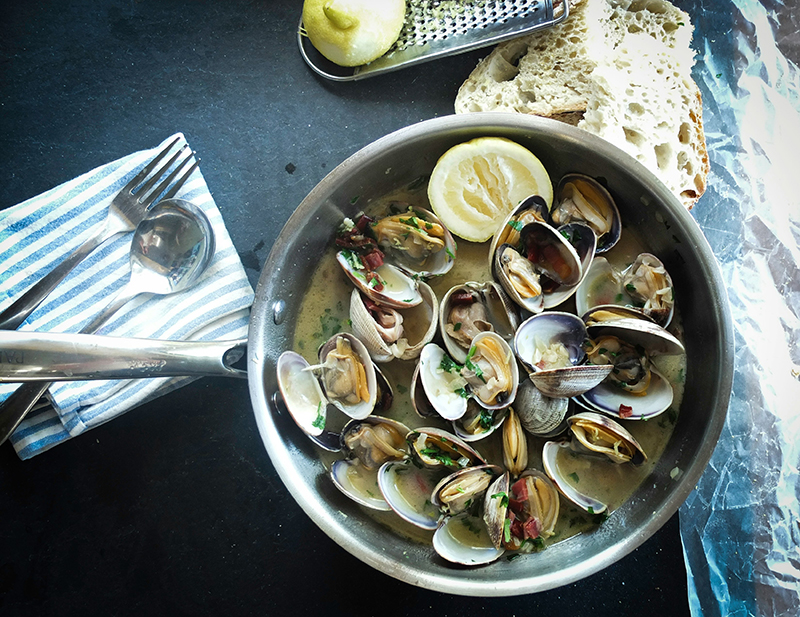

Serving Glaswegians since 1875, Val'd'oro dishes up some of the best traditional fish suppers in the city, complemented by a range of ice creams and desserts.

Having fed the hungry capital since 1970, La Lantera remains owned by the same family and has racked up numerous awards over the years.
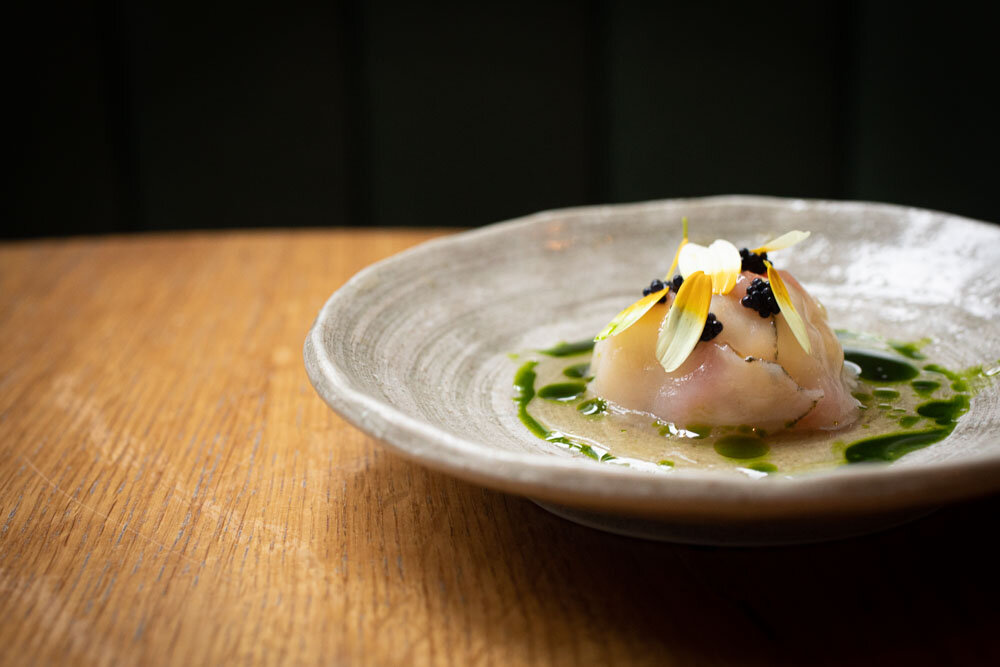
Simply put, Cail Bruich is one of Glasgow's best restaurants, offering 5- and 7-course tasting menus alongside an equally brilliant lunch service. Reservations are essential.
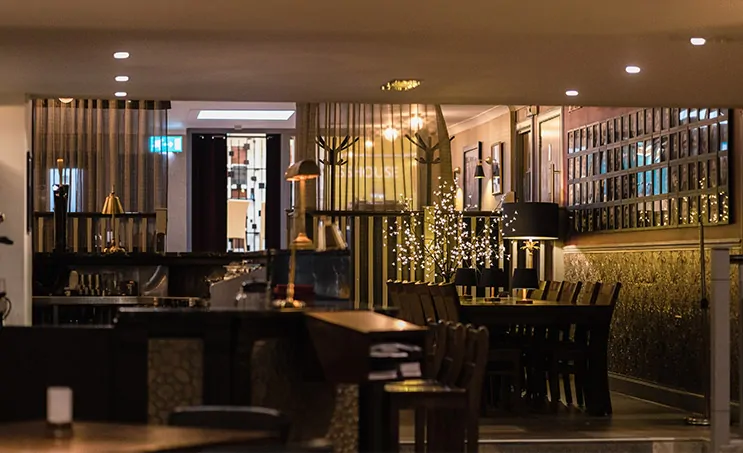
A Glasgow icon since 1990, Mother India, its cafe, and deli are all worth a visit. For the fullest sensational menu, head upstairs at the Westminster Terrace restaurant.

SOPHISTICATED AND CREATIVE
Scottish drinks are as diverse as its cuisine, ranging from world-renowned spirits to beloved soft drinks.
The most famous is whisky, a distilled spirit that has put Scotland on the global map. Made primarily from barley, it is aged for a minimum of three years in oak casks, giving it a rich variety of flavours, from smoky Islay whiskies to the smoother, sweeter drams of the Highlands and Speyside. Single malts, blends, and grain whiskies all have distinct characteristics, with each region offering unique tastes.
In addition to whisky, Scotland has a long tradition of beer brewing. Scottish ales, particularly heavy ales and Scottish stouts, are popular, often known for their rich maltiness and lower alcohol content compared to their English counterparts. The country is home to many craft breweries, offering a range of lagers, IPAs, and seasonal brews.
For non-alcoholic options, Irn-Bru stands out as Scotland’s unofficial national drink. This bright orange, slightly citrus-flavoured fizzy juice is beloved for its distinctive taste and is often seen as a counterpoint to Coca-Cola.
The coffee scene has exploded in recent years too, although for a traditional hot drink at the football you might find punters enjoying Bovril, a beef-extract based drink. Finally, cloudy lemonade and Scottish fruit cordials made from local berries like elderflower or rowan are traditional, refreshing alternatives to fizzy drinks, often served chilled.


A fixture in Glasgow since 1884, the Horseshoe Bar is known for the unique shape of its 100ft bar - one of the longest in Europe - and its ornate Victorian decor.
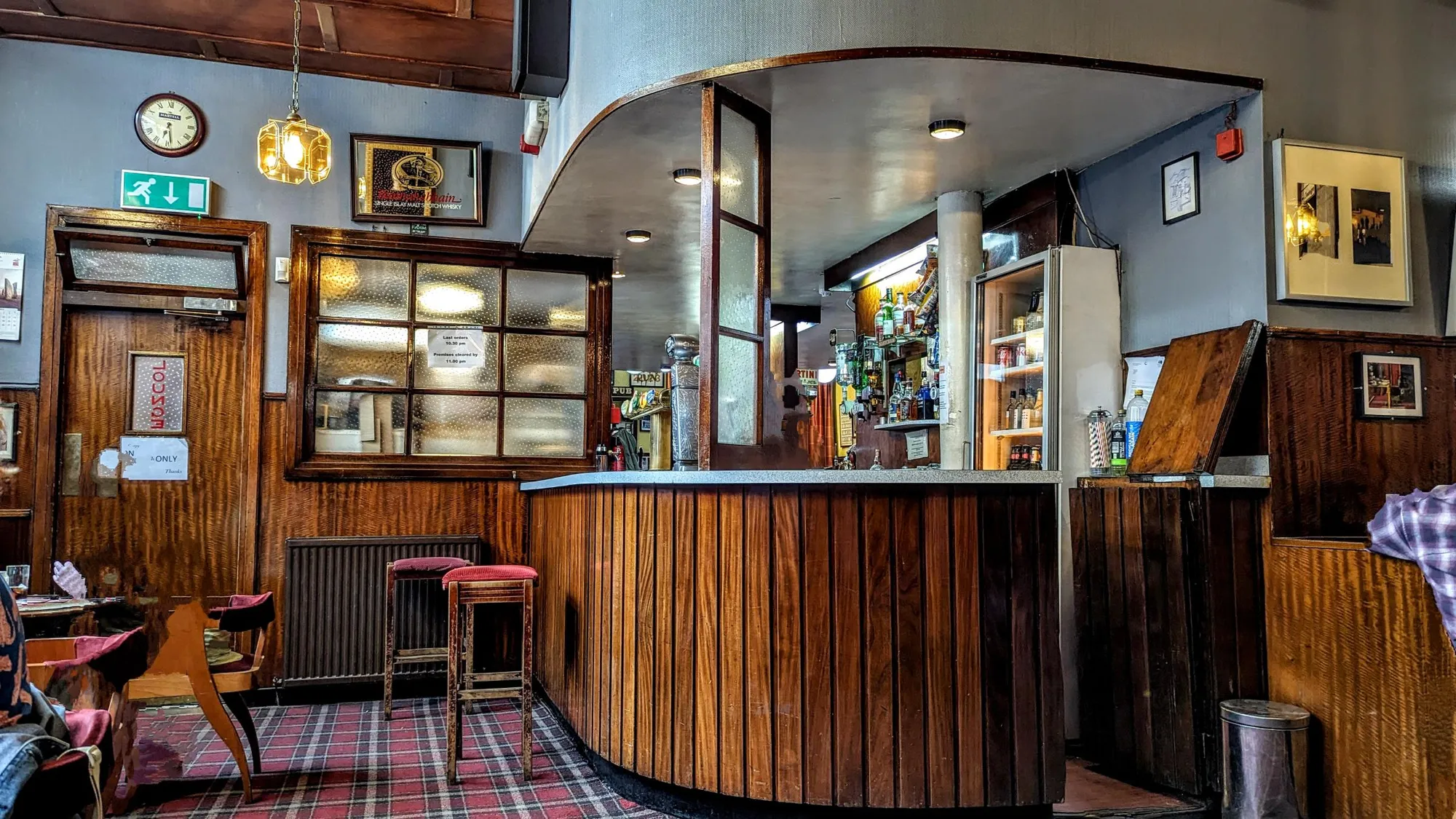
One of Glasgow's most welcoming pubs still retains the bar/lounge split of its 60s heyday, and is worth visiting for a pint at any time of the day or night.

Regularly voted one of the UK's best 50 cocktail bars, this Vincent van Gogh-inspired speakeasy is well hidden in Glasgow's Merchant City

Inside the iconic Templeton Building on Glasgow Green, West Brewery's Beerhall isn't only a great bar but the perfect last stopping point on the way to Celtic Park.

Located directly across from Glasgow’s iconic Barrowland Ballroom, The Gate is a neighbourhood bar dedicated to showcasing everything great about Scotland.

The Green Brigade
The most prominent and well-known ultra group supporting Celtic FC. Formed in the mid-2000s, they are known for their passionate support, choreography (such as tifo displays), and vibrant atmosphere at Celtic Park (Celtic's home stadium).
They occupy the North Curve section of the stadium, a designated area for vocal supporters.
The Green Brigade are are noted for their political activism, often expressing left-wing, anti-racist, and pro-independence views, which is in line with the club's historical connection to Irish nationalism and the Catholic community. They have been vocal about issues such as social justice, refugees, and workers' rights.


Hail Hail (Grand Old Team)
Hail! Hail! The Celts are here,
What the hell do we care?
What the hell do we care?
Hail! Hail! The Celts are here,
What the hell do we care now…
For it’s a grand old team to play for,
It’s a grand old team to see,
And if you know your history,
It’s enough to make your heart go,
Oh! Oh! Oh!
We don’t care what the animals say,
What the hell do we care?
For we only know that there’s gonna be a show,
And the Glasgow Celtic will be there!
I Just Can’t Get Enough
(sung to the tune of Depeche Mode – “Just Can’t Get Enough”)
When I see you Celtic, I go out of my head,
I just can’t get enough, I just can’t get enough.
All the things you do to me and all the things you said,
I just can’t get enough, I just can’t get enough.
We slip and slide and we fall in love,
And I just can’t seem to get enough of…
Everywhere We Go (Watching Glasgow Celtic)
Whoooa oh oh oh,
Everywhere we go,
Watching Glasgow Celtic,
Putting on a show!
Whoooa oh oh oh,
Everywhere we go,
Watching Glasgow Celtic,
Putting on a show!


Glasgow is a vibrant, cultural hub in Scotland, known for its rich history, diverse architecture, and lively arts scene. Visitors can explore iconic landmarks like the Kelvingrove Art Gallery, the Riverside Museum, and the Glasgow Cathedral. The city boasts world-class shopping on Buchanan Street and a thriving food scene, with everything from traditional Scottish fare to international cuisine.
Glasgow is also renowned for its music scene, with venues like the Barrowlands and King Tut's Wah Wah Hut hosting legendary performances. The warm, friendly locals and the city's dynamic atmosphere make Glasgow a must-visit destination.
CURRENCY: GBP

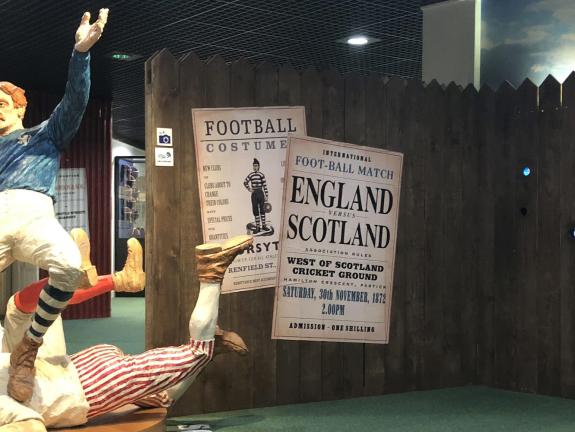
Located in Hampden Park, Scotland's national football stadium, the country's national football museum is one of the most important football-related museums in the world.

Opened in 1901, Kelvingrove's Spanish Baroque-style architecture is grand and beautiful, both inside and out. It's an amazing place to browse some truly diverse collections.

In addition to 9,000 plants and a stunning Victorian glasshouse, the Botanics has over 20 hectares of landscaped grounds to explore, much it along the beautiful River Kelvin.

Next to Glasgow Cathedral, the Necropolis was modelled on Père-Lachaise in Paris. It is estimated that as many as 50,000 burials have taken place here, with around 3,500 tombs.

Rangers
Rangers, founded in 1872, are one of the giants of UK football, with 55 Scottish league titles, 33 Scottish Cups, and 27 Scottish League Cups. Through the 1990s in particular they enjoyed near-unprecedented domestic dominance, with stars including Brian Laudrup, Paul Gascoigne, Ally McCoist and Mark Hateley contributing to their run of nine league titles in a row.
Ibrox, their home since 1899, is a 50,000 seater ground renowned for its steep stands and passionate atmosphere. The club's main entrance, part of the Bill Struth Main Stand on Edmiston Drive, is a red-brick facade, designed by Archibald Leitch, and is a Category B listed building.
Ticket prices for league matches typically range from £25 to £40 for standard seating, though for higher-demand matches (against Celtic, Aberdeen, etc.), prices could be higher. Tickets for European nights can be more expensive, usually between £30 to £50 if they make it to general sale. For Scottish Cup or league cup games, tickets are much more likely to be available and prices are usually a bit lower than league or European games, generally in the range of £20 to £30.
If you're looking for a more premium experience, such as in hospitality suites or VIP areas, prices can range from £50 to £150 or more, depending on the package. Rangers also often offer discounts for juniors, seniors, and season ticket holders. Family tickets can also be available for some matches.
THE PROCESS
Tickets for Rangers are generally difficult to come by on general sale, so it's worth signing up to email alerts when you open your account to make sure you get the latest information on sales.
Tickets for men's, women's, 'B' teams in all competitions are available at https://tickets.rangers.co.uk
You'll need to sign up for an account to purchase tickets whether on general sale or for hospitality packages (though for women's and B team games, seats are unallocated, and you don't need a login).
Provided tickets are on sale and available for your chosen fixture you'll be able to click through to the stadium map to choose your seats.
Where there is availability and tickets make it to general sale, they can also be purchased directly at the Ibrox Stadium Ticket Office.
The Ticket Office is open on matchdays and during regular office hours (usually weekdays from 10:00 AM to 4:00 PM).
If you're lucky enough to know a season ticket holder, they can get priority access to general tickets and can purchase 1 ticket, in addition to their Season Ticket seat through their membership.

Your seating options at Rangers will almost certainly be dictated by the availability of tickets.
If you find yourself with a choice, the stands are generally perceived as follows:
Copland Road stand - the lower block next to the main stand is home to Rangers' ultras, the Union Bears, who will sing and chant throughout the match
Main Stand - behind the dugouts, the stand is split into two decks by the boxes and hospitality suites and seats. Low down the view is good but from more elevated seats the action can feel a little far away
Sandy Jardine stand - opposite the Main Stand, offering good views all along the side of the pitch from both upper and lower tiers. It's also home to hospitality suites the Blue Sky lounge and Club72.
Broomloan Road stand - tends to be quieter but still offers an excellent match-day experience. Seats here offer a good view of the game, and the stand is home to some of the club's more regular, family-oriented fans


There are a couple of options for visiting the stadium and museum. The Rangers Museum itself is an exciting and immersive experience for any football fan and is accessible to all fans on a self guided, free-flowing basis (i.e. you show yourself around). The museum showcases the rich history of the club, with exhibits ranging from the team’s beginning to their most recent victories.
The stadium tour (60-90 minute guided tour) experience is also available and is much more an ‘access all areas’ pass. Starting at Edmiston House, the tour includes exclusive access to the dressing rooms, the stadium's wood-panelled corridors and famous marble staircase, a run down the tunnel and the illustrious Trophy Room.
A combined museum and tour package is also available. All packages and bookings are available via the Edmiston House website: https://edmistonhouse.co.uk/en-GB/categories/museum-tours


Address: Rangers Football Club, Ibrox Stadium, 150 Edmiston Drive, Glasgow G51 2XD
Ibrox is located in the Ibrox district of Glasgow, near the River Clyde, and is easily accessible by public transport. The club has produced a guide for first-time visitors: https://www.rangers.co.uk/first-time-visits/1T4axQ0G19vUNw50tZp2li
SUBWAY
The nearby Ibrox Subway station connects the stadium to the wider Glasgow public transport network. The subway goes round in a circle, so it's hard to get it wrong (for long), but for information, prices and timetables, go to https://www.spt.co.uk/travel-with-spt/subway/
BUS
Ibrox is about 13 mins by bus from Glasgow City Centre - you can jump on buses 9 or 9A toward Paisley; fares start at £2.65. You'll get off at Paisley Road West and from there it's a short walk to Ibrox.
On a matchday, Edmiston Drive at the front of the Stadium is closed 90 minutes before kick-off. The road remains closed throughout the match and does not reopen until approximately 45 minutes to 1 hour after the final whistle, depending on activities outside the Stadium.


Clean, modern rooms with basic amenities at a budget-friendly price. Located near the city centre, it's a convenient choice for simple accommodation without breaking the bank.
A stylish, contemporary hotel with a focus on modern design. The rooms are compact but feature smart amenities, including mood lighting and iPads for controlling room settings.
Located in a converted former warehouse blending modern luxury with historical charm. The hotel features stylish rooms, a fantastic bar, and an excellent restaurant.
The Blythswood Square Hotel offers a stunning blend of elegance and modern luxury. Set in a beautiful Georgian townhouse, it features a luxury spa, fine dining, and opulent rooms.

HEARTY, LOCALLY SOURCED INGREDIENTS
Scottish cuisine is a reflection of the country’s history, geography, and climate.
Meat, particularly lamb, beef, and game, plays a central role, often complemented by fresh fish from the surrounding seas, such as salmon and haddock. One of the most iconic Scottish dishes is haggis, a savory pudding made from sheep's heart, liver, and lungs, mixed with oats, onions, and spices, traditionally encased in a sheep's stomach.
Scotland is also known for its stovies, a comforting dish of potatoes, onions, and meat, usually served with oatcakes. Cullen Skink, a creamy soup made with smoked haddock, potatoes, and onions, is a staple of coastal cuisine. Another beloved dish is Scotch broth, a nourishing soup made with lamb, vegetables, and barley. A reputation for deep-frying everything is knowingly embraced with some chip shops offering to batter and fry pretty much anything you bring them to put in the fryer.
At the football, a variety of pies are king, with fillings ranging from minced lamb to macaroni cheese and curried chicken to doner kebab meat.
For dessert, cranachan, a sweet treat made with whipped cream, honey, raspberries, and oats, reflects Scotland’s love for berries and dairy. Shortbread, a simple but rich biscuit, is also famous worldwide.
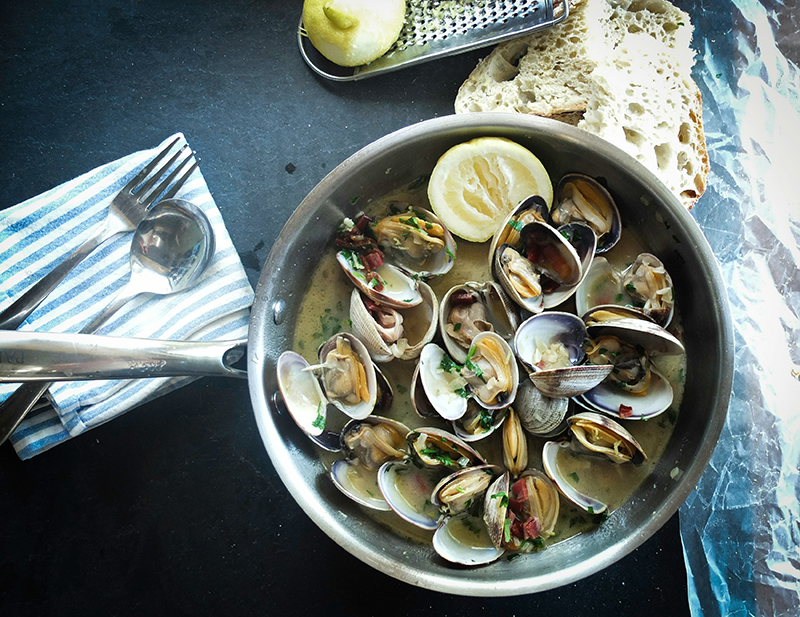
Serving Glaswegians since 1875, Val'd'oro dishes up some of the best traditional fish suppers in the city, complemented by a range of ice creams and desserts.
Having fed the hungry capital since 1970, La Lantera remains owned by the same family and has racked up the prestigious 'Best Restaurant’ title on numerous occasions.
Simply put, Cail Bruich is one of Glasgow's best restaurants, offering 5- and 7-course tasting menus alongside an equally brilliant lunch service. Reservations are essential.
A Glasgow icon since 1990, Mother India, its cafe, and deli are all equally worth a visit. For the fullest menu, head upstairs at the Westminster Terrace venue for an evening.
SOPHISTICATED AND CREATIVE
Scottish drinks are as diverse as its cuisine, ranging from world-renowned spirits to beloved soft drinks.
The most famous is whisky, a distilled spirit that has put Scotland on the global map. Made primarily from barley, it is aged for a minimum of three years in oak casks, giving it a rich variety of flavors, from smoky Islay whiskies to the smoother, sweeter drams of the Highlands and Speyside. Single malts, blends, and grain whiskies all have distinct characteristics, with each region offering unique tastes.
In addition to whisky, Scotland has a long tradition of beer brewing. Scottish ales, particularly heavy ales and Scottish stouts, are popular, often known for their rich maltiness and lower alcohol content compared to their English counterparts. The country is home to many craft breweries, offering a range of lagers, IPAs, and seasonal brews.
For non-alcoholic options, Irn-Bru stands out as Scotland’s unofficial national drink. This bright orange, slightly citrus-flavored soda is beloved for its distinctive taste and is often seen as a counterpoint to Coca-Cola.
The coffee scene has exploded in recent years too, although for a traditional hot drink at the football you might find punters enjoying Bovril, a beef-extract based drink. Finally, cloudy lemonade and Scottish fruit cordials made from local berries like elderflower or rowan are traditional, refreshing alternatives to fizzy drinks, often served chilled.


A fixture in Glasgow since 1884, the Horseshoe Bar is known for the unique shape of its 100ft bar - one of the longest in Europe - and its ornate Victorian decor.

Regularly voted one of the UK's best 50 cocktail bars, this Vincent van Gogh-inspired speakeasy is well hidden in Glasgow's Merchant City

This is one of the last remaining Victorian 'palace pubs' in Glasgow, located between the city centre and Ibrox and well worth a visit.

One of Glasgow's most welcoming pubs still retains the bar/lounge split of its 60s heyday, and is worth visiting for a pint at any time of the day or night.
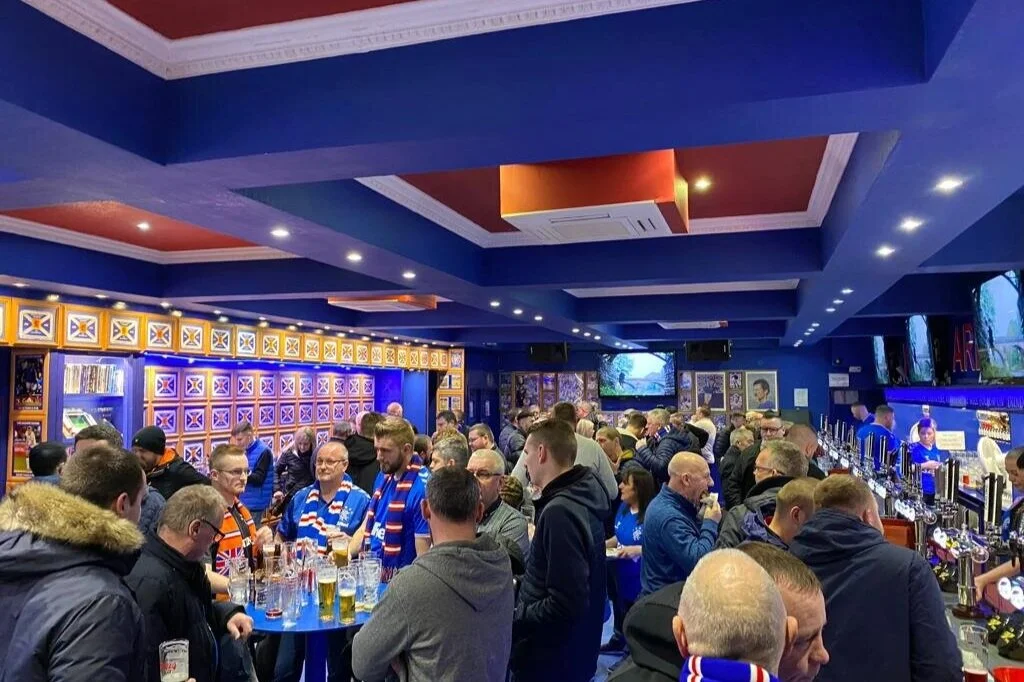
This famous themed pub on Ibrox's doorstep is only open (and always packed) on matchdays. It can be difficult to get in for non-locals, but well worth a look if you can.
Union Bears
Rangers' most prominent supporter group is the Union Bears, known for their strong presence and dedicated singing section at Ibrox.
The Union Bears have gained attention for their large-scale displays, including banners, flags, and choreographed pyro shows. They now occupy the front of the Copland Road Stand at Ibrox.


Don't be surprised to hear Tina Turner's 'Simply the Best' played loudly before kick-off - it's been synonymous with the club since the '90s, when they won nine titles in a row. A few other chants are sung without accompaniment:
We Are the People
We are the people, (CLAP X 5)
Follow, Follow
Though the straits be broad or narrow, follow we will,
Follow we will, follow we will,
If the straits be broad or narrow, follow we will,
We will follow in the footsteps of our team
Follow follow, we will follow Rangers,
Everywhere, anywhere,
We will follow on,
Follow follow, we will follow Rangers,
If they go to Dublin we will follow on.
For there's not a team like the Glasgow Rangers,
No not one, and there never shall be one,
Celtic know all about their troubles,
We will fight till the day is done.
For there's not a team like the Glasgow Rangers,
No not one, and there never shall be one!
Glasgow is a vibrant, cultural hub in Scotland, known for its rich history, diverse architecture, and lively arts scene. Visitors can explore iconic landmarks like the Kelvingrove Art Gallery, the Riverside Museum, and the Glasgow Cathedral. The city boasts world-class shopping on Buchanan Street and a thriving food scene, with everything from traditional Scottish fare to international cuisine.
Glasgow is also renowned for its music scene, with venues like the Barrowlands and King Tut's Wah Wah Hut hosting legendary performances. The warm, friendly locals and the city's dynamic atmosphere make Glasgow a must-visit destination.
CURRENCY: GBP
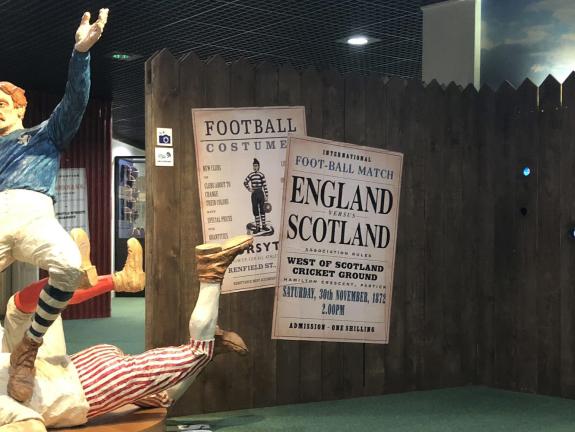
Located in Hampden Park, Scotland's national football stadium, the country's national football museum is one of the most important football-related museums in the world.

Opened in 1901, Kelvingrove's Spanish Baroque-style architecture is grand and beautiful, both inside and out. It's an amazing place to browse some truly diverse collections.
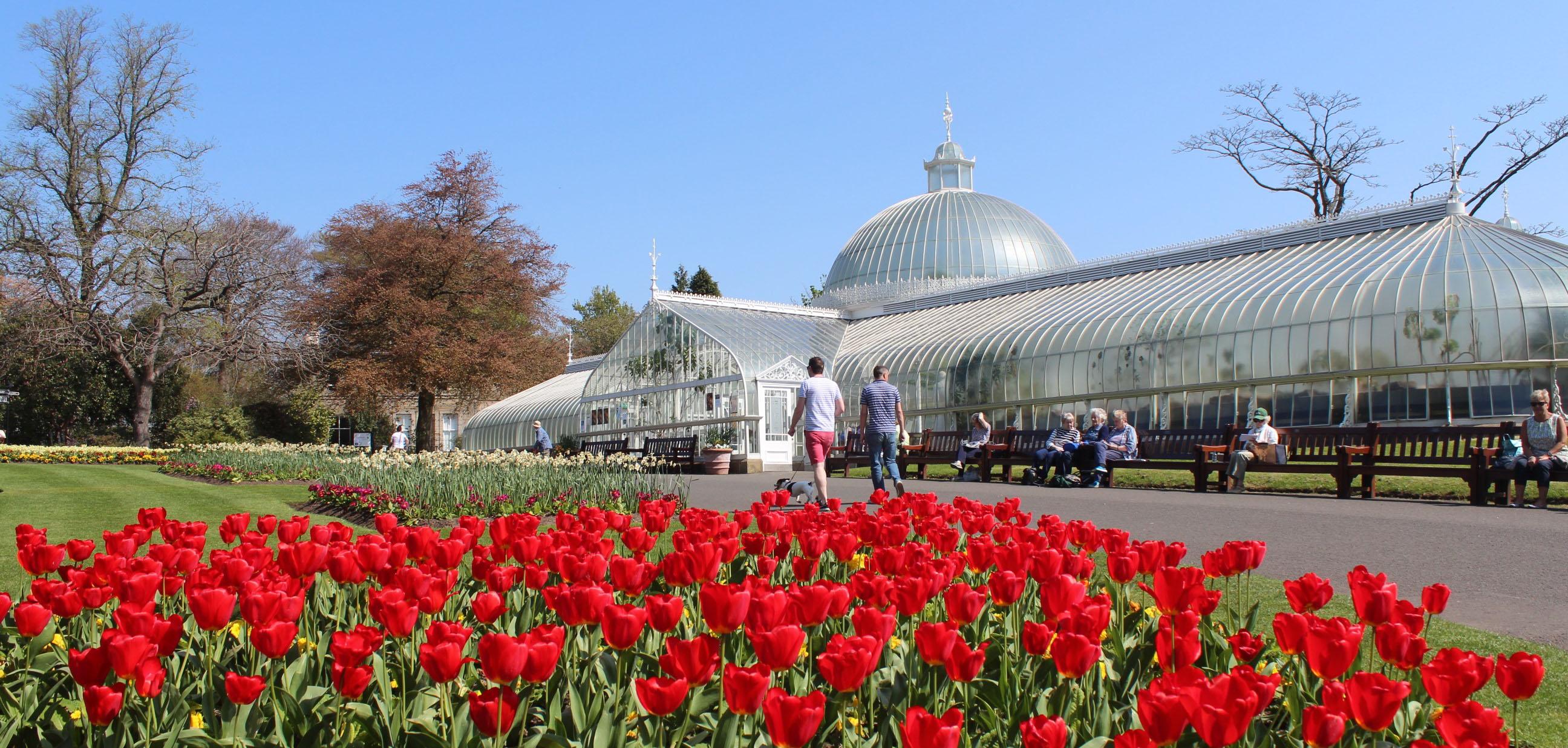
In addition to 9,000 plants and a stunning Victorian glasshouses, the Botanics has over 20 hectares of landscaped grounds to explore, much it along the beautiful River Kelvin.

Next to Glasgow Cathedral, the Necropolis was modelled on Père-Lachaise in Paris. It is estimated that as many as 50,000 burials have taken place here, with around 3,500 tombs.