ABOUT
Historically shaped by coal mining and steel production, Dortmund today blends industrial heritage with modern technology, research, and green spaces. Cultural highlights include museums, theatres, and the revitalised Phoenix See waterfront. With extensive parks like Westfalenpark and strong transport links, Dortmund offers a dynamic mix of sights and experiences with its internationally-renowned football club, Borussia Dortmund, chief among them.
Borussia Dortmund are one of Germany’s most successful and popular football clubs, known for its passionate 'Yellow Wall' fanbase and attacking style of play. Founded in 1909, the club plays their home matches at the iconic Signal Iduna Park, the largest stadium in Germany, which is renowned for its electric atmosphere. The club’s ultras fill the Südtribüne (South Stand) and are famous for their incredible support and choreographed displays.
Dortmund has won multiple Bundesliga titles, DFB-Pokals, and even the prestigious UEFA Champions League in 1997. The club is also known for its development of young players, playing a key role in the careers of world-class talent like Marco Reus, Erling Haaland, and Jude Bellingham. With a rich history, fierce rivalries (especially with Schalke in the Revierderby), and a dedication to high-tempo, attacking football, Borussia Dortmund remains a force in both German and European football.

Borussia Dortmund

You can independently buy official tickets for a Borussia Dortmund fixture through the advance ticket sale website. Tickets normally go on sale at 8.30am CET / 9.30am GMT. You can also ring the call centre to buy tickets. You don’t need to register as a member to buy tickets. However, if you want to sit in the Yellow Wall (South Stand) then you would need to become a paying member for a €60 fee to get access to the member ticket sale ahead of the non-member ticket sale. If you are buying multiple tickets then you can buy up to four tickets per transaction.
MEMBERSHIP
Becoming a member:
Create an account at https://www.bvb.de/eng/BVB/Membership/Become-a-member for free
Enter your details including first name, last name and date of birth to register.
As well as preferential ticket sale access, the membership will give you the right to vote, a personal membership card
If you have any issues with your membership, support is available by emailing mitglieder@bvb.de
Even if you have registered for a membership, you will need to find the right match to buy for.
BUYING TICKETS
All tickets are sold via advance ticket sale
You can keep up to date with all the latest forthcoming advance ticket sales dates by subscribing to the newsletters from Borussia Dortmund. The following link leads to the BVB-Ticket-Newsletter.
You can also use the BVB-App in order to get the latest ticket information and advance sales dates on your mobile phone.
Tickets cost anywhere between €20 and €70
Tickets typically go on sale 4-6 weeks before the fixture.
Member sales go before non-member sale.
For the top categorised matches non-members can purchase two tickets together. For all other home matches, you can buy four tickets per transaction.
If you’re willing to stump up the cash, corporate hospitality options are available from £500
TOP TIP
To get in the Yellow Wall, you'll need to pay for a membership and be ready to buy tickets for your preferred match as soon as tickets go live. This is one of the only ways to secure a spot in this famous stand.


There isn’t a bad seat in the house of the 81,000 capacity Signal Iduna Park (previously known as Wesltfalenstadion) but if you want to experience the iconic Yellow Wall you’ll need to sit in the South Stand.
There are a few sections to note:
126 – 128 should be avoided as these are for the loyal hardcore fans who won’t take kindly to tourists, but sitting near these sections will provide a great atmosphere – however, you likely won’t be able to get a ticket here.
60, 61, 08, 70, 75 and 55-59 are typically the designated away areas so may not be on sale via Borussia Dortmund’s website.


Borussia Dortmund’s Signal Iduna Park stadium tours offer fans a chance to explore the club's rich history and experience behind-the-scenes areas such as the players' tunnel, dressing rooms, and the famous Yellow Wall. Tours last approximately 90 minutes and are available in both German and English.
Ticket prices for the tour are around €15 for adults and €10 for children. There are also family tickets and special discounts available. It's recommended to book in advance, especially on matchdays when demand is high.
To book your tour, visit the official Borussia Dortmund website: https://www.bvb.de/de/en/signal-iduna-park/stadium-tours.html.


Address: Strobelallee 50, 44139 Dortmund, Germany
Getting there
PUBLIC TRANSPORT INCLUDED IN TICKET
BVB match tickets are valid as a combined ticket for one round-trip journey on game day. With the ticket, you can use all non-surcharge local trains (2nd class) as well as all buses and trams of local transport companies throughout North Rhine-Westphalia (NRW). The DSW21 travel ticket can be ordered free of charge at DSW21 KombiTicket-Portal.
BY BIKE
The ADFC offers free bicycle guards directly at SIGNAL IDUNA PARK and two other locations for all championship home matches.
BY LIGHT RAIL
Lines U45, U42 and U46 serve the stadium:
The most important light rail line in the direction of SIGNAL IDUNA PARK is the U45 (Fredenbaum - Hbf - Westfalenhallen), which runs at least every five minutes between the Hauptbahnhof and Stadion stops from around three hours before the start of the match and up to 90 minutes after the end of the match. Later on, the streetcars run every 15/20 minutes until at least 11.30 pm.
The U42 (direction Hombruch) and U46 (direction Westfalenhallen) light rail lines also go near the stadium. The nearest stops are Theodor-Fliedner-Heim (U42) and Westfalenhallen (U46).
BY BUS
Bus routes 450, 452 and 448
Bus route 450 between Kirchhörde and Westfalenhallen runs additional services on matchday. There will also be additional buses on route 453 (“Löschteich-E-Wagen”) from Schüren/Aplerbeck to the Westfalenhallen and on route 448 from Barop Parkhaus in the direction of Kruckel.
BY TRAIN
There are ICE connections from the east (Berlin, Wolfsburg, Hanover, Bielefeld) and south (Mainz, Frankfurt, Stuttgart, Nuremberg and Munich). IC trains from the north (Hamburg and Bremen) run every hour. From the main station, either take the regional train to SIGNAL IDUNA PARK station or the subway to Westfalenhalle/Stadion.
Information on all connections can be found at Verkehrverbund Rhein-Ruhr (VRR).
BY CAR
From the north: A1 to Dortmund-Unna junction, A44/B1 direction Dortmund
From the east: A2 to Dortmund-Nordost junction, B236 towards Schwerte, B1 towards Dortmund
From the south: A45 to Dortmund-Süd junction, B54 towards Dortmund
From the west: A40/B1 direction Dortmund
There are over 10,000 paid parking spaces available around SIGNAL IDUNA PARK and the Westfalenhalle. Tickets can be purchased on site or online. You can also use our shuttle service from the university grounds from the Otto-Hahn-Straße parking lot (A45 exit Eichlinghofen or B1 exit Barop).
University shuttle bus to SIGNAL IDUNA PARK
The Uni-Shuttle runs between the university and the bus stop “Theodor-Fliedner-Heim”. It is possible to park there, the bus will then take you to the stadium: The parking lot is located on Otto-Hahn-Straße (A45 exit Eichlinghofen or B1 exit Barop). You can find more information about P&R options here (source: City of Dortmund)
If you do have to travel by car, for the sake of the environment, try to carshare and minimize the number of cars on your journey. For a sustainable journey by car, our automotive partner ROSIER will provide you with suitable e-mobility.


A 4-star hotel located in the heart of Dortmund and an ideal option for those wanting to stay central and close to the city's attractions. Rooms start from £90 per night.

For budget-conscious travellers, a&o Dortmund Hauptbahnhof offers dormitory accommodation near Dortmund’s central train station and major city sights.

An upscale hotel with modern amenities and stylish rooms, ideal for those wanting both comfort and proximity to the stadium.

A budget-friendly option with rooms starting around £65 per night, located near the Westfalenhallen exhibition center and just a short walk from Signal Iduna Park.

RUSTIC, COMFORTING FOOD
Dortmund's cuisine reflects the hearty flavours of traditional German food combined with international influences. As part of the Ruhr region, Dortmund is known for dishes like schnitzel, bratwurst, and Westphalian ham taking centre stage. Local specialties include pfefferpotthast, a traditional beef stew with onions and pepper, and salzkuchen mit mett, a salted bread roll filled with raw minced pork.


Known for its steakhouse-style menu, Pfefferkorn offers high-quality steaks, burgers, and traditional German dishes, all served in a warm, rustic atmosphere.

Strong Syrian influences mean Rabbie Alscham's shawarma is some of the very best around and this is a popular spot for delicious kebabs and Middle Eastern cuisine.

A traditional German pub-restaurant serving hearty regional dishes like schnitzel, sausages, and local beers in a cozy, old-world charm setting.
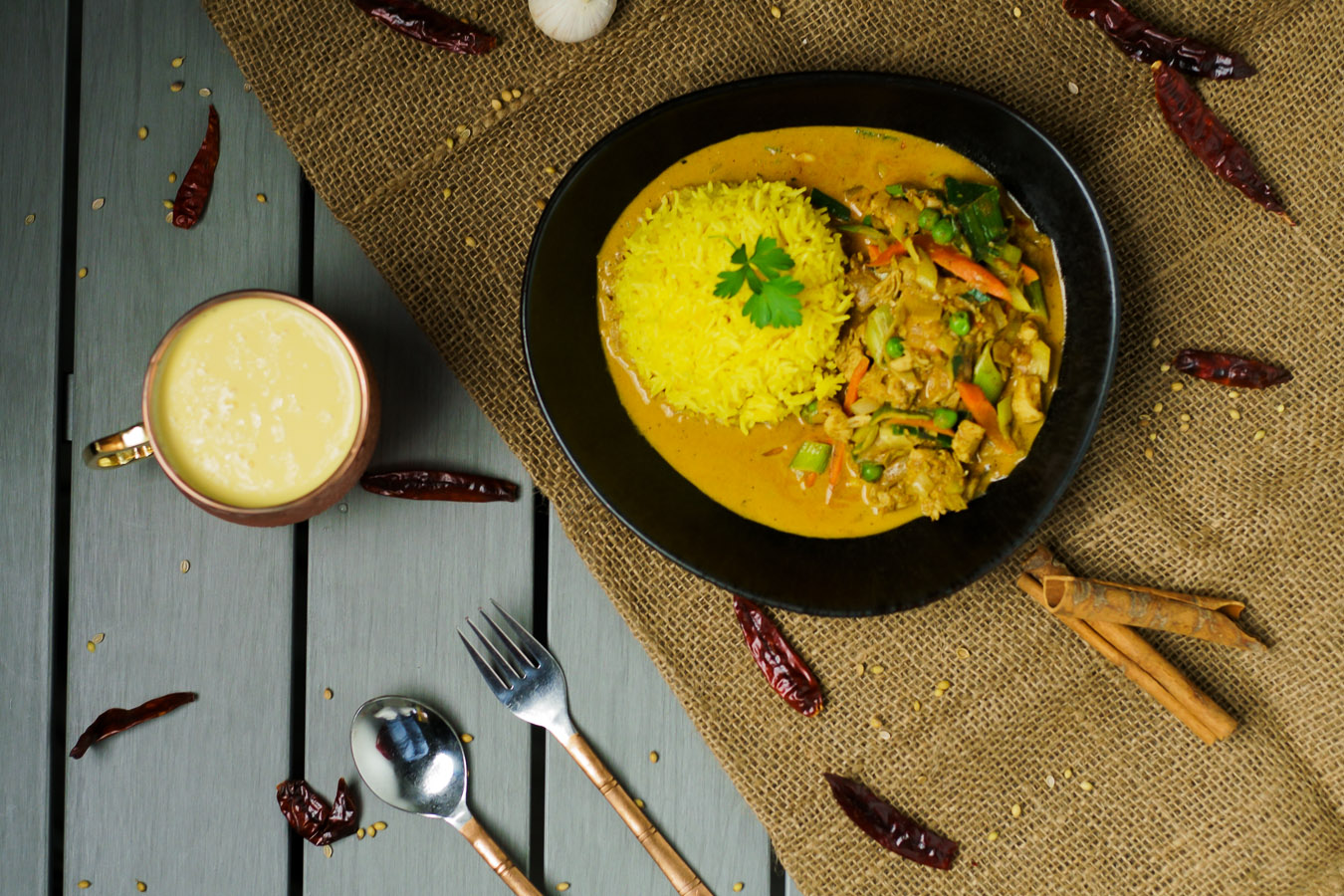
Curry Masala is a family-run restaurant near Signal Iduna Park offering a range of flavourful Indian dishes. It’s a great option for a pre-game or post-game meal.

MARKET SQUARES AND BEER GARDENS
Drinking in Dortmund offers a vibrant and varied experience, with options ranging from traditional pubs to lively beer gardens. In the city centre, the Alter Markt is a popular gathering spot for Borussia Dortmund fans and locals, featuring numerous bars and pubs offering a lively pre-match atmosphere. Here, visitors can enjoy a pint of local Dortmunder Export, the city’s famous pale lager, alongside other German beers.
On matchdays, many fans head to Signal Iduna Park early to enjoy the cheap beer available inside the stadium, which can even be taken to your seat during the game - a unique experience that adds to the fan culture.
If you're walking to the stadium, pubs like Luups and Mit Schmackes (owned by former Dortmund player Kevin Großkreutz) provide excellent stops to grab a beer and some food before the match. These bars are popular with fans making their way to the stadium and offer a welcoming atmosphere.
In addition to football-related spots, Dortmund’s beer gardens and traditional "Kneipen" (pubs) are scattered across the city, allowing visitors to enjoy the city's brewing heritage at their own pace.


Many fans gather in the city centre around the lively pubs and bars of Alter Markt before the game, creating a great atmosphere with plenty of options for beer and socialising.

Fans often head to the stadium early for cheap beers in the ground. The beer is not only affordable but also allowed in the seats during the game. Popular choice for die-hard fans.
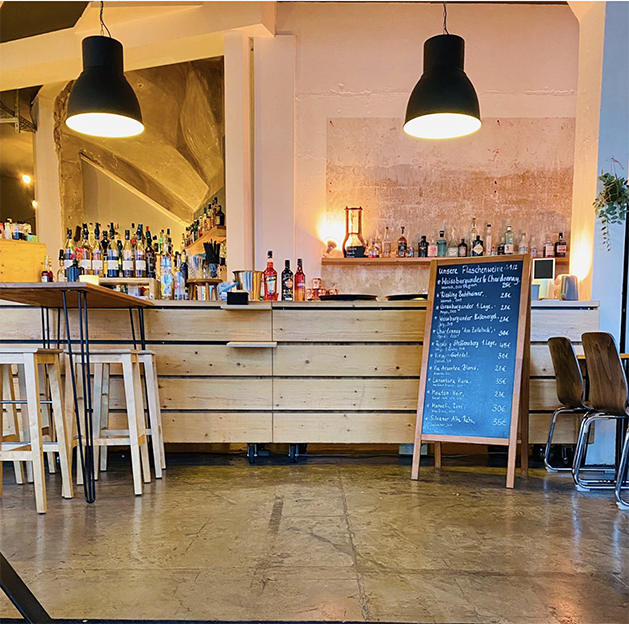
For those walking to the ground, Luups is a great place to stop along the way. With a relaxed vibe, it serves both drinks and food, making it a perfect stop to grab a beer or bite.

Mit Schmackes is owned by former Dortmund player Kevin Großkreutz, making it a favorite spot for fans looking to enjoy some football culture before the game.

The Yellow Wall
Dortmund fans are known for their intense passion and unwavering support, particularly at their home ground, Signal Iduna Park, which boasts one of the most famous atmospheres in European football. The stadium’s Yellow Wall (Südtribüne), a massive standing terrace that holds over 24,000 fans, is where the heart of Dortmund's ultras gather. These supporters create an electric atmosphere with loud chanting, choreographed displays, and vibrant flags.
The ultras groups, notably The Unity and Desperados, are deeply embedded in the club's fan culture, known for their dedication to supporting Borussia Dortmund both home and away. Their displays of loyalty are unmatched, creating a unique experience that rivals some of the best in football.
The fans pride themselves on their connection to the club's working-class roots, with many viewing Dortmund as more than just a team, but a symbol of community. While the ultras maintain a strong sense of identity and passion, they also place an emphasis on fan independence, opposing commercialization and standing firmly for fan rights


One of the most iconic Borussia Dortmund fan chants is “Heja BVB”, a rallying cry that’s heard throughout Signal Iduna Park on matchdays.
German:
Heja BVB!
Heja BVB!
Wir sind alle verrückt,
nach der Borussia vom BVB!
English:
Heja BVB!
Heja BVB!
We are all crazy,
about Borussia from BVB!


Other than football, there's not much to see for a tourist visiting Dortmund.
Dortmund is one of many clubs in the North Rhine-Westphalia region of Germany, and there is an opportunity to combine your trip to Dortmund with a visit to another club in the region – well connected by their rail network.
You could visit clubs such as Borussia Monchengladbach, Bayer Leverkusen, FC Schalke 04, FC Koln, Dusseldorf, Vfl Bochum, Arminia Bielefeld or MSV Duisburg amongst others who all play in this rich football region of Germany.
CURRENCY: EURO


Alter Markt is Dortmund’s historic central square, surrounded by restaurants, bars, and traditional architecture, creating a lively atmosphere.

The German Football Museum in Dortmund is one of the city’s top attractions for football fans. Opened in 2015, it showcases the history of German football. Adult tickets from €19.

Westfalenpark is a vast green space featuring gardens, ponds, and the iconic Florian Tower viewpoint. Next to Signal Iduna Park, it is worth a stroll through before the game.


Greetings and basics
Good morning / Good evening – Guten Morgen
Guten Abend Do you speak English? – Sprechen Sie Englisch?
I'm sorry, I don't speak German well – Es tut mir leid, ich spreche nicht gut Deutsch.
Can you help me, please? – Können Sie mir bitte helfen?
How much does it cost? – Wie viel kostet das?
Where is…? – Wo ist…?
I would like to order… – Ich möchte … bestellen.
Is there an ATM nearby? – Gibt es einen Geldautomaten in der Nähe?
Can I pay by card? – Kann ich mit Karte bezahlen?
I'm lost – Ich habe mich verlaufen.
Excuse me – Entschuldigung
Is it far from here? – Ist es weit von hier?
What time is it? – Wie spät ist es?
Thank you very much! – Vielen Dank!
Stadium and transport
Where is the stadium? – Wo ist das Stadion?
How do I get to Signal Iduna Park? – Wie komme ich zum Signal Iduna Park?
I need a ticket – Ich brauche ein Ticket
Where can I buy tickets? – Wo kann ich Tickets kaufen?
How much does a ticket cost? – Wie viel kostet ein Ticket?
Is the game sold out? – Ist das Spiel ausverkauft?
Where is the entrance? – Wo ist der Eingang?
Where is the toilet? – Wo ist die Toilette?
Can I take my drink with me? – Darf ich mein Getränk mitnehmen?
Where is the South Stand (Yellow Wall)? – Wo ist die Südtribüne?
Can I buy beer here? – Kann ich Bier hier kaufen?
What time does the match start? – Wie spät beginnt das Spiel?
Who is playing today? – Wer spielt heute?
Excuse me, where is the exit? – Entschuldigung, wo ist der Ausgang?
When is the best time to head to the stadium? – Wann ist die beste Zeit, um zum Stadion zu gehen?
How much are tickets? – Wie viel kosten die Tickets?
Where can I buy tickets? – Wo kann ich Tickets kaufen?
Which row is this? – Welche Reihe ist das?
Where are the toilets? – Wo sind die Toiletten?
Can I bring this backpack in? – Kann ich diesen Rucksack mitnehmen?
Do I need ID to get in the ground? – Brauche ich einen Ausweis, um ins Stadion zu kommen?
How much is a beer? – Wie viel kostet ein Bier?
Goal! – Tor!
Great save! – Klasse Parade!
Referee! – Schiedsrichter! / Schirre!
Foul! – Foul!
Well done! – Gut gemacht! / Sehr gut!
Wo ist die U-Bahn-Station? – Where is the subway station?
Wo ist der Bahnhof? – Where is the train station?
Wie komme ich zur Innenstadt? – How do I get to the city center?
Ich möchte ein Taxi bestellen. – I would like to order a taxi.
Gibt es einen Bus in diese Richtung? – Is there a bus in this direction?
Wie lange dauert die Fahrt? – How long does the ride take?
