ABOUT
Milan - and its cathedral of football - are worthy of a pilgrimage at any time of year. The European capital of fashion, divided between the two clubs that represent more than a million people, is steeped in football heritage and makes for an excellent city break of any length.
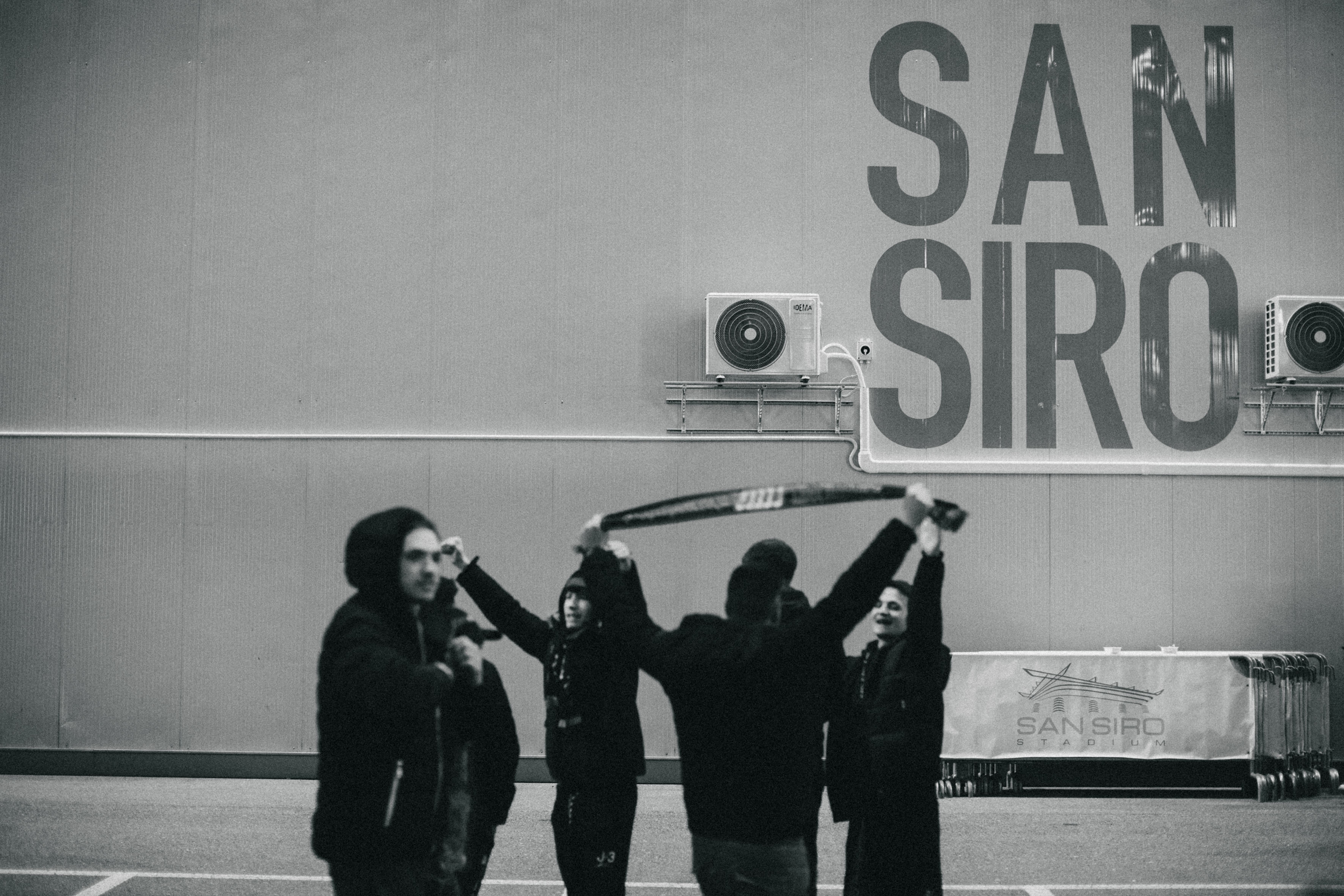
The benefit of AC Milan and Internazionale sharing a stadium - the Stadio Guiseppe Meazza, or San Siro, as it's commonly known - means that you're highly likely to be in town when there's a game on. San Siro's vast size, with a capacity of 76,000, is only matched by the fervour of its fans, so you need to be well organised to get tickets.
These are two of the biggest clubs in Italy, in a region, Lombardy, that has provided more participants clubs in Serie A than any other. Football is a tradition and a way of life, and the Milan talent factory has produced some of Italy's greatest ever players: Maldini, Baresi, Costacurta; all synonymous with AC Milan's dominance of the top flight in the 1990s. They have also won the European Cup/Champions League seven times, second only to Real Madrid.
Milan's most recent league title was in 2021-22, while Inter’s came in 2023-24, winning their 20th title. Inter - the only club never to have been relegated from Italy's top league since their debut in 1909 - also completed a famous treble (league, cup and Champions League) under Jose Mourinho is 2009-10. Inter games at the San Siro boast the highest home attendances in Italy (though only by a few hundred from Milan).

AC Milan

All tickets are sold via the Milan website or their official partner site, Vivaticket, and it’s not advisable to use third-party ticket sites. It's highly unlikely you'll be able to get tickets when Milan play their city rivals - ticket requests generally exceed 1 million before those matches, although the club also operate an official resale platform.
Milan tickets typically go on sale a few weeks before each match. For Serie A fixtures, tickets are generally available around 3-4 weeks before the game. Champions League or high-profile matches may have different release schedules, with tickets sometimes available earlier for members and season ticket holders. Matches against big rivals can sell out fast, so book early.
Prices also vary accordingly: for Serie A games, they typically start around €30-€50 for lower-tier seating and can go up to €100-€150 for mid-range seating. For more significant games, like derby matches against Inter Milan or crucial Champions League fixtures, prices can range from €70-€150 for lower tiers, and premium seats may exceed €200-€300. VIP and Hospitality packages are inevitably much higher, often starting at €300 and going up significantly based on the services included.
THE PROCESS
All ticket types are available at https://booking.acmilan.com/en.
Whether you're choosing an in-demand game or not, you'll need to register with the club via 'MyMilan' to be able to purchase tickets online directly: https://www.acmilan.com/en/fans/mymilan. This is the most reliable source and you can purchase up to four tickets for a game.
You will receive the ticket by email to the address linked to the MyMilan account used for the online purchase.
You'll need to register/create an account with Vivaticket if you choose to purchase there instead.
Milan also have a membership plan - the CRN card - that gives priority access to tickets and potential discounts, which may be worth considering if you want to early access to tickets for a game that's likely to be popular, or you want to go to San Siro more than once (https://www.acmilan.com/en/tickets/crn-card).
If tickets are sold out, you can use AC Milan's official ticket resale platform.
You can also buy tickets in person at the San Siro Stadium Ticket Office (located at the stadium), though it’s generally recommended to buy online in advance to secure your seat, especially for high-demand matches.


There aren’t many bad places to sit in the San Siro, so it’s mainly a matter of what you're looking for in terms of atmosphere and comfort.
A few areas to note:
Curva Sud: Behind one of the goals and where the ultras sit. It's unlikely you'll be able to get with them if you're buying tickets via official channels, but the lower tier and upper corners of Curva Sud do tend to be available on general sale.
Tribuna Arancio (Orange Stand): offers a great view of the pitch - it’s a bit quieter than the Curva Sud, but still lively.
Central Seats: seats in the first tier, listed on the interactive maps as 'armchairs' are towards the middle of the pitch and offer the best view outside of hospitality areas.


Tours of the stadium and museum are best booked on the San Siro website: https://www.sansirostadium.com/en/museum-tour
The tours cost €36 at regular price and €26 for concessions (under 14s and over-65s), with a 4-person family ticket also available at €25 per person.
Tickets are best bought online as doing enables you to skip the queues, although you can also get them from the outdoor ticket office at Gate 8 of the stadium.
Tours include the San Siro museum and stadium access to both Milan clubs' changing rooms, the mixed zone, the tunnel and pitch-side photo opportunities.
Private Tours in Italian, English, French, German, Spanish, Portuguese, Indonesian, Chinese, Japanese, Arabic and Russian can be reserved by contacting the stadium offices on tour@sansirostadium.com or +39 02 4042 432
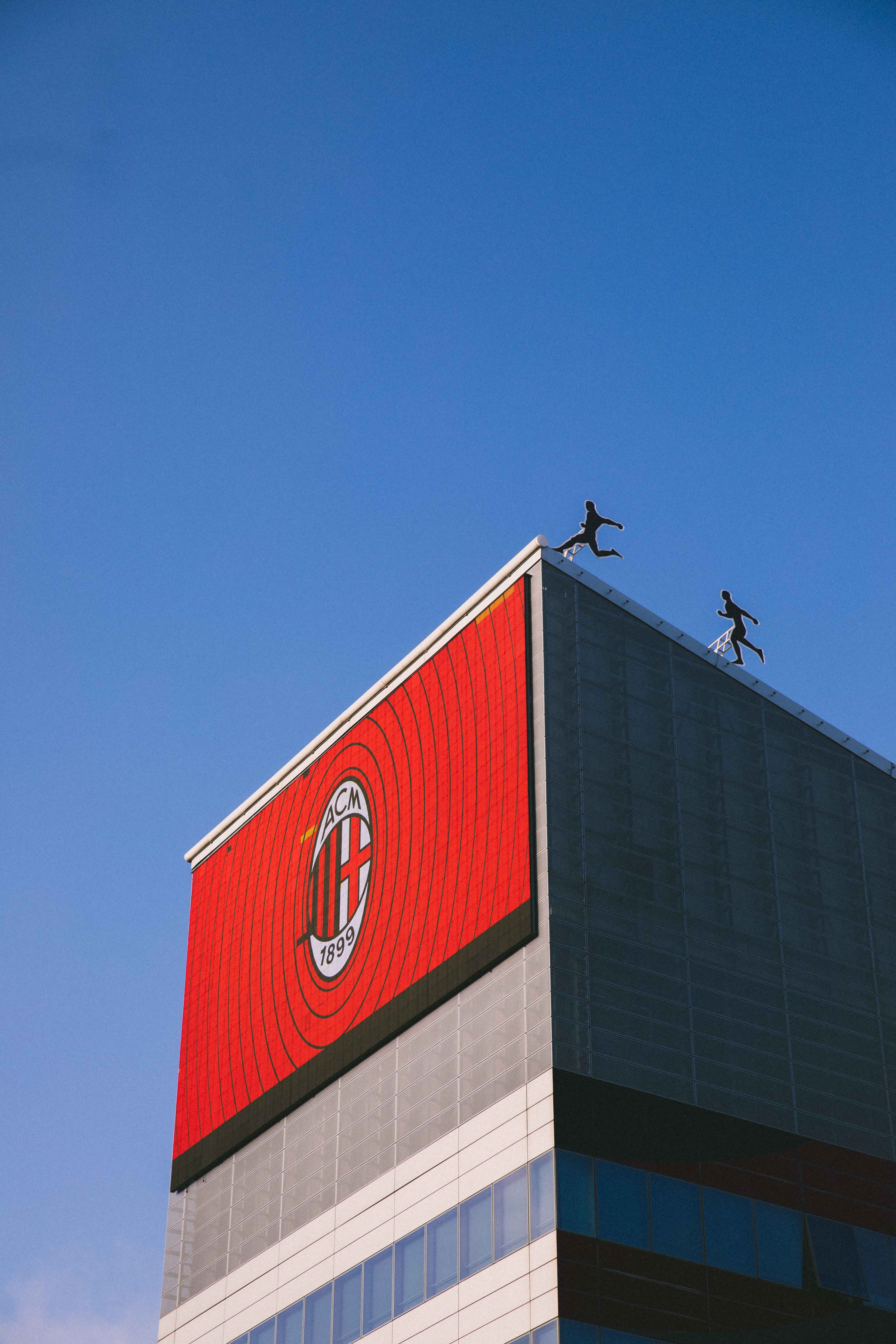

Address: Stadio Giuseppe Meazza, Piazzale Angelo Moratti, 1, 20151 Milano
San Siro is well-served by public transport, with the most convenient options being:
UNDERGROUND
Line 5 (Purple line) on the Underground to the 'San Siro Stadio' stop.
BUS
The Line 49 bus from Piazza Tirana to Via Harar.
TRAIN
The Line 16 train from Piazza Fontana to Piazzale Axum terminal.
The stadium website has excellent guidance on getting there on all modes of transport: www.sansirostadium.com/en/stadium/How-to-get and also on how to navigate once you arrive: www.sansirostadium.com/en/stadium/Structure


Rooms range from a standard double up to a deluxe offering which includes a private sauna. A few floors up, the glazed terrace bar and restaurant offers comfortable respite.

Offers two beautiful gardens, one at street level and another six stories up. Central Milan is easily walkable or the Metro is 200m away.

A vibrant hostel located near the city centre with both dormitory and private rooms. It has a friendly atmosphere, wifi everywhere, a garden and a bar with events programme.

A 4* hotel on a quiet street with plenty of restaurant and bar options nearby. Berna has comfortable rooms, a good breakfast, and is conveniently located for exploring the city.


A VIBRANT BLEND OF TRADITION AND INNOVATION
Milan's cuisine is deeply rooted in the Lombardy region's agricultural bounty. Characterised by hearty dishes, it often features risottos, with Risotto alla Milanese being the most famous, distinguished by its saffron hue. Polenta is another staple, served alongside rich stews or grilled meats.
The city is also renowned for its savoury pastries, like the iconic Panettone, a festive bread filled with candied fruits. Another local favourite is Cotoletta alla Milanese, a breaded veal cutlet, typically served with a wedge of lemon.
Milan's dining scene embraces modern interpretations of traditional dishes, with many restaurants pushing culinary boundaries while respecting local ingredients. The aperitivo culture is integral to the Milanese lifestyle, where locals gather to enjoy drinks and small bites before dinner.
Milan is also a hub for international cuisine. This fusion of classic and contemporary, alongside a focus on high-quality ingredients, means Milan's culinary landscape has something for both traditionalists and adventurous food lovers.


The many food trucks that line the approach from metro station to stadium offer paninos, burgers and pizzas, as well as local lager, at prices far below those you'll find inside.

AC Milan's premium hospitality service is the most elegant experience around. Pre-game dining, padded seats and former players guarantee a memorable exclusive experience.
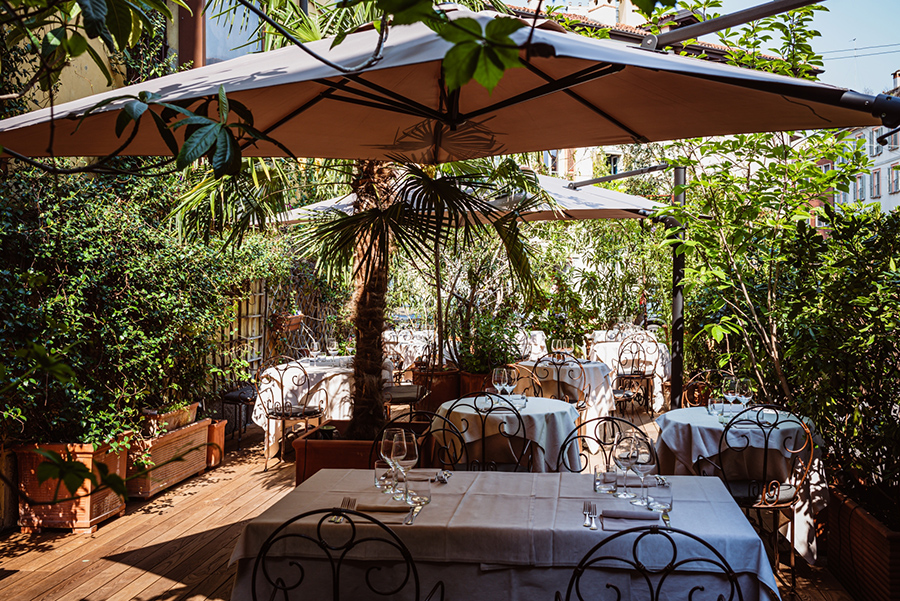
An oasis in the heart of the city and a wonderful place to kick back and relax. The accompanying speakeasy, Tencitt, featured in Stanley Tucci's TV series ‘Searching for Italy’.

Slotted into a courtyard opposite the gold-covered Prada museum, Bar Luce was designed by Wes Anderson to recreate a typical Milanese cafe. But the experience is far from typical.

SOPHISTICATED AND CREATIVE
The iconic aperitivo is central to Milanese social life, typically enjoyed in the early evening. This tradition involves sipping cocktails or wine while savoring complimentary snacks. Classic drinks include the Negroni and Spritz, both of which showcase local spirits like Campari and Aperol.
Wine lovers will find Lombardy’s vineyards producing exceptional wines, particularly the Franciacorta sparkling wine, often compared to Champagne. In addition, Barbera and Nebbiolo wines are popular choices that pair beautifully with local cuisine.
For coffee enthusiasts, Milan is home to the famous espresso culture, with bustling cafés serving expertly brewed coffee. The city's baristas take pride in their craft, making each cup a true experience. Craft beer is gaining popularity, with numerous microbreweries emerging, offering a range of innovative and traditional brews.
Additionally, Milan's nightlife features an eclectic mix of trendy bars and stylish cocktail lounges, making it a hotspot for both locals and visitors looking to unwind. This dynamic drinking scene perfectly complements Milan’s reputation as a cultural and culinary capital.


Tucked between the San Siro and the neighbouring horse racing track, enjoying a beer in the shadows of the stadium's gorgeous, swirling turrets is highly recommended.
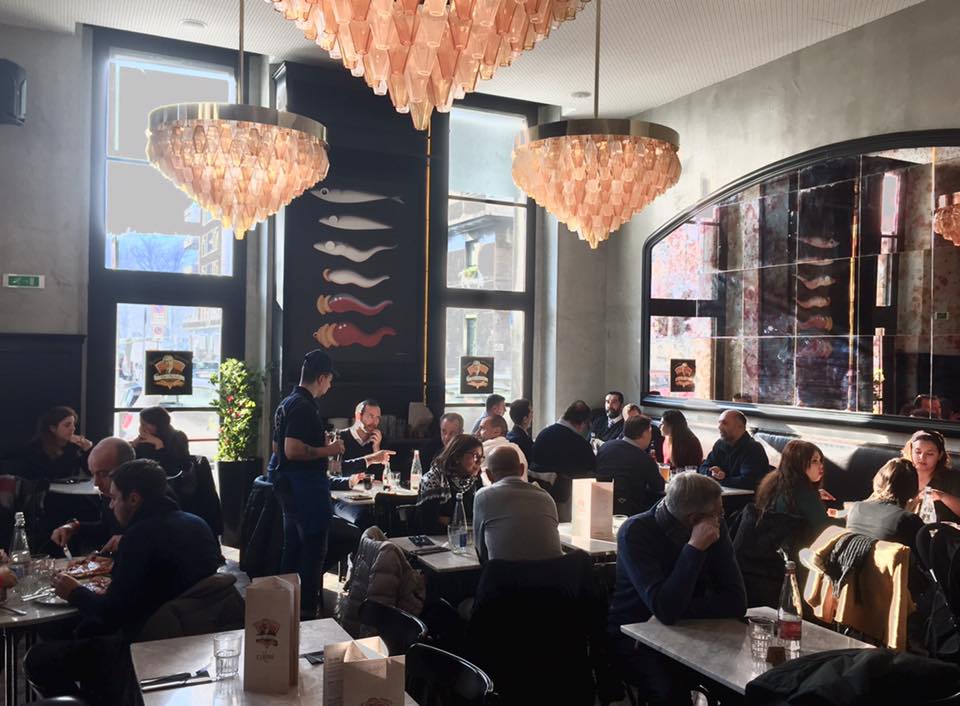
A great place for a pre-game meal and drink. It’s popular with fans and serves delicious pizza and local wines.
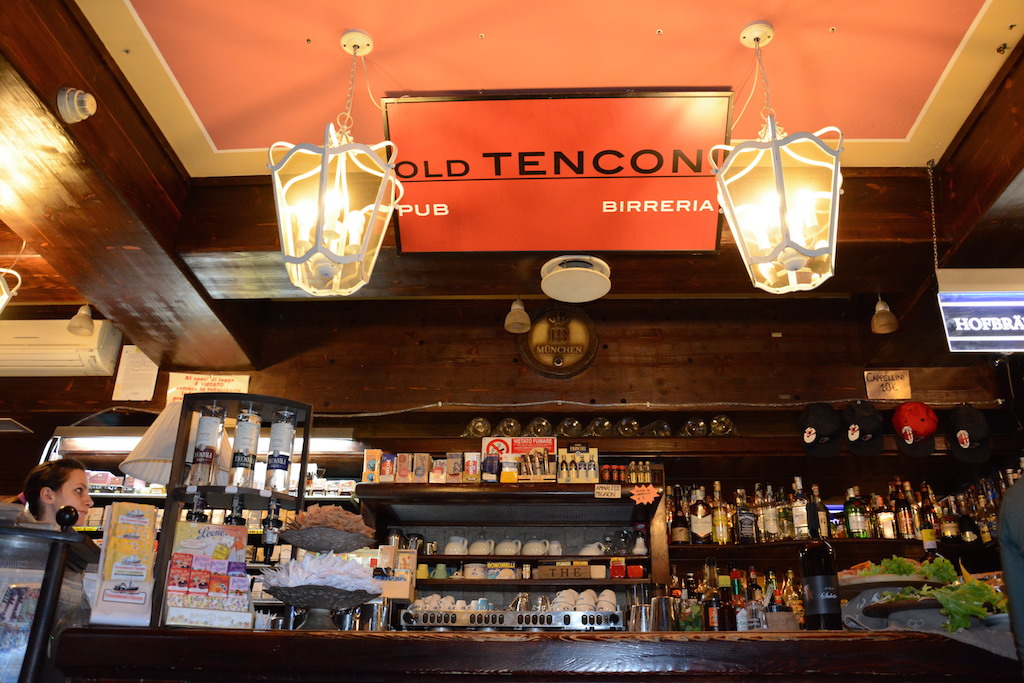
Handily close to the the San Siro, the walls of Old Tenconi are lined with screens showing live sport. A famous old pub - on this site since 1970 - also serves hot and cold food.

Takes its name from a bar on Antigua, rather than the team plying its trade at the City Ground, blending Far East, Caribbean and African décor to create a unique yet global style.

Supporters groups now exist as a united umbrella group, the Curva Sud Milano, which includes other AC Milan Ultras groups such as the Brigate Rossonere and the Guerrieri Ultras Curva Sud Milano (Ultras Warriors), which itself includes members of the Fossa dei Leoni.
Milan's supporters are most notable for their loyalty to the club and their connection to certain values, including their unwavering commitment to the club, anti-commercialism and solidarity with other Italian and European ultras groups, especially those that share similar values regarding fan culture and the independence of the supporters’ movement.


Oh Milan Alé
Oh Milan alé, oh Milan alé,
Oh Milan alé, oh Milan alé!
A simple, catchy chant repeated rhythmically, it's often used during matches to keep energy and momentum going.
'Chi Non Salta Interista È'
"Whoever doesn't jump is an Inter fan!"
Sung while jumping in unison, especially during the derby della Madonnina.
Forza Lotta Vincerai
"Forza lotta vincerai, non ti lasceremo mai!"
(Fight hard, you’ll win, we’ll never leave you!)
Curva Sud
"Siamo la Curva Sud, Milano siamo noi!"
(We are the Curva Sud, Milan is us!)
A number of chants simply pay homage to the Curva Sud, the heart of Milan fan support.
Rossonero È il Mio Cuore
"Rossonero è il mio cuore,
non smetterò mai di cantare!"
(Rossonero is my heart,
I’ll never stop singing!)
Celebrates the 'Rossoneri' (red & black) and is often sung with scarves raised.


Milan, Italy’s fashion and design capital, is a bustling metropolis known for its rich history and modern vibrancy. Renowned for iconic landmarks like the stunning Duomo di Milano and the historic La Scala opera house, the city blends tradition with contemporary flair.
Milan is a hub for art and culture, hosting the famous Milan Fashion Week and the prestigious Museo del Novecento. Its culinary scene, from elegant restaurants to lively aperitivo spots, showcases both local and international flavours. With a dynamic nightlife and thriving business district, Milan attracts visitors seeking creativity, style, and a taste of Italian elegance.
CURRENCY: EUROS


This Gothic cathedral is the heart of the city, known for its intricate architecture and beautiful stained glass windows. Rooftop access offers breathtaking views of Milan.

Home to Leonardo da Vinci’s masterpiece, The Last Supper, which is located in the refectory of the convent. To note: you must cover your shoulders and knees to visit.

One of the world's oldest shopping galleries, this stunning glass-covered arcade features luxury shops, cafes, and restaurants, perfect for soaking in Milan’s stylish atmosphere.

Surrounded by beautiful gardens and housing several museums and art collections, the castle's impressive architecture and expansive grounds make it great for a leisurely visit.


Greetings and basics
Buongiorno / Buonasera – Good morning / Good evening
Parla inglese? – Do you speak English?
Mi dispiace, non parlo bene l’italiano. – I’m sorry, I don’t speak Italian well.
Può aiutarmi, per favore? – Can you help me, please?
Quanto costa? – How much does it cost?
Dove si trova...? – Where is…?
Vorrei ordinare… – I would like to order…
C’è un bancomat vicino? – Is there an ATM nearby?
Posso pagare con carta? – Can I pay by card?
Dove si prende il taxi? – Where can I get a taxi?
Mi sono perso / persa. – I’m lost.
Mi scusi. – Excuse me.
È lontano da qui? – Is it far from here?
Che ore sono? – What time is it?
Grazie mille! – Thank you very much!
Stadium and matchday
Come posso arrivare allo stadio? – How can I get to the stadium?
Quando è meglio andare allo stadio? – When is the best time to head to the stadium?
Quanto costano i biglietti? – How much are tickets?
Dove posso comprare i biglietti? – Where can I buy tickets?
Qual è la fila? – Which row is this?
Dove sono i bagni? – Where are the toilets?
Posso bere al mio posto? – Can I drink in my seat?
Posso entrare con questo zaino? – Can I bring this backpack in?
Serve un documento per entrare allo stadio? – Do I need ID to get in the ground?
Quanto costa una birra? – How much is a beer?
Gol! – Goal!
Che parata! – Great save!
Arbitro! – Referee!
Fallo! – Foul!
Bravo! – Well done!


Internazionale
Tickets are sold via the Inter website or their official partner site, Vivaticket, and it’s not advisable to use third-party ticket sites. It's highly unlikely you'll be able to get tickets when Inter play their city rivals - ticket requests generally exceed 1 million before those matches, although the club also operate an official resale platform.
Inter tickets typically go on sale a few weeks before each match. For Serie A fixtures, tickets are generally available around 3-4 weeks before the game. Champions League or high-profile matches may have different release schedules, with tickets sometimes available earlier for members and season ticket holders. Matches against big rivals can sell out fast, so book early.
Prices also vary accordingly: for Serie A games, they typically start around €30-€50 for lower-tier seating and can go up to €100-€150 for mid-range seating. For more significant games, like derby matches against Inter Milan or crucial Champions League fixtures, prices can range from €70-€150 for lower tiers, and premium seats may exceed €200-€300. VIP and Hospitality packages are inevitably much higher, often starting at €300 and going up significantly based on the services included.
TOP TIP
The Inter Official App provides a quick and easy way to browse ticket availability and purchase tickets for matches. You can also get notifications about upcoming games and exclusive offers for season ticket holders.
THE PROCESS
Tickets are readily available on the club's official website: www.inter.it/en/tickets. You’ll need to create an account, log in, and follow the prompts to select your match, seat, and payment method. Different ticket categories (such as standard, premium, and VIP options) apply depending on the match and stadium availability.
Whether you're choosing an in-demand game or not, you'll need to register with the club to be able to purchase tickets online directly: https://my.inter.it/Registration. This is the most reliable source and you can purchase up to four tickets for a game.
You will receive the ticket by email to the address linked to the MyInter account used for the online purchase.
You'll need to register/create an account with Vivaticket if you choose to purchase there instead.
Inter also have a membership plan - the relatively inexpensive Siamo Noi card (€15 at time of writing, but then it's valid for six years) - that gives priority access to tickets and potential discounts, which may be worth considering if you want to early access to tickets for a game that's likely to be popular, or you want to go to San Siro more than once (https://www.inter.it/en/tessera_siamo_noi).
If tickets are sold out, you can use Inter's official ticket resale platform. Season ticket holders are able to put their seats up for sale for games they cannot attend.
You can also buy tickets in person at the San Siro Stadium Ticket Office (located at the stadium), though it’s generally recommended to buy online in advance to secure your seat, especially for high-demand matches.

There aren’t many bad places to sit in the San Siro, so it’s mainly a matter of what you're looking for in terms of atmosphere and comfort.
A few areas to note:
Curva Nord: Behind one of the goals and where the ultras sit. It's unlikely you'll be able to get with them if you're buying tickets via official channels, but the lower tier and upper corners of the stand do tend to be available on general sale.
Tribuna Arancio (Orange Stand): offers a great view of the pitch - it’s a bit quieter than the Curva Nord, but still lively.
Central Seats: seats in the first tier, listed on the interactive maps as 'armchairs' are towards the middle of the pitch and offer the best view outside of hospitality areas.


Tours of the stadium and museum are best booked on the San Siro website: https://www.sansirostadium.com/en/museum-tour/.
The tours cost €36 at regular price and €26 for concessions (under 14s and over-65s), with a 4-person family ticket also available at €25 per person.
Tickets are best bought online as doing so enables you to skip the queues, although you can also get them from the outdoor ticket office at Gate 8 of the stadium.
Tours include the San Siro museum and stadium access to both Milan clubs' changing rooms, the mixed zone, the tunnel and pitch-side photo opportunities.
Private Tours in Italian, English, French, German, Spanish, Portuguese, Indonesian, Chinese, Japanese, Arabic and Russian can be reserved by contacting the stadium offices on tour@sansirostadium.com or +39 02 4042 432


Address: Stadio Giuseppe Meazza, Piazzale Angelo Moratti, 1, 20151 Milano
San Siro is well-served by public transport, with the most convenient options being:
UNDERGROUND
Line 5 (Purple line) on the Underground to the 'San Siro Stadio' stop.
BUS
The Line 49 bus from Piazza Tirana to Via Harar.
TRAIN
The Line 16 train from Piazza Fontana to Piazzale Axum terminal.
The stadium website has excellent guidance on getting there on all modes of transport: www.sansirostadium.com/en/stadium/How-to-get and also on how to navigate once you arrive: www.sansirostadium.com/en/stadium/Structure

Rooms range from a standard double up to a deluxe offering which includes a private sauna. A few floors up, the glazed terrace bar and restaurant offers comfortable respite.
Offers two beautiful gardens, one at street level and another six stories up. Central Milan is easily walkable or the Metro is 200m away.
A vibrant hostel located near the city centre with both dormitory and private rooms. It has a friendly atmosphere, wifi everywhere, a garden and a bar with events programme.
A 4* hotel on a quiet street with plenty of restaurant and bar options nearby. Berna has comfortable rooms, a good breakfast, and is conveniently located for exploring the city.

A VIBRANT BLEND OF TRADITION AND INNOVATION
Milan's cuisine is deeply rooted in the Lombardy region's agricultural bounty. Characterised by hearty dishes, it often features risottos, with Risotto alla Milanese being the most famous, distinguished by its saffron hue. Polenta is another staple, served alongside rich stews or grilled meats.
The city is also renowned for its savoury pastries, like the iconic Panettone, a festive bread filled with candied fruits. Another local favourite is Cotoletta alla Milanese, a breaded veal cutlet, typically served with a wedge of lemon.
Milan's dining scene embraces modern interpretations of traditional dishes, with many restaurants pushing culinary boundaries while respecting local ingredients. The aperitivo culture is integral to the Milanese lifestyle, where locals gather to enjoy drinks and small bites before dinner.
Milan is also a hub for international cuisine. This fusion of classic and contemporary, alongside a focus on high-quality ingredients, means Milan's culinary landscape has something for both traditionalists and adventurous food lovers.
The many food trucks that line the approach from metro station to stadium offer paninos, burgers and pizzas, as well as local lager, at prices far below those you'll find inside.

Former Inter captain Javier Zanetti's restaurant specialises in meat, but caters for pescetarians and vegetarians too, as well as featuring memorabilia from former team-mates.
Slotted into a courtyard opposite the gold-covered Prada museum, Bar Luce was designed by Wes Anderson to recreate a typical Milanese cafe. But the experience is far from typical.
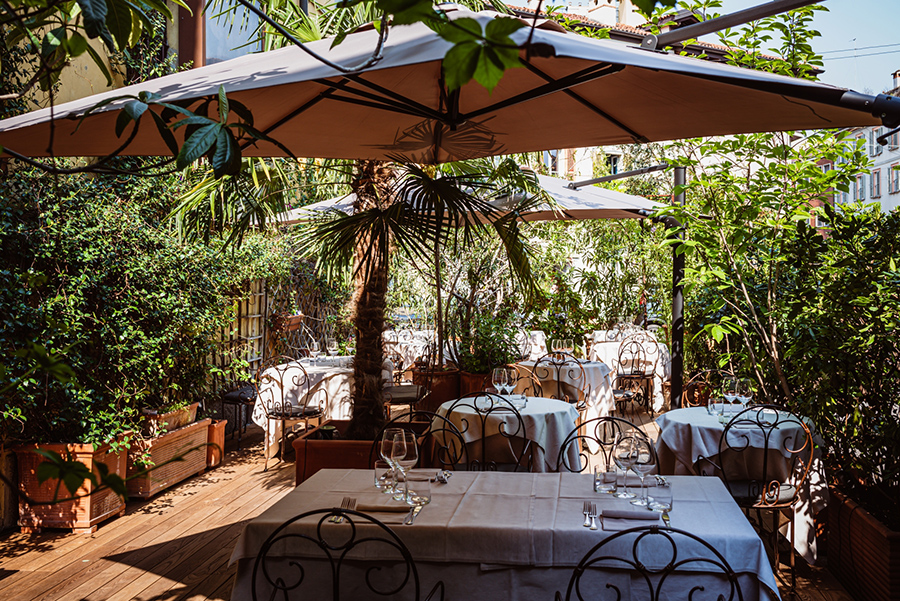
An oasis in the heart of the city and a wonderful place to kick back and relax. The accompanying speakeasy, Tencitt, featured in Stanley Tucci's TV series ‘Searching for Italy’.
SOPHISTICATED AND CREATIVE
The iconic aperitivo is central to Milanese social life, typically enjoyed in the early evening. This tradition involves sipping cocktails or wine while savoring complimentary snacks. Classic drinks include the Negroni and Spritz, both of which showcase local spirits like Campari and Aperol.
Wine lovers will find Lombardy’s vineyards producing exceptional wines, particularly the Franciacorta sparkling wine, often compared to Champagne. In addition, Barbera and Nebbiolo wines are popular choices that pair beautifully with local cuisine.
For coffee enthusiasts, Milan is home to the famous espresso culture, with bustling cafés serving expertly brewed coffee. The city's baristas take pride in their craft, making each cup a true experience. Craft beer is gaining popularity, with numerous microbreweries emerging, offering a range of innovative and traditional brews.
Additionally, Milan's nightlife features an eclectic mix of trendy bars and stylish cocktail lounges, making it a hotspot for both locals and visitors looking to unwind. This dynamic drinking scene perfectly complements Milan’s reputation as a cultural and culinary capital.

Tucked between the San Siro and the neighbouring horse racing track, enjoying a beer in the shadows of the stadium's gorgeous, swirling turrets is highly recommended.

A great place for a pre-game meal and drink. It’s popular with fans and serves delicious pizza and local wines.

Handily close to the the San Siro, the walls of Old Tenconi are lined with screens showing live sport. A famous old pub - on this site since 1970 - also serves hot and cold food.

A historic bar that attracts many Inter fans - it's often packed with locals and supporters before matches.
There are several supporters groups associated with Inter, the most prominent and overarching of which is Curva Nord (North Curve), which is where the most dedicated and vocal supporters gather.
Some of the key ultras factions within the Curva Nord include
F.C. Inter Club Milan (the group that really brought the concept of organized fan support to the club)
Boys San (founded in the early 1980s and one of the oldest groups, with a reputation for creating visually stunning displays)
Commandos Tigre (known for their passionate support and affiliation with the club’s traditions of combative and loud cheering)
Inter Club “Testa”(also associated with organised displays).
Inter Milan fan groups share many of the same values that define the ultra culture in Italy, which includes being the heart and soul of the club, anti-commercialism, anti-establishment and anti-power ideologies.


C’è solo l’Inter
"C'è solo l’Inter per me..."
(There’s only Inter for me...)
Often sung before and after matches, especially by the entire Curva Nord.
Pazza Inter Amala
"Pazza Inter, amala!"
(Crazy Inter, love her!)
Dropped as the official anthem a few years ago, but is still widely sung by fans who feel it represents the club’s true spirit.
Chi non salta rossonero è!
"Who doesn’t jump is a Rossonero!"
Sung while jumping up and down, especially during Derby della Madonnina.
Inter ti amo
"Inter, ti amo,
sei la squadra del mio cuor..."
(Inter, I love you, you’re the team of my heart...)
Avanti Ragazzi di Curva Nord
A battle-cry chant:
"Avanti ragazzi di Curva Nord,
Vinci per noi, lotta con il cuor..."
(Forward boys of the Curva Nord,
Win for us, fight with heart...)
Milan, Italy’s fashion and design capital, is a bustling metropolis known for its rich history and modern vibrancy. Renowned for iconic landmarks like the stunning Duomo di Milano and the historic La Scala opera house, the city blends tradition with contemporary flair.
Milan is a hub for art and culture, hosting the famous Milan Fashion Week and the prestigious Museo del Novecento. Its culinary scene, from elegant restaurants to lively aperitivo spots, showcases both local and international flavours. With a dynamic nightlife and thriving business district, Milan attracts visitors seeking creativity, style, and a taste of Italian elegance.
CURRENCY: EUROS
This Gothic cathedral is the heart of the city, known for its intricate architecture and beautiful stained glass windows. Rooftop access offers breathtaking views of Milan.
Home to Leonardo da Vinci’s masterpiece, The Last Supper, which is located in the refectory of the convent. To note: you must cover your shoulders and knees to visit.
One of the world's oldest shopping galleries, this stunning glass-covered arcade features luxury shops, cafes, and restaurants, perfect for soaking in Milan’s stylish atmosphere.
Surrounded by beautiful gardens and housing several museums and art collections, the castle's impressive architecture and expansive grounds make it great for a leisurely visit.


Greetings and basics
Buongiorno / Buonasera – Good morning / Good evening
Parla inglese? – Do you speak English?
Mi dispiace, non parlo bene l’italiano. – I’m sorry, I don’t speak Italian well.
Può aiutarmi, per favore? – Can you help me, please?
Quanto costa? – How much does it cost?
Dove si trova...? – Where is…?
Vorrei ordinare… – I would like to order…
C’è un bancomat vicino? – Is there an ATM nearby?
Posso pagare con carta? – Can I pay by card?
Dove si prende il taxi? – Where can I get a taxi?
Mi sono perso / persa. – I’m lost.
Mi scusi. – Excuse me.
È lontano da qui? – Is it far from here?
Che ore sono? – What time is it?
Grazie mille! – Thank you very much!
Stadium and matchday
Come posso arrivare allo stadio? – How can I get to the stadium?
Quando è meglio andare allo stadio? – When is the best time to head to the stadium?
Quanto costano i biglietti? – How much are tickets?
Dove posso comprare i biglietti? – Where can I buy tickets?
Qual è la fila? – Which row is this?
Dove sono i bagni? – Where are the toilets?
Posso bere al mio posto? – Can I drink in my seat?
Posso entrare con questo zaino? – Can I bring this backpack in?
Serve un documento per entrare allo stadio? – Do I need ID to get in the ground?
Quanto costa una birra? – How much is a beer?
Gol! – Goal!
Che parata! – Great save!
Arbitro! – Referee!
Fallo! – Foul!
Bravo! – Well done!
