ABOUT
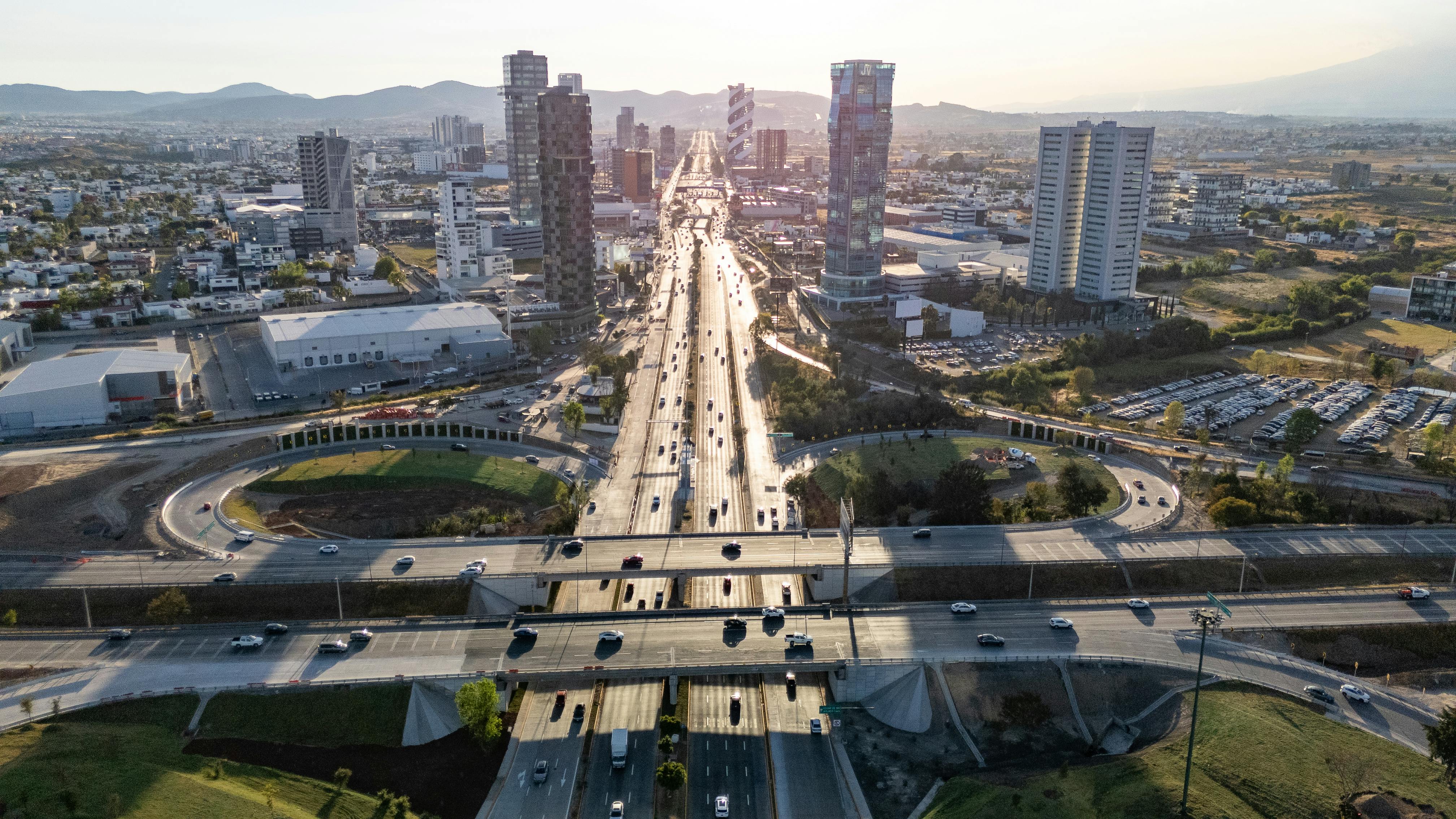
Mexico City is football on a continental scale. Vast, chaotic, intoxicating and impossible to fully understand in one visit, the capital revolves around the monumental Estadio Azteca and a football culture woven through neighbourhood taquerias, university campuses and late-night cantinas.
How can you distil Mexico City into a few paragraphs? The largest metropolitan area in the Americas sprawls endlessly outward, each district with its own rhythm, architecture and football identity. Yet for all the scale, the city’s footballing heart still beats in the south, where the Estadio Azteca rises from the urban sprawl. Newly renovated for the 2026 World Cup, it will become the first stadium ever to host matches at three separate World Cups.
This is a city where football exists alongside art, politics, food and history in almost every direction. You can spend the morning at the National Museum of Anthropology, the afternoon walking through UNAM beneath Diego Rivera murals and the evening eating tacos al pastor outside a stadium that once hosted Pelé and Maradona. Mexico City overwhelms and seduces in equal measure.
Mexico City

Getting FIFA World Cup 2026 Tickets
Tickets and ticket prices have been much of the talk for the World Cup, so far. Because of the high prices for the World Cup, it means there are still tickets available for most games.
This is the biggest World Cup ever, with 48 teams and 104 matches through the tournament, running from 11th June to 19th July. Here's everything you need to know.
Official channels first.
The Last-Minute Sales Phase launched on 1st April and runs through until the end of the tournament. Unlike earlier lottery phases, tickets are sold on a first-come, first-served basis with instant confirmation. Your FIFA ID needs to be active and payment details saved in advance, as inventory for high-profile matches in cities like New York and Los Angeles sells out within minutes of being released. All purchases go through FIFA.com/tickets.
The official resale route.
The FIFA Resale/Exchange Marketplace reopened on April 2 and remains open until one hour before each match's kick-off. Availability can be very limited, with tickets appearing sporadically, so best advice is to check frequently and act quickly. All transactions and ticket transfers are handled by FIFA, keeping the tickets digital throughout. There is no limit on the mark-up on tickets, so prices can vary. However, with dynamic pricing, there's always a chance some tickets get cheaper nearer to the game.
Third-party resale — proceed with caution.
Platforms like StubHub, Viagogo, and SeatGeek operate legally in many markets but are not recognised by FIFA as valid resale channels. FIFA has made clear that tickets bought outside the official system may be invalid or cancelled. FIFA has placed no restrictions on resale pricing, which has caused significant controversy — particularly for the final, where prices are expected to be extremely high.
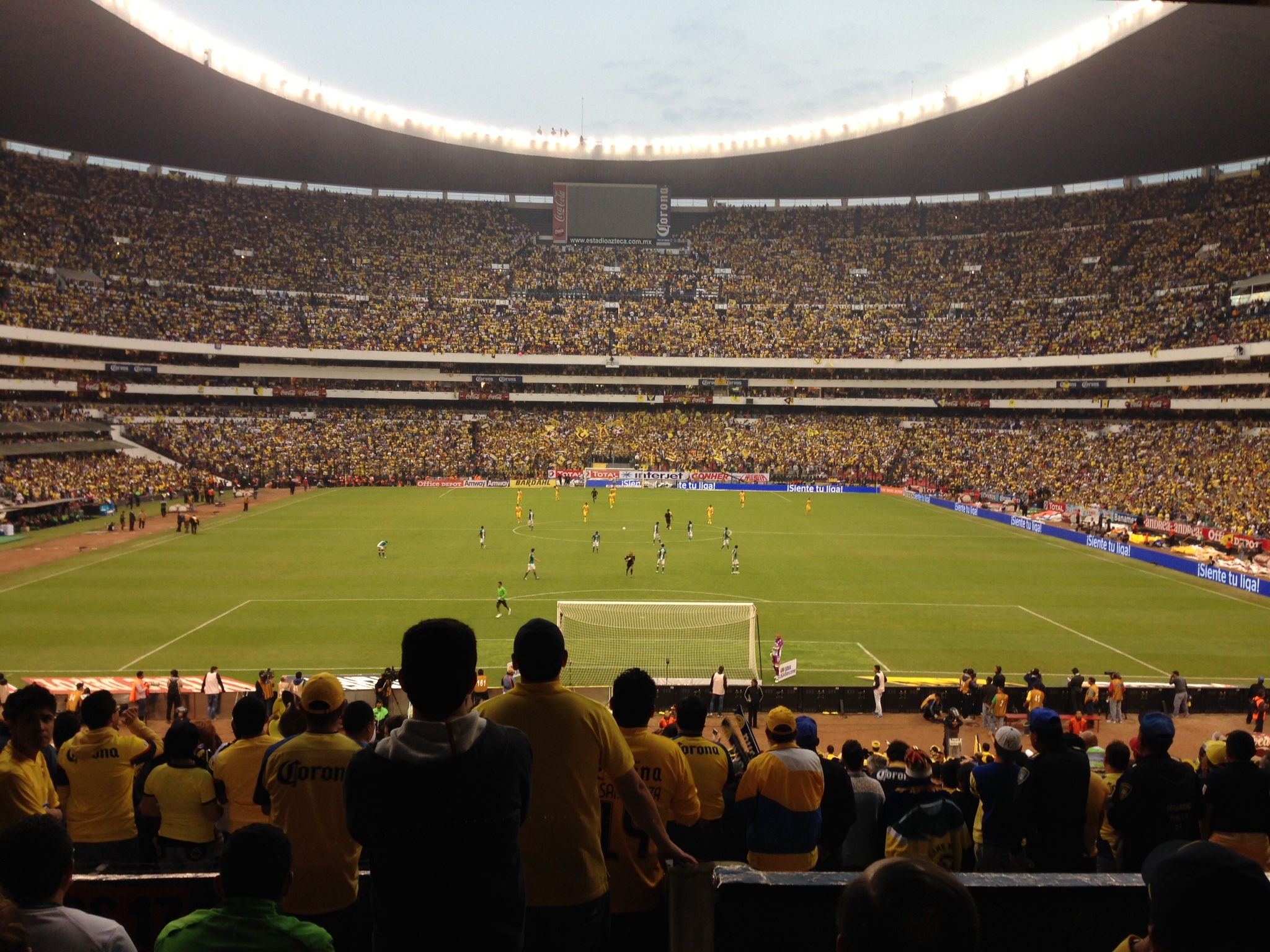

The Estadio Azteca is one of football's most architecturally magnificent venues – a three-tiered bowl with a capacity approaching 90,000 for club matches.
North Stand (Fondo Norte): The América ultra section (La Monumental) sits here. The most passionate, most vocal section with drums, flags and continuous singing. Buy general admission tickets here for the real Azteca experience.
South Stand (Fondo Sur): The opposite end, typically where visiting supporters are housed for Liga MX matches.
Tribuna and Preferente (Sidelines): The main seated sideline sections, varying from affordable upper-tier Tribuna seats to the premium Preferente areas pitchside.


Estadio Azteca offers the most historically significant stadium tour in Mexican football. The tour covers the stadium's extraordinary history – two World Cup finals, the Hand of God, Maradona's Goal of the Century, numerous Copa América and Gold Cup matches and decades of Liga MX. You can walk on the same pitch where Pelé and Maradona created football's defining moments.
Tours include access to the dressing rooms, the tunnel, the pitch, the Club América museum and the Azteca Hall of Fame. Tours run on non-matchday mornings and should be booked via the Azteca website.
Details: estadioazteca.com.mx


Address: Address: Estadio Azteca, Calzada de Tlalpan 3465, Santa Úrsula Coapa, 14080 Mexico City
The Estadio Azteca is in the south of the city, well-served by Mexico City's excellent Metro system. Take Line 2 (Blue) to the Tasqueña station and transfer to Line 12 (Gold) to the Olivos station, from which the stadium is a short walk. Alternatively, take the Metrobús or a rideshare.
By road, the Periférico Sur and Calzada de Tlalpan provide access; extensive parking is available around the stadium.
For the World Cup: FIFA will configure the stadium with designated fan zones and seating by match; the full 87,523 WC capacity will be used for the opening match.


FAN ZONE: FIFA Fan Festival Mexico City — Zócalo
Mexico City’s fan festival will take over the Zócalo, one of the world’s great public squares and the symbolic centre of the capital. Running from June 11 to July 19, it will offer live match screenings, music, Mexican gastronomy, activations and a huge communal atmosphere. For Mexico matches, this could be one of the most intense fan-zone experiences of the whole tournament.
Cost: Entry is free, but capacity is limited and advance registration is recommended / expected. Alcohol sales are restricted at the Zócalo Fan Festival, so fans should plan around food, soft drinks, merchandise and transport costs instead.


The finest hotel in Mexico City, set around a beautiful interior garden in the upscale Polanco neighbourhood. Service is exceptional. Restaurant and bar are among the city's best.

A beautifully restored early 20th-century mansion converted into a boutique hotel in Roma Norte – the city's most fashionable neighbourhood. Walking distance to the best bars.

A stunning Beaux-Arts building in the historic centre with a stunning Tiffany glass atrium ceiling. Near the Zócalo, it is located in the heart of the city's colonial history.

A well-regarded, sociable hostel in the Condesa neighbourhood in one of the city's most vibrant areas. Dorms and private rooms at good prices with regular social events.


TACOS AL PASTOR, MOLE AND STREET FOOD
Mexico City’s food culture is almost impossible to exaggerate. The capital soaks up influences from every corner of the country, meaning one neighbourhood can feel entirely different from the next. Street tacos remain essential — especially al pastor sliced directly from spinning trompos — but the city also excels in regional cuisines brought here by internal migration.
Football and food overlap constantly. Matchdays revolve around tacos, beer and improvised roadside grills, while neighbourhood institutions become unofficial gathering points for supporters. Chilaquiles tortas, birria, tacos de canasta and Yucatán-style cochinita pibil all feel as representative of the city as any stadium.
The city also now rivals anywhere globally for contemporary dining and cocktail culture, though the best meals are often still found standing on a pavement beneath fluorescent lighting.
Beyond the streets, the city's restaurant scene has gone through a transformation in the last two decades. Roma Norte and Condesa have become home to some of the most creative cooking in Latin America, with chefs drawing on Mexico's extraordinary pre-Hispanic larder (chocolate, vanilla, chilli, maguey, corn, squash, nopales) and combining them with global technique. Mole – the complex chilli and chocolate-based sauce that takes days to make – is the zenith of Mexican cooking and is available throughout the city in its many regional variations.


A car mechanics workshop by day turned one of Mexico City's most beloved taco spots by night, El Vilsito serves extraordinary tacos al pastor. Open from 10pm and always busy.

A tiny taquería in the Centro Histórico serving some of the finest tacos in the city from an astonishing range of fillings. A favourite spot among local workers at lunch.

A beautiful covered market in the Centro Histórico with a focus on artisan and imported produce alongside excellent local stalls. Cheese, charcuterie and fresh tropical fruit.

Consistently ranked in the world's top 10 restaurants, Enrique Olvera's Pujol is the pinnacle of modern Mexican cuisine. The mole madre is an iconic dish. Book in advance.

Located near the Estadio Azteca, Michoacaníssimo is one of the best pre-match food stops in the south of the city. Slow-cooked birria served in either a taco or a stew.

CERVEZA, TEQUILA AND MEZCAL
Mexico City may currently be one of the world’s great cocktail cities. Traditional cantinas still thrive, pouring tequila, mezcal and beer beneath fading photographs and old wooden ceilings, while contemporary bars experiment with agave spirits in endlessly inventive ways.
Football supporters often drink informally — convenience store beers outside stadiums, plastic cups near the Azteca or cans carried through UNAM before Pumas matches. Yet there is also an increasingly sophisticated drinking culture in neighbourhoods like Roma and Condesa.
Cerveza (beer) is the everyday drinking choice – Corona, Modelo, Pacífico and Bohemia are the main national brands, all produced by Grupo Modelo and widely available. The craft beer scene has grown rapidly in Mexico City in recent years, with Roma Norte and Condesa hosting excellent local craft bars.


British pub located in the Roma Norte neighborhood, inspired by classic English pubs. Great spot to watch Premier League matches

It sits right by the stadium approaches and fills with supporters. Expect micheladas, music, and people spilling onto the pavement. It’s rough around the edges in the right way.
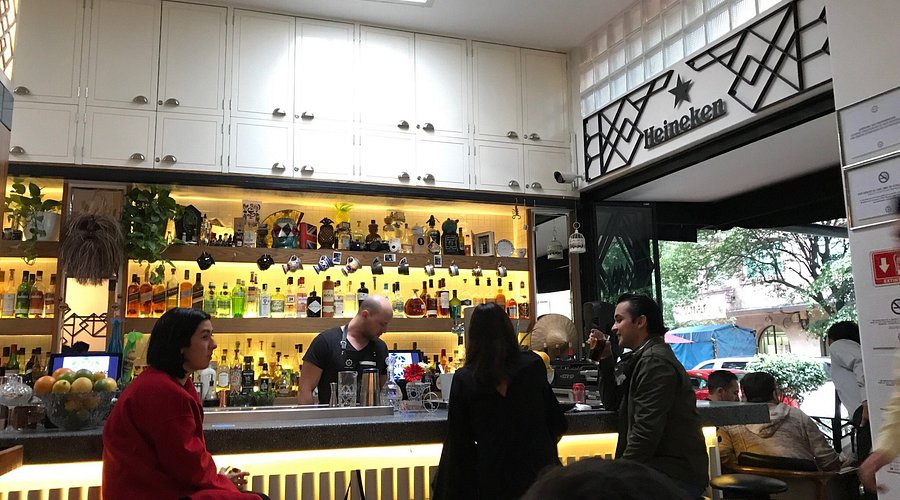
Renowned cocktail bars, Limantour's Roma Norte location is the original and still the best. The cocktail menu changes seasonally and uses Mexican spirits with extraordinary skill.

A legendary cantina near the Azteca that fills with América and Pumas supporters on matchdays. Traditional Mexican cantina culture - free botanas with every drink and live music.

A number of bars claim to be the oldest in Mexico City, but Cantina Tio Pepe certify has been pouring tequila for a very long time. Open since 1869, the bar has an old-school feel.

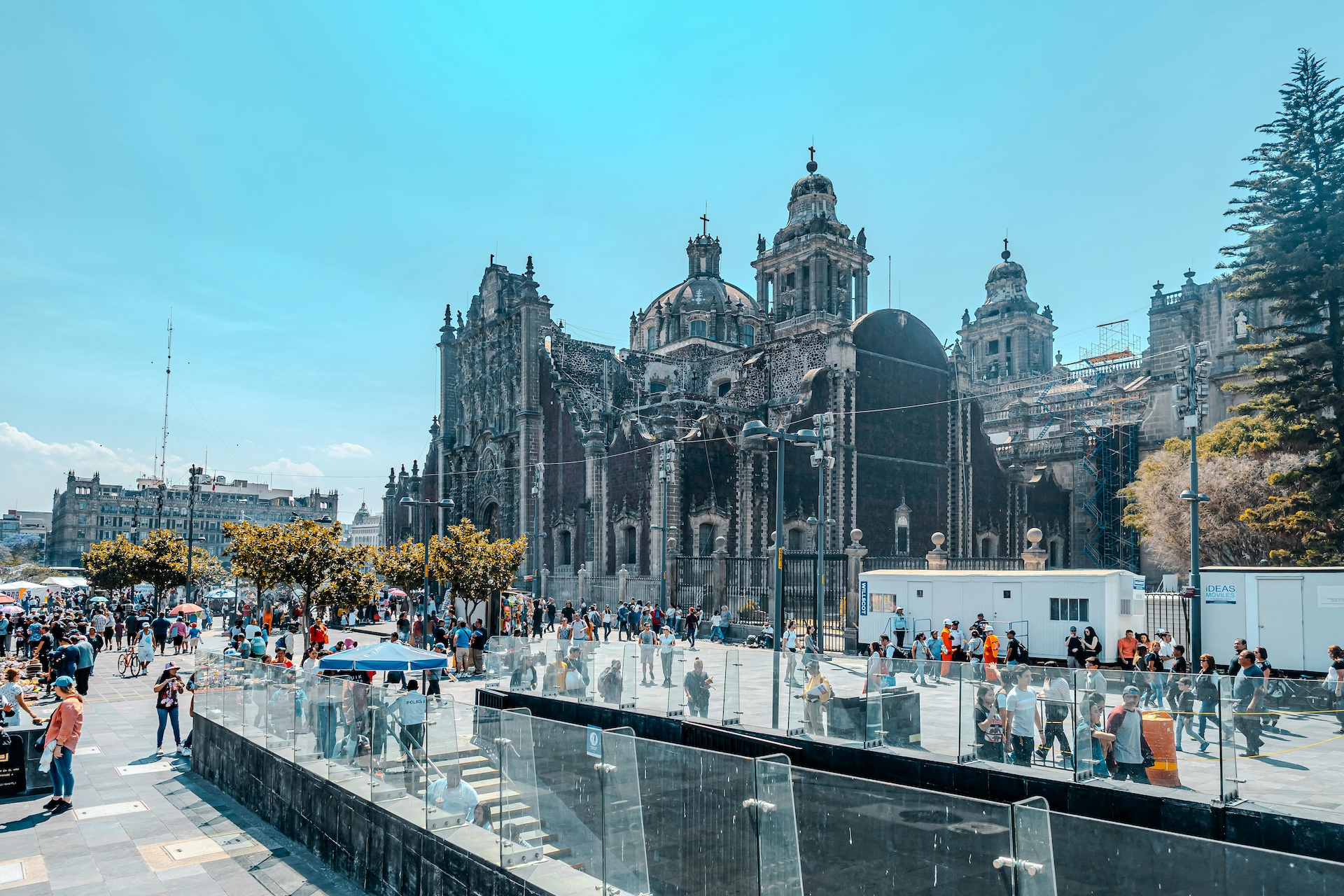
Mexico City definitely rewards curiosity more than planning. Wander through markets, spend hours in museums, stop for tacos wherever queues form and accept that traffic will disrupt every carefully organised itinerary. Football sits naturally within the city rather than apart from it.
CURRENCY: MEXICAN PESO


Better known as Casa Azul, the former home of Frida Kahlo remains one of Mexico City’s most visited cultural sites. The cobalt-blue house offers an intimate look into Kahlo’s life.

Once a separate colonial town before Mexico City expanded around it, Coyoacán remains one of the capital’s most atmospheric neighbourhoods. Relatively close to the Estadio Azteca.

Few museums anywhere in the world rival the scale or importance. Vast galleries trace thousands of years of Mexican history through extraordinary artefacts like Aztec Sun Stone.
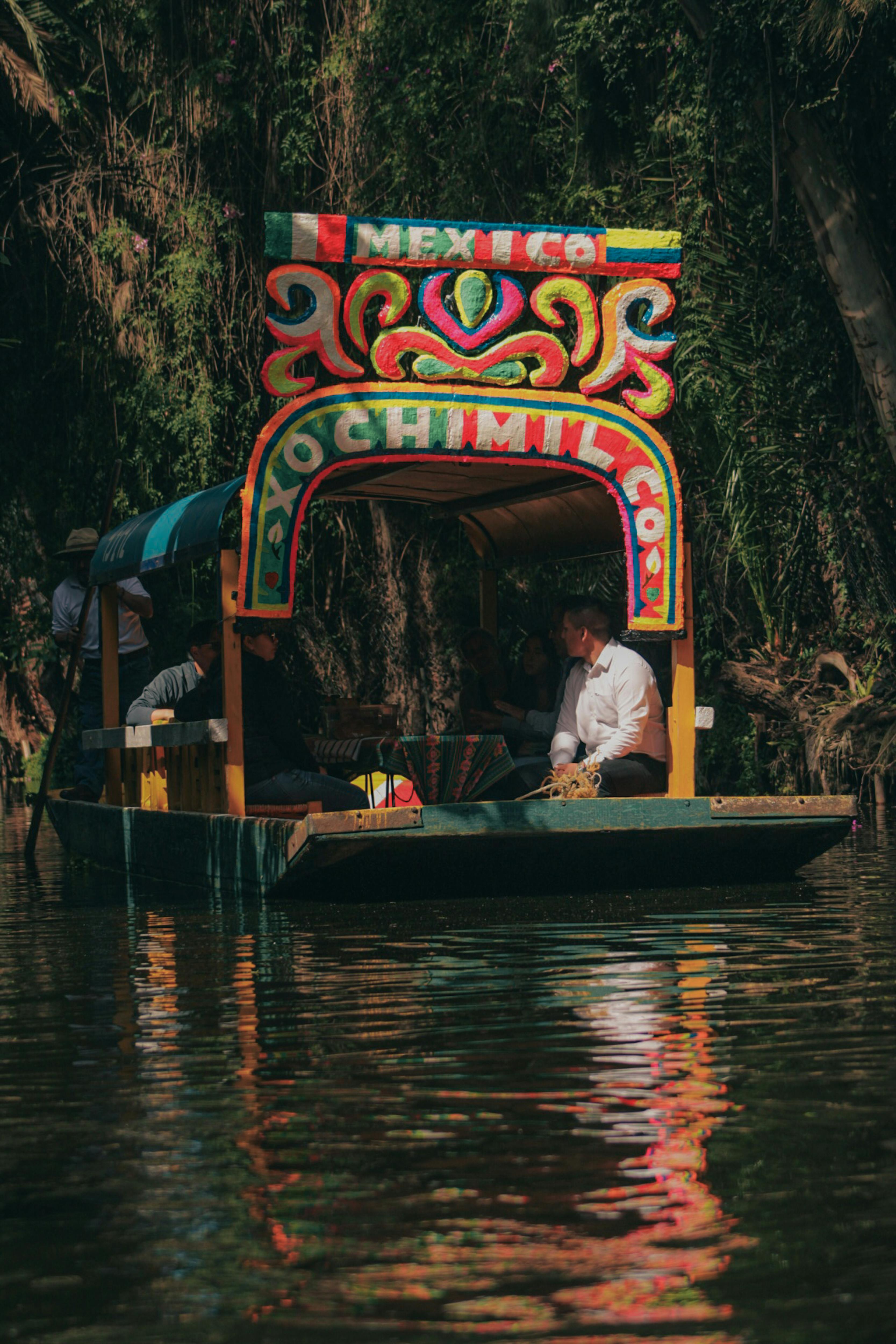
The canals of Xochimilco preserve one of the last remnants of the lake system that once surrounded ancient Tenochtitlan. Today, bright trajinera boats drift through the waterways.