ABOUT
Watching football in Tokyo is an exciting experience, whether you're cheering from lively sports bars, massive public screenings, or iconic stadiums like Ajinomoto Stadium, home to FC Tokyo and Tokyo Verdy. You might catch Machida Zelvia in action in western Tokyo or feel the energy of Urawa Red Diamonds fans just outside the city. Wherever you go, fans gather with passion - enjoying drinks, snacks, and the electric atmosphere of international fixtures and J.League clashes alike.
Football in Tokyo offers a dynamic mix of domestic passion and global spectacle. The city is home to several clubs, each with its own identity and fan culture. FC Tokyo and Tokyo Verdy share the iconic Ajinomoto Stadium, making it a central hub for J.League action. Machida Zelvia, based in western Tokyo, brings a strong community vibe and ambition, while Urawa Red Diamonds, just north in Saitama but with a massive Tokyo fanbase, consistently draw some of the most passionate supporters in the country. Together, they represent the capital’s rich and varied football landscape.
Beyond football, Tokyo is a mesmerizing city that seamlessly fuses ultramodern skyscrapers with ancient shrines. Whether exploring the vibrant streets of Shibuya, savoring world-class sushi in Tsukiji, or experiencing the neon-lit nightlife of Shinjuku, there’s always something to discover. Watching a match often pairs with izakaya-style gatherings, where fans discuss tactics over yakitori and draft beer.
With Japan's growing presence in international football and Tokyo’s role in hosting major global events, the city has established itself as a must-visit destination for football lovers. Whether drawn by the sport, the culture, or the electric urban energy, Tokyo offers an unforgettable experience for any fan.
FC Tokyo

Tickets for FC Tokyo home matches at Ajinomoto Stadium can be purchased through the club’s official website, the FC Tokyo Ticketing App, or at physical ticket offices in Tokyo.
For J1 League fixtures, tickets generally go on sale about two to three weeks before the match, with early access for club members. High-demand games, such as those against Urawa Reds or Yokohama F. Marinos, can sell out quickly, so purchasing in advance is recommended.
Ticket prices vary depending on the opponent and seating area. For regular J1 League matches, prices typically start at around ¥2,500-3,500 for general admission seats, ¥5,000-7,000 for mid-tier seating, and ¥10,000+ for premium sections. For marquee matchups or cup competitions, prices may be higher, particularly for central or lower-tier seats.
If a match is sold out, fans can use FC Tokyo’s official resale platform to buy tickets safely. It’s best to avoid unauthorized third-party sellers to prevent issues with counterfeit tickets.
Tickets can also be purchased in person at the Ajinomoto Stadium ticket office, which is open on match days and select weekdays. Some local convenience stores and official FC Tokyo club shops may also sell tickets for upcoming matches.
THE PROCESS
1. Visit the official website: FC Tokyo Ticketing
2. Select your match: Browse upcoming fixtures
3. Choose your seat: Use the stadium map to pick your spot
4. Proceed to payment: Pay with credit card, PayPay, or convenience store options
5. Receive your ticket: Get a QR code or physical ticket
6. Scan & enter: Show your QR code at Ajinomoto Stadium on match day


The Ajinomoto Stadium, was opened in 2001 ahead of the 2002 World Cup. The bowl-style stadium offers great views all around the stadium. Both FC Tokyo and Tokyo Verdy play their home games at Ajinomoto Stadium.
There are a few sections to note:
North Stand (Home Supporters – Unreserved): This is where the most passionate FC Tokyo fans gather. Expect nonstop chanting, drumming, and flag-waving from start to finish. If you want to immerse yourself in the hardcore matchday atmosphere, this is the place to be. Note: It's unreserved seating, so arrive early.
Main Stand (West Side – Reserved): These are some of the best overall seats in the house. Located along the halfway line, they offer a perfect tactical view of the game. Seats are reserved and covered, providing comfort and great sightlines. Ideal for families, neutrals, and anyone wanting a clear view of both halves.
Back Stand (East Side – Reserved): Another great choice for a balanced view of the pitch. Similar to the Main Stand but usually more affordable. It’s also covered and has a vibrant mix of casual fans and regulars.

Address: Ajinomoto Stadium: 376-3 Nishimachi, Chofu City, Tokyo 182-0032, Japan
Getting There by Train
From Shinjuku Station:
Take the Keio Line (not the JR line) towards Takaosanguchi. Disembark at Tobitakyu Station, which is approximately a 20-minute ride. The stadium is a 5-minute walk from the station.
From Shibuya Station:
Board the Keio Inokashira Line to Meidaimae Station, then transfer to the Keio Line towards Takaosanguchi. Get off at Tobitakyu Station.
For more detailed access information, you can visit the Ajinomoto Stadium Access Guide: https://www.fctokyo.co.jp/en/stadium/access/


Overlooking Tokyo with panoramic views of Mount Fuji on clear days, this luxury hotel offers top-tier service, spacious rooms, and iconic city views.

Located in the heart of Shinjuku, UNPLAN offers modern dorms and private rooms, a lively bar and café, and easy access to nightlife and transit.
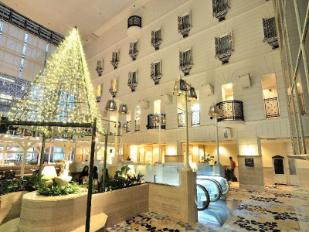
Nestled in the vibrant Kichijōji neighborhood, this hotel offers shopping, dining, and park life just steps from your room, with direct train access to the stadium nearby.

Located just a short walk or bus ride from Ajinomoto Stadium, this business-style hotel offers clean, comfortable rooms. Ideal for fans wanting to be close to the stadium.


SUSHI, YAKITORI, AND RAMEN
Tokyo's culinary scene is a vibrant blend of tradition, innovation, and global influence, offering something for every palate. At its heart, the city celebrates sushi, sashimi, and tempura, which can be enjoyed in everything from high-end restaurants to casual sushi bars. Ramen is another Tokyo staple, with numerous shops serving various styles, from rich tonkotsu broths to light, soy-based soups. For a unique experience, Tokyoites often indulge in monjayaki, a savory pancake, especially in the Tsukishima area.
Street food is also a major highlight, with bustling yokocho (alleyways) offering everything from takoyaki (octopus balls) to kushiage (deep-fried skewers). Tokyo’s food culture thrives in its izakayas, casual drinking spots serving an array of small dishes like yakitori (grilled chicken skewers), edamame, and tempura.
The city is also home to Michelin-starred restaurants, showcasing refined Japanese and international cuisine. Sweets are an art form, from delicate wagashi (traditional Japanese confections) to the Western-inspired patisseries that are especially famous in upscale districts like Omotesando. Tokyo’s food scene is dynamic and diverse, making it one of the best cities in the world for gastronomic exploration.


Located near Ajinomoto Stadium, Harmonica Kitchen offers a variety of delicious Japanese comfort food, from hearty ramen to yakitori- it's the perfect spot for a pre-match meal

Ramen Hayashida is a small chain of ramen shops with one located directly outside the stadium. A great option near the ground, but beware, it can get busy on matchdays!

This bustling alley, full of small, cozy izakayas serving up delicious grilled skewers (yakitori), fried bites, and chilled beer, captures the essence of old Tokyo.

Gyu-Kaku is a chain that offers an authentic BBQ experience across Tokyo. Grill your own meats, seafood, and vegetables at the table, making it a great option for groups.

SECRET ALLEYWAYS AND GOLDEN GAI
Tokyo's drinking scene is as dynamic and diverse as its food culture, offering everything from traditional sake to innovative cocktails. Sake, Japan’s iconic rice wine, is a must-try, with Tokyo home to numerous sake bars and specialised izakayas where you can taste a variety of brews. Whether served warm or chilled, it’s a key part of any dining experience.
For beer lovers, Japanese craft beer has exploded in popularity, with Tokyo hosting countless taprooms and bars showcasing local brews, from pale ales to rich stouts. The city also boasts a vibrant whisky culture, with Japanese whisky being highly regarded worldwide for its precision and complexity. Many bars, particularly in neighbourhoods like Shinjuku and Roppongi, offer an extensive selection of whisky, often served in beautifully crafted cocktails or neat.
Tokyo’s izakayas and yokocho alleyways are perfect spots for casual drinking, where you can enjoy drinks like highballs (whisky and soda) and shochu (a traditional Japanese spirit). For a more upscale experience, cocktail bars like those in Ginza and Roppongi offer expertly crafted drinks, with bartenders known for their precision and artistry. Tokyo’s drinking culture is varied, vibrant, and welcoming, making it a great city to explore by night.


Located in Shibuya, FooTNik is one of the best spots in Tokyo for watching Premier League football with large screens showing live games and a passionate crowd.

Near Shinjuku, Golden Gai is a famous nightlife district of alleyways filled with intimate and quirky bars.

Most fans head straight to the ground and drink in the fan park outside the ground.
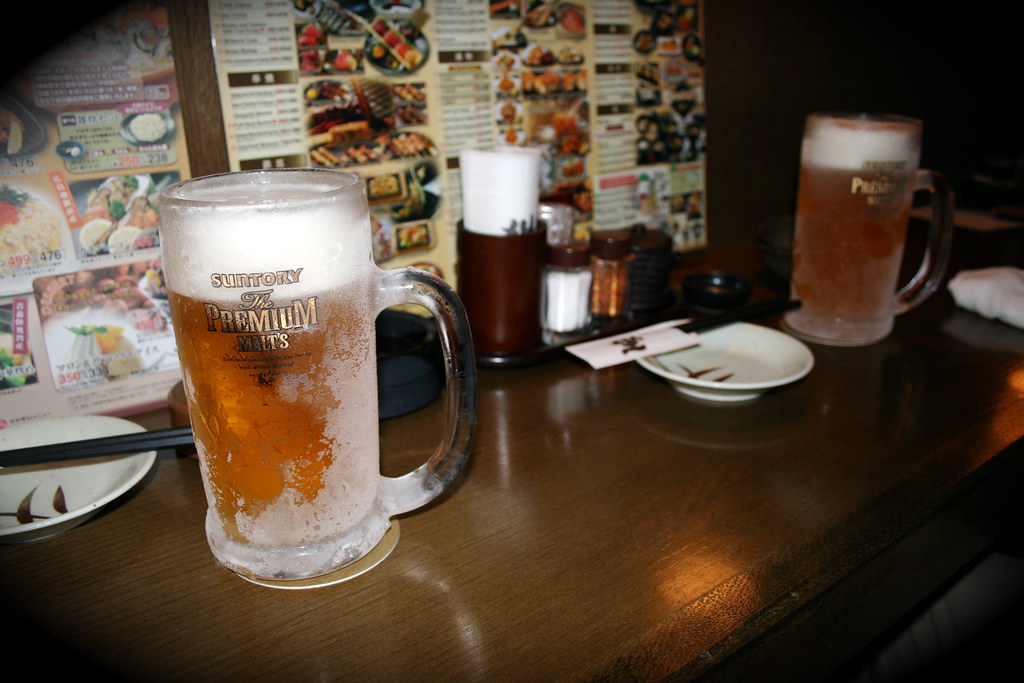
Just one minute from Tobitakyu Station, this laid-back izakaya is a go-to pre-match stop for FC Tokyo fans. Expect yakitori, cold beers, and a sociable, pub-like feel.

FC Tokyo fans are renowned for their passionate and inclusive support of the club. The fanbase is diverse, welcoming supporters of all ages, genders, and nationalities, creating a vibrant and unified atmosphere at matches. This inclusivity is a cornerstone of the club's identity, with fans embracing a sense of community and shared pride in their team.
The supporters' group is known for its energetic displays, including coordinated chants, banners, and the use of pyrotechnics, particularly during the intense Tokyo derby against Tokyo Verdy. These traditions contribute to a lively and electrifying environment at the Ajinomoto Stadium, making it a memorable experience for both local and international fans.
Beyond matchdays, FC Tokyo fans actively engage in community initiatives, such as the "Let's pack the Ajinomoto Stadium Army" campaign, which encourages supporters to promote upcoming matches and foster a deeper connection with the local community. This commitment to community outreach reflects the club's philosophy of enriching lives through sports and creating a society where everyone can enjoy and be familiar with sports on a daily basis .


Tokyo is a dynamic, bustling metropolis that blends ultramodern skyscrapers with ancient traditions. The city is famous for its cutting-edge technology, vibrant fashion, and unparalleled food scene, offering everything from Michelin-starred sushi to street food delights. Tokyo's neighborhoods, like Shibuya and Shinjuku, are known for their lively atmosphere, while serene spots like Meiji Shrine offer peaceful retreats. Whether exploring its neon-lit streets or tranquil gardens, Tokyo offers something for everyone.
CURRENCY: JAPANESE YEN


Meiji Shrine offers a tranquil escape from the city’s fast pace. The shrine’s traditional architecture provides insight into Japan’s Shinto practices and culture.

Tokyo Tower stands tall in the city’s skyline, offering sweeping views of the city from its observation decks, where you can take in the breathtaking expanse of Tokyo.

Shibuya Crossing is one of the busiest intersections in the world, symbolising Tokyo’s energy and vibrancy. This iconic scramble of thousands of people crossing is a must-see.

Asakusa offers a glimpse into Tokyo’s past, home to the iconic Sensō-ji Temple. Explore traditional markets, vibrant streets, and the temple’s historic grounds.