ABOUT
The Scottish capital is one of the most striking cities in the world. From the Gothic feel of the Old Town and its historic castle to the splendour of the Georgian New Town - split by the famous Princes Street Gardens - architecture, art, food, drink and incredible views are never far away.
Despite being home to the national rugby stadium at Murrayfield, football is a sport that courses just as deeply through Edinburgh. Parts of the city are coloured to match their clubs - maroon predominates in Gorgie and Edinburgh's west, where Hearts play at Tynecastle. Just as rooted in their surroundings are Hibernian, born in Edinburgh's Cowgate but raised in Leith and now reflected in the green doors and shop fronts of the port and Easter Road. Two of the biggest clubs in the country share a ferocious rivalry and ensure football is always a major story in a city that reverberates with them.
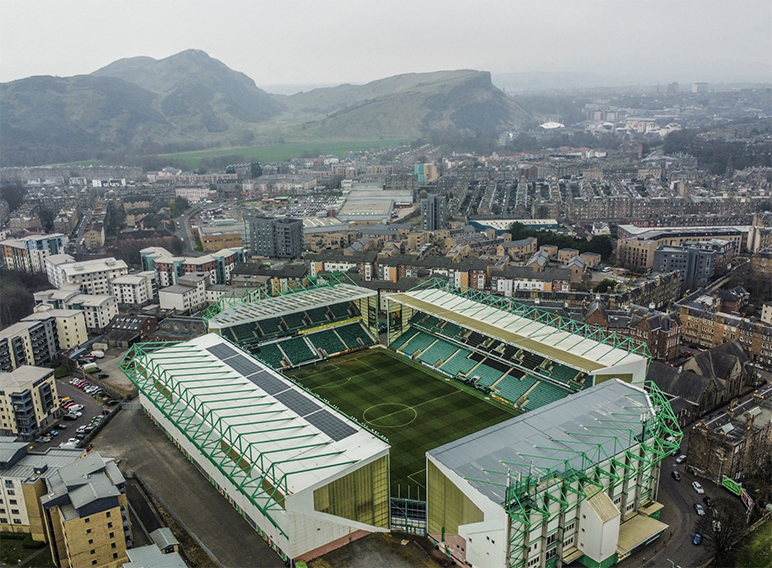
Both are classic city grounds, surrounded by tenements and easily accessible from the city centre. Tynecastle is perfectly placed for getting off the train or tram at Haymarket and exploring Edinburgh's West End before heading down the road. Easter Road meanwhile is walkable from Waverley, but also served by the trams running down Leith Walk to the shore, which also boasts a vibrant collection of restaurants and bars.
Hibs and Hearts are in relatively stable health too - Hearts came agonisingly close to a first league title since 1960 in the 2025-26 season, pipped by Celtic on the last day. Though famously now supported by Jamestown Analytics, Hearts remain fan-owned - the largest club to be so in the UK. Hibs meanwhile have been consistent top-six finishers in recent years. This has made sell-outs more common, but there are still plenty of options for getting tickets.

Hibernian

Founded in 1875, Hibs are one of Scotland's oldest and most pioneering clubs. The first British club ever to play in the European Cup, they did so following the club's singular period of top-flight success in the early 1950s, winning titles in 1948, 1951 and 1952. At the forefront of the club's triumphs in that period were the renowned 'Famous Five': Gordon Smith, Eddie Turnbull, Lawrie Reilly, Bobby Johnstone and Willie Ormond - all inducted into the Scottish Hall of Fame and immortalised in the Famous Five Stand at Easter Road.
Prior to 2016 Hibs were notable for not having won a Scottish Cup since 1902, a 114-year drought ended by now-manager David Gray's injury-time header to sink Rangers 3-2. The outpouring of joy celebrating that victory brought the club to the attention of the world, thanks in no small part to a rendition of the Proclaimers' 'Sunshine on Leith' at Hampden Park - a club anthem since the city united behind Hibs in the early 1990s to see off a proposed merger with Hearts that would have led to the club's extinction. The song is played at Easter Road after victories in big games - generally derbies or knockout matches - and is an incredible moment if you're lucky enough to witness it.
Tickets for games are generally fairly easy to come by. Prices for tickets on general sale for a single match at Easter Road generally cost between £24 and £36 for adults, depending on the fixture category (A or B) and seating tier (either Gold, Silver or Bronze).
Matches are split into Category A (high-profile games like Hearts, Celtic, Rangers, and Aberdeen) and Category B (all other Scottish Premiership opposition).
For under-18s the most expensive ticket is £18 (Cat A, Gold Seating) while for Seniors it's £22. For cup and European matches (based on being in the UEFA Conference league), tickets can be cheaper still, with standard adult tickets usually priced around £20. Hibs also run promotional campaigns like Football For A Fiver, where all general admission tickets throughout the stadium drop to just £5. These games can be very popular, so worth checking in advance even if you're targeting a Category B fixture.
There are also some really good hospitality options available, which generally cost between £175 and £265 per person for a single game, depending on the venue tier and opponent category.
TOP TIP
For bar access before and after the game (drinking in Scottish grounds is generally banned, even on concourses), you can get casual sports bar access starting from £50 to either the Albion Bar or 'Behind the Goals' (https://www.hibernianfc.co.uk/tickets/hospitality).
THE PROCESS
Tickets are available via the club ticketing portal: https://www.hibernianfc.co.uk/tickets - you'll also need to sign up for an account to purchase tickets whether on general sale or for hospitality packages. Provided tickets are on sale and available for your chosen fixture you'll be able to click through to the stadium map to choose your seats. Tickets are generally delivered by email for adding to your digital wallet of choice, but you can choose to pick up from the ticket office or have them posted to you.
The club has a useful FAQs section on its ticketing website too, including details of ticket office opening hours and phone numbers/emails for any additional questions: https://www.hibernianfc.co.uk/tickets/season-tickets/faqs.


Overall, where you sit at Easter Road depends on the type of matchday experience you're looking for — whether it's a loud, passionate atmosphere or a more relaxed, comfortable viewing experience.
The Famous Five Stand - in particular, Block 7 in the lower tier, is home to the club's group of ultras, who will sing, bang drums and wave flags all game. The lower tier features safe standing seating, stretching across the lower tier with the principal section directly behind the goal.
The West Stand - behind the dugouts and the location of executive seating, the dugouts and press box
The South Stand - houses away fans, but how full it is depends on the opposition. For big games in Europe, with fewer travelling supporters, some sections are released to home fans.
Pat Stanton Stand (East Stand) - renamed after Hibs legend Pat Stanton in 2025, the East Stand runs the length of the touchline and is all-seater on a single tier. In the old days of the 'Cowshed', it was home to the loudest Hibs fans - and though the ultras now group behind the goal to the north, the Pat Stanton stand still holds plenty of house. Players generally face this way if Sunshine on Leith comes on after a game.


The Easter Road Stadium Tour takes in areas usually closed to the public, including the home dressing room, the players' tunnel, the dugouts, pitchside, and the Chairman's Club. Guided by knowledgeable hosts, the 90-minute tour traces 150 years of rich football history.
Available Packages
Standard Guided Stadium Tour: Includes full stadium access, museum insights, and stories of club folklore. Tickets cost £18.75 for adults, £9.95 for under-16s, and £1 for under-5s.
Lunch Package: Select tour dates include the standard 90-minute guided tour paired with a complimentary light lunch and refreshments.
Legends Tour: Occasional premium events hosted by club icons (such as Yogi Hughes), offering rare anecdotes and autograph opportunities.
Self-Guided Visitor Centre: A 30-minute option to explore the club's trophy and artifact collection at your own pace (£9.95 adults / £7.95 under-16s).
How to Book
Tours run on non-match days and must be booked in advance. You can book tickets directly online through the official Hibernian FC Universe Event Page. For special group requests or accessibility adjustments, contact the club's tour department at tours@hibernianfc.co.uk.


Address: Easter Road Stadium, 12 Albion Place, Edinburgh EH7 5QG
Easter Road Stadium is highly accessible by Edinburgh's public transport network. Depending on your starting point, you can easily reach the ground by bus, tram, or train.
BUS
Lothian Buses run several frequent routes right past or near the stadium:
To Easter Road / Albion Place: Bus 13 drops off directly outside the stadium grounds at Albion Place.
To London Road (A1): Buses 4, 5, 26, 44, and 45 depart regularly from Princes Street and the city centre. Alight at London Road (near Easter Road), which leaves you with a short 5-minute walk to the stadium.
To Easter Road (Main Street): Buses 1 and 35 run along Easter Road itself. Alight at Brunswick Road or Albert Street for a 5-minute walk to the turnstiles.
TRAM
The Edinburgh Trams (Line T50) network connects the airport and the west end directly to Leith:
Alight at the Balfour Street Tram Stop or McDonald Road Tram Stop.
From either stop, it is an approximate 12-to-15-minute walk east toward Albion Road to reach the stadium.
TRAIN
Edinburgh Waverley is the closest main railway station.
From the station, you can take a 20-minute bus ride (using the Princes Street lines mentioned above).
Alternatively, it is a scenic 25-to-30-minute walk via East Market Street, the Canongate, Abbeyhill, and onto Easter Road.


Handily located on Brunswick Street, No11 is just half a mile from Easter Road and has an award-winning, fine dining option alongside reasonably priced smaller rooms.
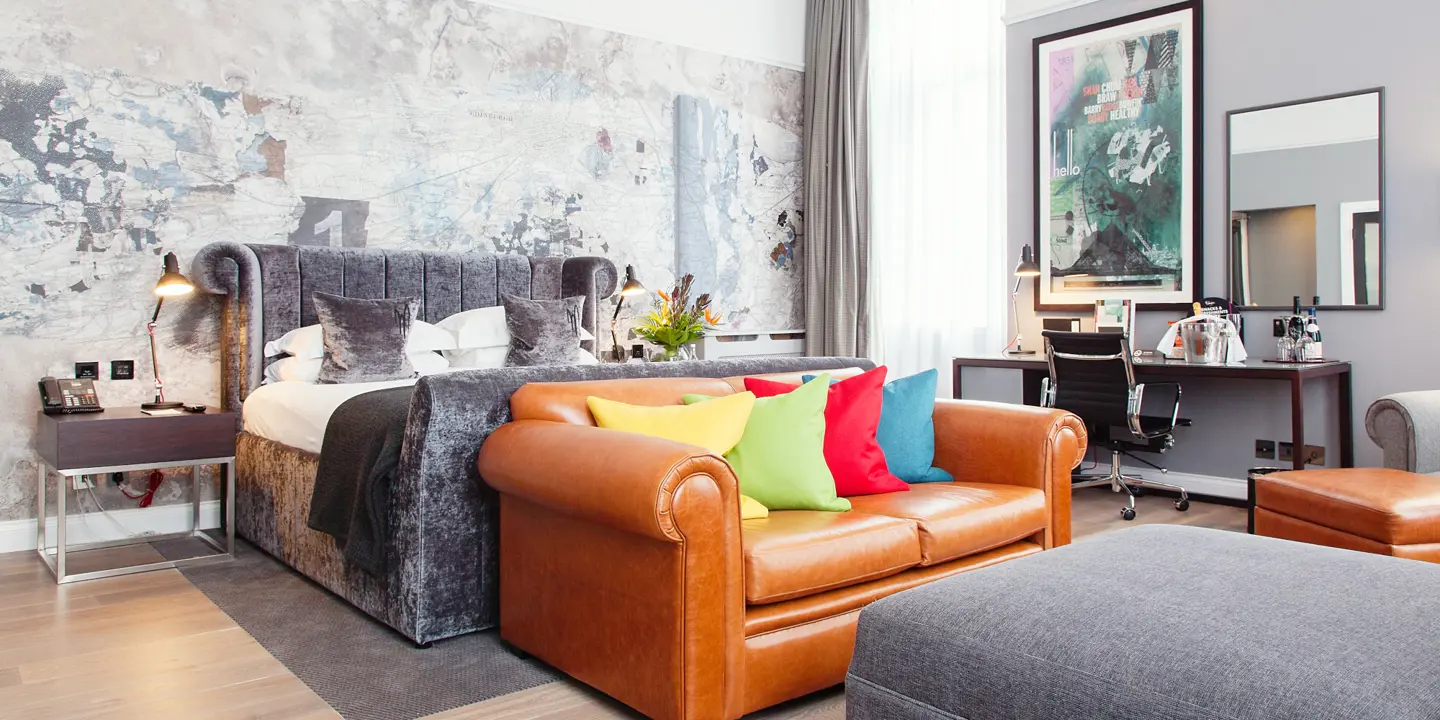
Down on Leith's historic waterfront, this Malmaison is a quieter retreat away from Edinburgh's hectic and tourist-heavy city centre.
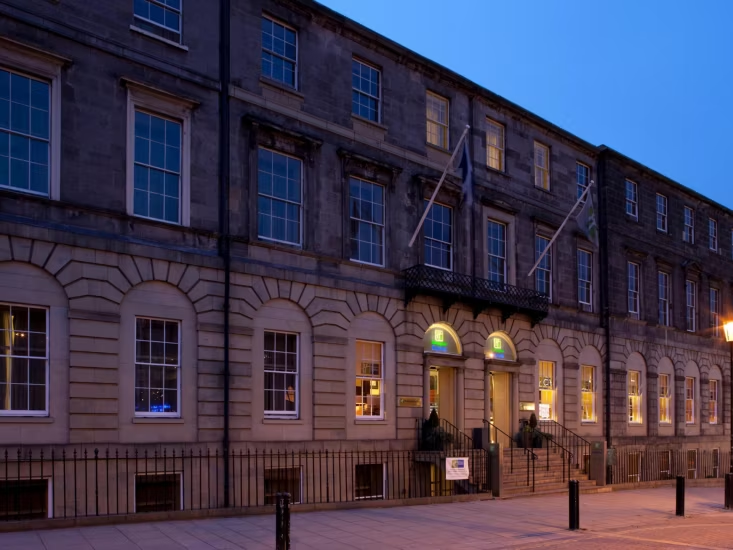
Centrally positioned near major tram routes and ideal for exploring the city at large, Holiday Inn rooms also include a free hot breakfast.

Nestled at the foot of Calton Hill close to the city centre, Parliament House Hotel has bright rooms, an on-site bistro, and is only a short walk to the stadium.


HEARTY, LOCALLY SOURCED INGREDIENTS
Scottish cuisine is a reflection of the country’s history, geography, and climate.
Meat, particularly lamb, beef, and game, plays a central role, often complemented by fresh fish from the surrounding seas, such as salmon and haddock. One of the most iconic Scottish dishes is haggis, a savoury pudding made from sheep's heart, liver, and lungs, mixed with oats, onions, and spices, traditionally encased in a sheep's stomach.
Scotland is also known for its stovies, a comforting dish of potatoes, onions, and meat, usually served with oatcakes. Cullen Skink, a creamy soup made with smoked haddock, potatoes, and onions, is a staple of coastal cuisine. Another beloved dish is Scotch broth, a nourishing soup made with lamb, vegetables, and barley. A reputation for deep-frying everything is knowingly embraced with some chip shops offering to batter and fry pretty much anything you bring them to put in the fryer.
At the football, a variety of pies are king, with fillings ranging from minced lamb to macaroni cheese and curried chicken to doner kebab meat.
For dessert, cranachan, a sweet treat made with whipped cream, honey, raspberries, and oats, reflects Scotland’s love for berries and dairy. Shortbread, a simple but rich biscuit, is also famous worldwide.

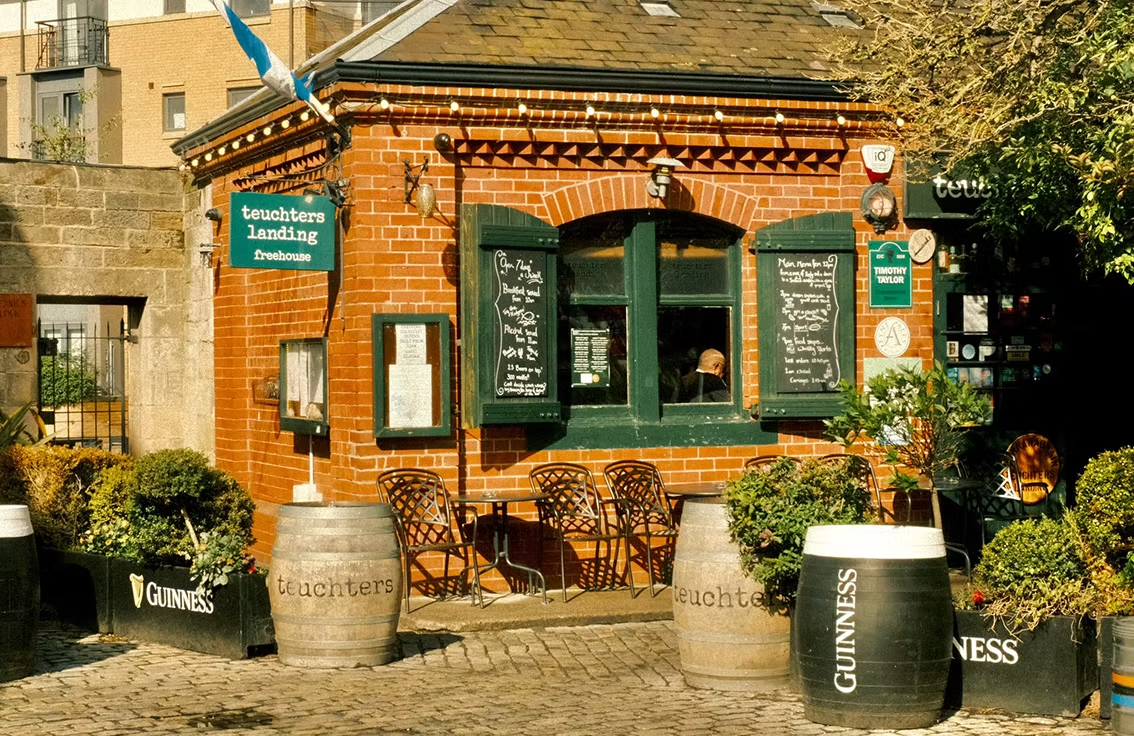
Showcasing Scottish whisky, beer and food all in one place, Teuchters is an old ferry waiting room now also including a beer garden, pontoon and bridge over the water.
Named after Huế, Vietnam's ancient imperial capital, Little Huế is a family- and group-friendly restaurant next to Leith Links, serving a variety of freshly-made speciality dishes.

Specialising in 'authentic smashed burgers and slow-cooked pulled beef', The Bread Cartel is a heavy duty fast food place with a massive menu. Perfect for lining the stomach.

Sustainable Scottish fish and seafood served with simplicity and style, the Ship on the Shore prides itself on using fresh ingredients delivered daily and served from 11am onwards.

SOPHISTICATED AND CREATIVE
Scottish drinks are as diverse as its cuisine, ranging from world-renowned spirits to beloved soft drinks.
The most famous is whisky, a distilled spirit that has put Scotland on the global map. Made primarily from barley, it is aged for a minimum of three years in oak casks, giving it a rich variety of flavours, from smoky Islay whiskies to the smoother, sweeter drams of the Highlands and Speyside. Single malts, blends, and grain whiskies all have distinct characteristics, with each region offering unique tastes.
In addition to whisky, Scotland has a long tradition of beer brewing. Scottish ales, particularly heavy ales and Scottish stouts, are popular, often known for their rich maltiness and lower alcohol content compared to their English counterparts. The country is home to many craft breweries, offering a range of lagers, IPAs, and seasonal brews.
For non-alcoholic options, Irn-Bru stands out as Scotland’s unofficial national drink. This bright orange, slightly citrus-flavoured fizzy juice is beloved for its distinctive taste and is often seen as a counterpoint to Coca-Cola.
The coffee scene has exploded in recent years too, although for a traditional hot drink at the football you might find punters enjoying Bovril, a beef-extract based drink. Finally, cloudy lemonade and Scottish fruit cordials made from local berries like elderflower or rowan are traditional, refreshing alternatives to fizzy drinks, often served chilled.
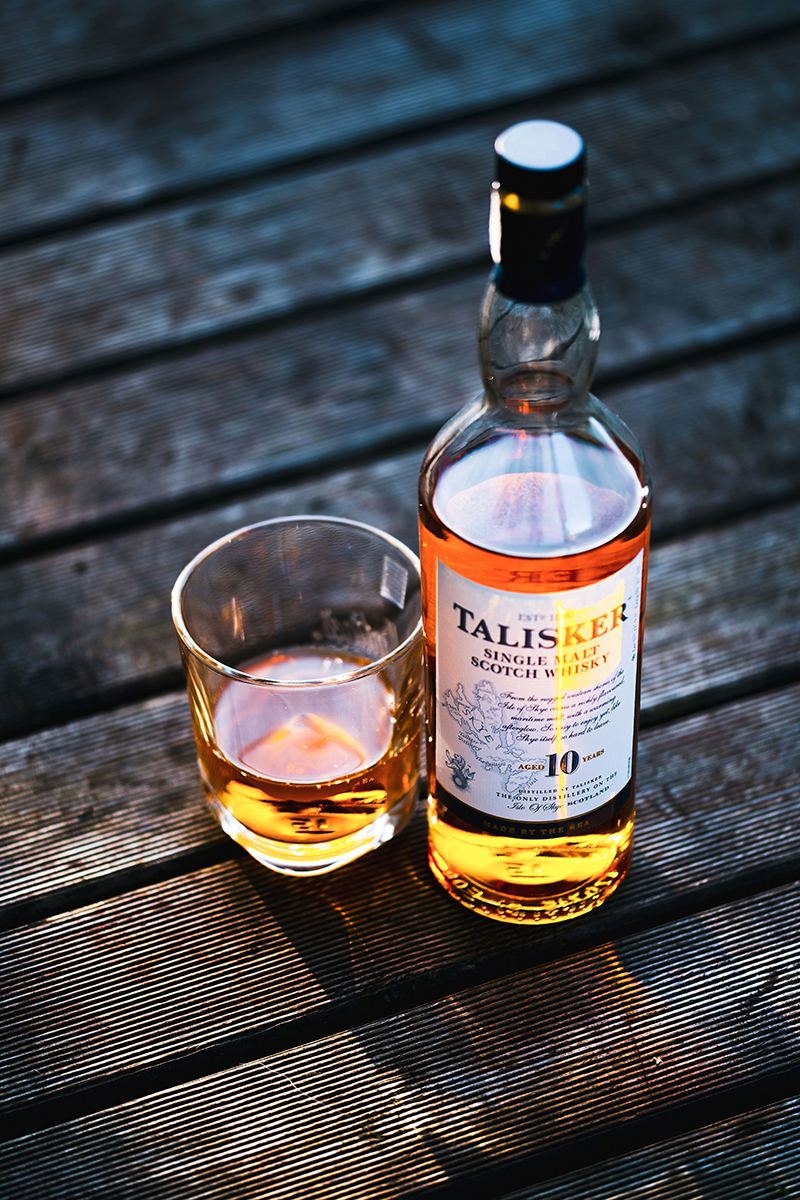

On the corner of Leith Walk and Iona Street, one of the main thoroughfares to Easter Road, Robbie's is a traditional pub with good ales and sport on the big screens.

The spectacularly ornate roof is one of a few reasons punters now flock to the Guildford Arms - its proximity to Waverley makes it the idea spot to get your matchday started right.

The Iona is one of a few pubs in really close proximity to the stadium - a small, one room pub on the inside, most punters spill into the small beer garden for pre-match drinks.

Probably the closest pub to the ground, offering a range of food and drinks options including local cask and craft ales, cocktails. Packed and lively on matchdays.

Drawing on Hibs' famous motto, the Persevere (or the Percy) couples an ornate bar space with a restaurant serving traditional pub and Polish dishes.

Block Seven
Block Seven is Hibs' prominent ultras group dedicated, formed in late 2021 after the dissolution of the previous singing section, Since 1875. Initially starting with just three core members, Block Seven rapidly expanded into a well-organised collective that drives the vocal and visual atmosphere at Easter Road (and at away games).
The group is best known for orchestrating vibrant tifo displays, generating continuous chants, and organising matchday marches. To maximise their vocal presence, the group successfully negotiated with club officials to establish a permanent home in the lower tier of the Famous Five stand and have ambitions to fill the whole lower tier.
Beyond creating an atmosphere for all Hibs teams at Easter Road, Block Seven actively engages in community work, including hosting food banks and fundraising marathons. Politically and culturally active, they have stood alongside other Scottish fan groups to protest heavy-handed policing of football culture.


Glory, Glory to the Hibees
There is a bonnie fitba' team, at Easter Road they play.
I go along to cheer them every other Saturday.
In colours, green and white, the finest in the land today!
The Hibs go marching on!
Glory, Glory to the Hibees.
Glory, Glory to the Hibees.
Glory, Glory to the Hibees.
We are the Hibee Boys.
Against the continentals we have always stood the test.
Against the famous English clubs, we’re better than the rest!
We’ve beat the champs of Europe and we are by far the best,
as we go marching on.
Glory, Glory to the Hibees.
Glory, Glory to the Hibees.
Glory, Glory to the Hibees.
We are the Hibee Boys.
And when I dream of bygone days, as I do now and then.
I dream about the forward line, the world's greatest men.
Smith, Johnstone, Reilly, Turnbull, Ormond!We won't see again.
But their memory marches on.
(GIE THE BA' TAE REILLY!)
Glory, Glory to the Hibees.
Glory, Glory to the Hibees.
Glory, Glory to the Hibees.
We are the Hibee Boys.


We Are Hibernian FC
We are Hibernian FC,
We hate Jam Tarts and we hate Dundee,
And we will fight, wherever we may be
Cos we are the mental HFC
It's a Grand Old Team
Hail Hail, the Hibs are here,
All for goals and glory,
All for goals and glory,
Hail Hail, the Hibs are here, All for goals and glory now...
For it's a grand old team to play for,
For it's a grand old team to see,
And if you know the history,
It's enough to make your heart go, woah
We don't care what the Jambos say,
What the hell do we care,
For we only know, that there's gonna be a show,
And the Edinburgh Hibees will be there...
Ooh to be a Hibee
Ooh,
To,
Ooh to be,
Ooh to be a,
Hibee!!!
Special mention
The away anthem to the tune of 'That's the Way (I Like It)' by KC and the Sunshine Band:
Hibs away, uh-huh uh-huh,
I like it! Uh-huh, uh-huh


Edinburgh is unique layout is divided into two distinct UNESCO World Heritage sites: the atmospheric Old Town, with its maze of cobbled alleys and hidden closes stretching down the historic Royal Mile, and the elegant Georgian New Town, famous for its grand neoclassical architecture and premier shopping.
Dominating the skyline from its volcanic perch, Edinburgh Castle offers an unforgettable look into Scotland’s royal past. Visitors can step directly from historic fortresses into a world-class arts scene, highlighted by the world-famous Edinburgh Festival Fringe every August. For nature lovers, the city provides dramatic volcanic landscapes right in its centre; a walk up Arthur’s Seat rewards travellers with breathtaking 360-degree panoramic views of the city skyline and the sparkling coast.
Beyond the history, Edinburgh thrives on a rich culinary and social scene. From traditional, cozy pubs serving local single-malt whiskies to trendy waterfront bistros in Leith, the city offers an exceptionally warm, accessible atmosphere. Compact and incredibly walkable, Edinburgh is a destination that caters to history buffs, outdoor adventurers, and culture seekers alike.
CURRENCY: GBP

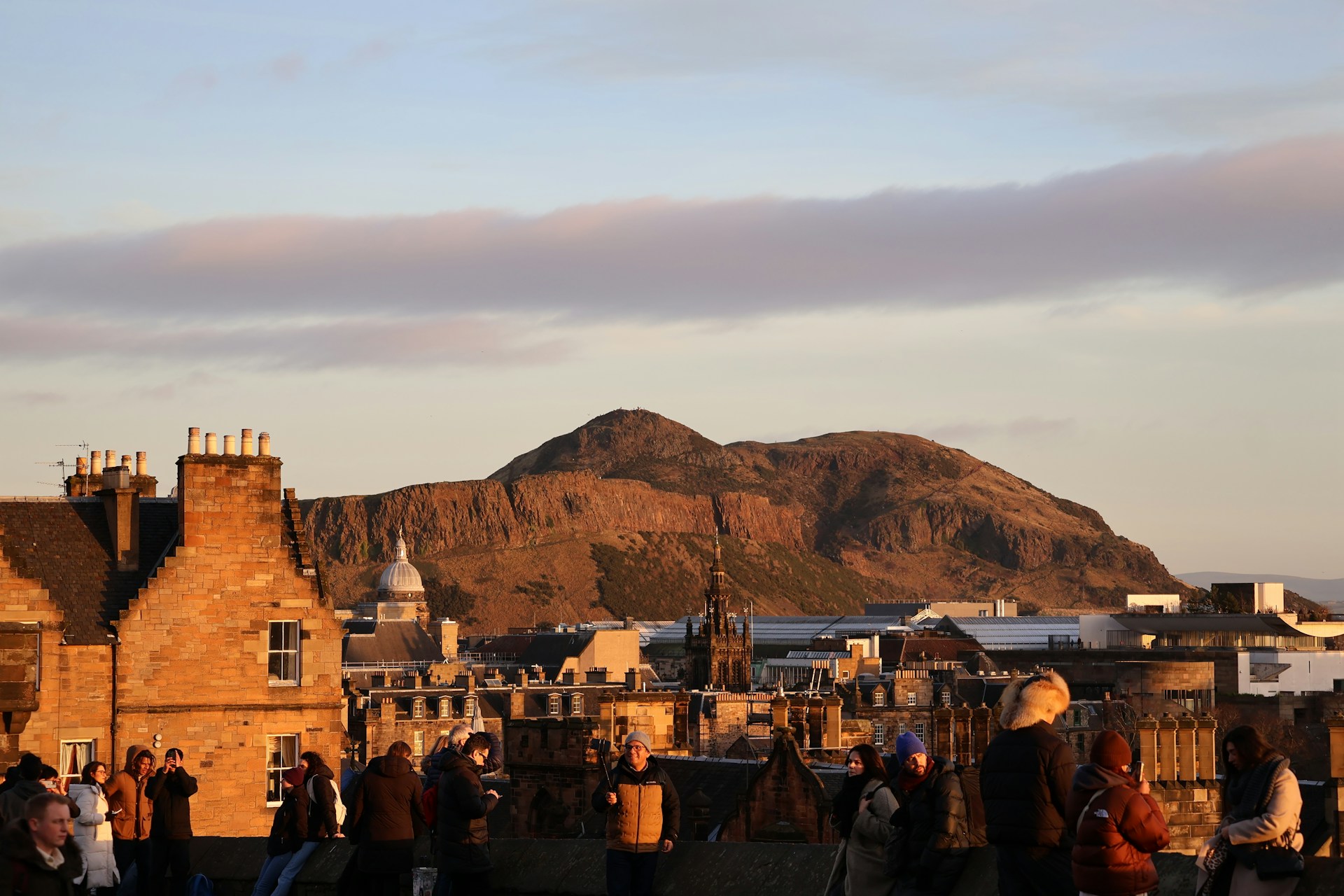
A decent path and a tiny scramble are reasonable prices to pay for incredible views - both out to sea and over to the Pentland Hills - if you head up Edinburgh's extinct volcano.

In the 1700s, these links produced the first formal golf membership club and first golf club house. The first tournament took place at Leith and you can still play at Bruntsfield.

The three bridges over the Firth of Forth are almost as famous as the city - explore them on foot via a special trail, or book boat trips out into the water for an up-close view.

Offers panoramic views and a unique experience climbing the narrow corridors, as does walking through the beautiful gardens and surrounding park beneath the castle.

Heart of Midlothian
Founded in 1874, Heart of Midlothian is one of Scotland's oldest football clubs and has called Tynecastle Park home since 1886. The stadium has undergone major redevelopment over the years but retains the compact, intimidating feel that has made it one of Scottish football's most distinctive grounds.
Tynecastle's four stands wrap tightly around the pitch, creating an atmosphere that can feel considerably louder than the ground's capacity suggests. The current stadium holds 19,852 supporters, making it slightly smaller than Easter Road across town.
TOP TIP
If you're travelling to Tynecastle for the first time, get there early. The stadium sits right in the middle of Gorgie, with pubs and cafés immediately around it, so there is no need to arrive at the last minute and disappear straight into the turnstiles.
The club's Eighteen 74 Fans' Bar is also open on matchdays to season-ticket holders and supporters with a valid home-end ticket, providing another option for pre- and post-match drinks.
THE PROCESS
Match tickets are available through Hearts' official e-ticketing system, with sales opening according to the club's schedule and priority arrangements. Tickets can also be purchased in person from the Hearts Ticket Office in the Main Stand.
Prices vary according to the opposition, age category and seating zone. Category A fixtures include the Edinburgh derby, Celtic and Rangers, so expect these to be more difficult to obtain.
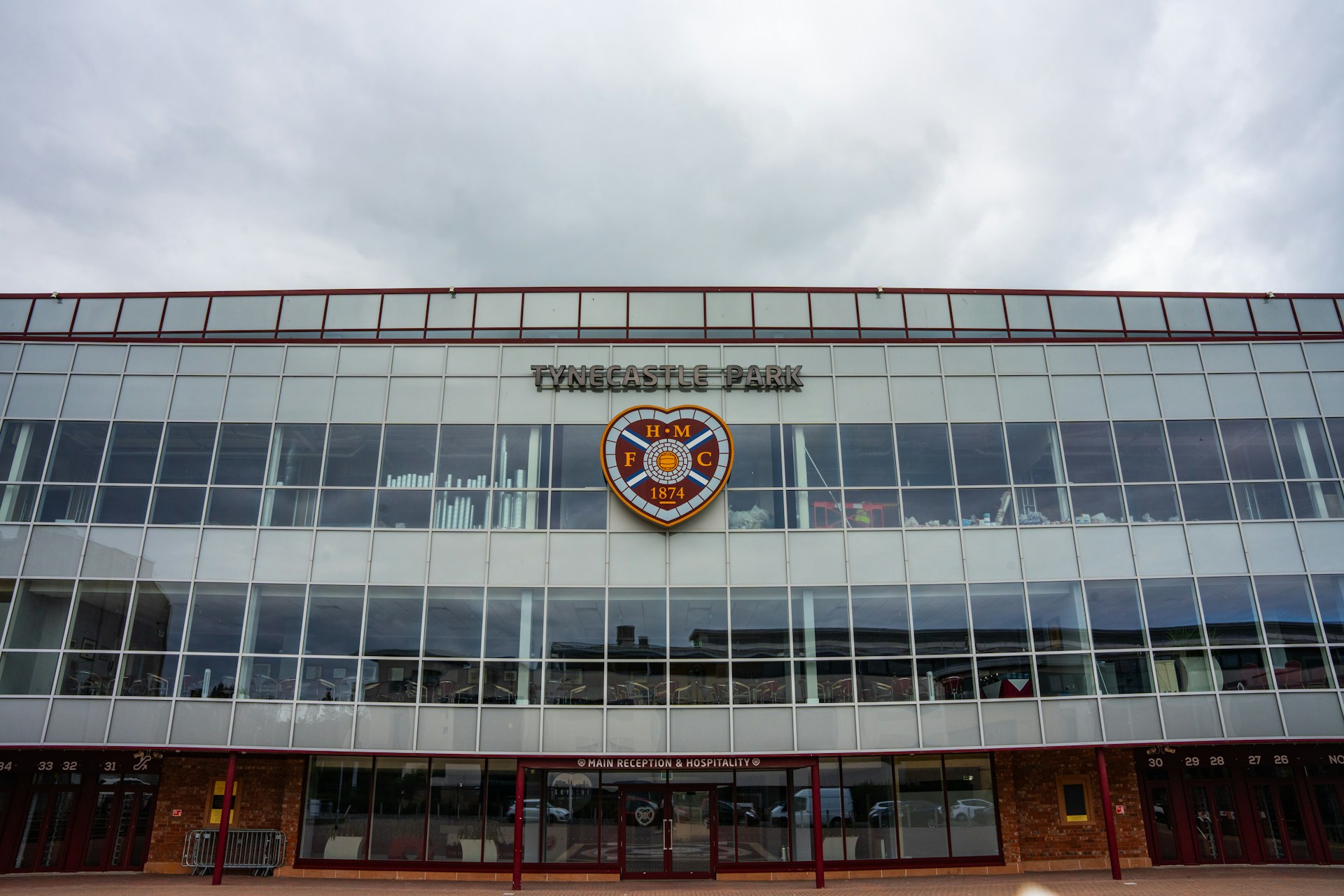
For atmosphere, the Gorgie Stand is the obvious choice. It houses the most vocal Hearts support and is where you'll get closest to the heart of the matchday noise.
The Main Stand offers a more traditional view of the stadium and houses the club's hospitality areas, while the Wheatfield and Roseburn Stands complete the four-sided ground.
Image by Paul Henery - own work, CC BY-SA 4.0, https://commons.wikimedia.org/w/index.php?curid=66625859


The 90-minute Heritage Stadium Tour takes you behind the scenes at Tynecastle, including areas of the stadium that are normally closed to supporters like the including the first team changing rooms, the tunnel, dugouts, and media suite. A 60-minute 'Main Stand' tour includes an experienced Private Tour Guide and access to restricted areas as well. Both can be booked at https://www.heartsfc.co.uk/pages/tynecastle-park-stadium-tours, which also has options for group tours and a useful FAQs section.
For something more expansive, the Hearts Heritage Trail traces the club's history around Edinburgh, beginning at St Giles' Cathedral and visiting locations connected with the formation and early years of the club before finishing at Tynecastle and the Hearts Museum.


Address: Tynecastle Park, McLeod Street, Edinburgh EH11 2NL
Tynecastle Park is readily accessible either on foot from the city centre (or a pub en route) or by public transport:
ON FOOT
From Haymarket, walk west along Dalry Road before continuing towards Gorgie. The route takes you through one of the city's most recognisably Hearts-supporting neighbourhoods.
BY TRAIN
Haymarket is the nearest major railway station and is around a 20-minute walk from Tynecastle.
BY BUS
Gorgie is well served by Lothian Buses, with regular services running from the city centre towards the stadium. The most direct services are the 1, 3, 25 and 33.


You can't get closer than this - a four-star hotel and gives you the unusual opportunity to stay at a football ground without sacrificing the comforts of a proper city hotel.

A short walk from Haymarket station, this is a useful base for anyone arriving by train. It also puts you within easy reach of Dalry, the West End and the city centre.
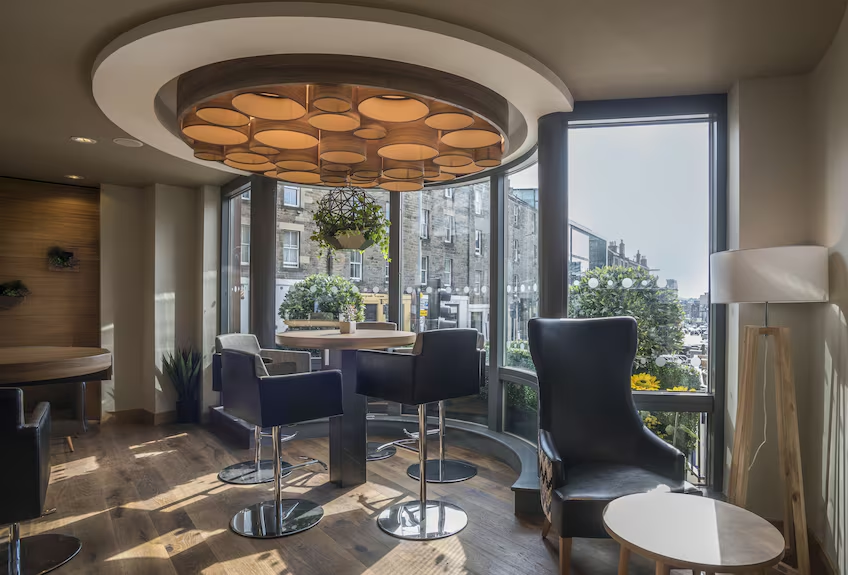
Compact, modern rooms with comfortable beds, air conditioning, free Wi-Fi and private bathrooms, with a bar and lounge downstairs for a drink after a day exploring the city.
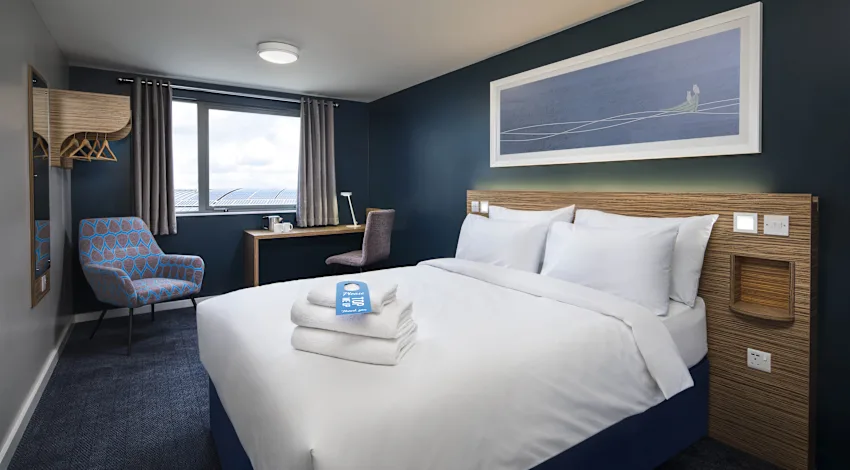
A budget option near both the city centre and Tynecastle, useful for a football weekend when you're looking for somewhere practical to sleep rather than somewhere to spend the day.

HEARTY, LOCALLY SOURCED INGREDIENTS
Scottish cuisine is a reflection of the country’s history, geography, and climate.
Meat, particularly lamb, beef, and game, plays a central role, often complemented by fresh fish from the surrounding seas, such as salmon and haddock. One of the most iconic Scottish dishes is haggis, a savoury pudding made from sheep's heart, liver, and lungs, mixed with oats, onions, and spices, traditionally encased in a sheep's stomach.
Scotland is also known for its stovies, a comforting dish of potatoes, onions, and meat, usually served with oatcakes. Cullen Skink, a creamy soup made with smoked haddock, potatoes, and onions, is a staple of coastal cuisine. Another beloved dish is Scotch broth, a nourishing soup made with lamb, vegetables, and barley. A reputation for deep-frying everything is knowingly embraced with some chip shops offering to batter and fry pretty much anything you bring them to put in the fryer.
At the football, a variety of pies are king, with fillings ranging from minced lamb to macaroni cheese and curried chicken to doner kebab meat.
For dessert, cranachan, a sweet treat made with whipped cream, honey, raspberries, and oats, reflects Scotland’s love for berries and dairy. Shortbread, a simple but rich biscuit, is also famous worldwide.

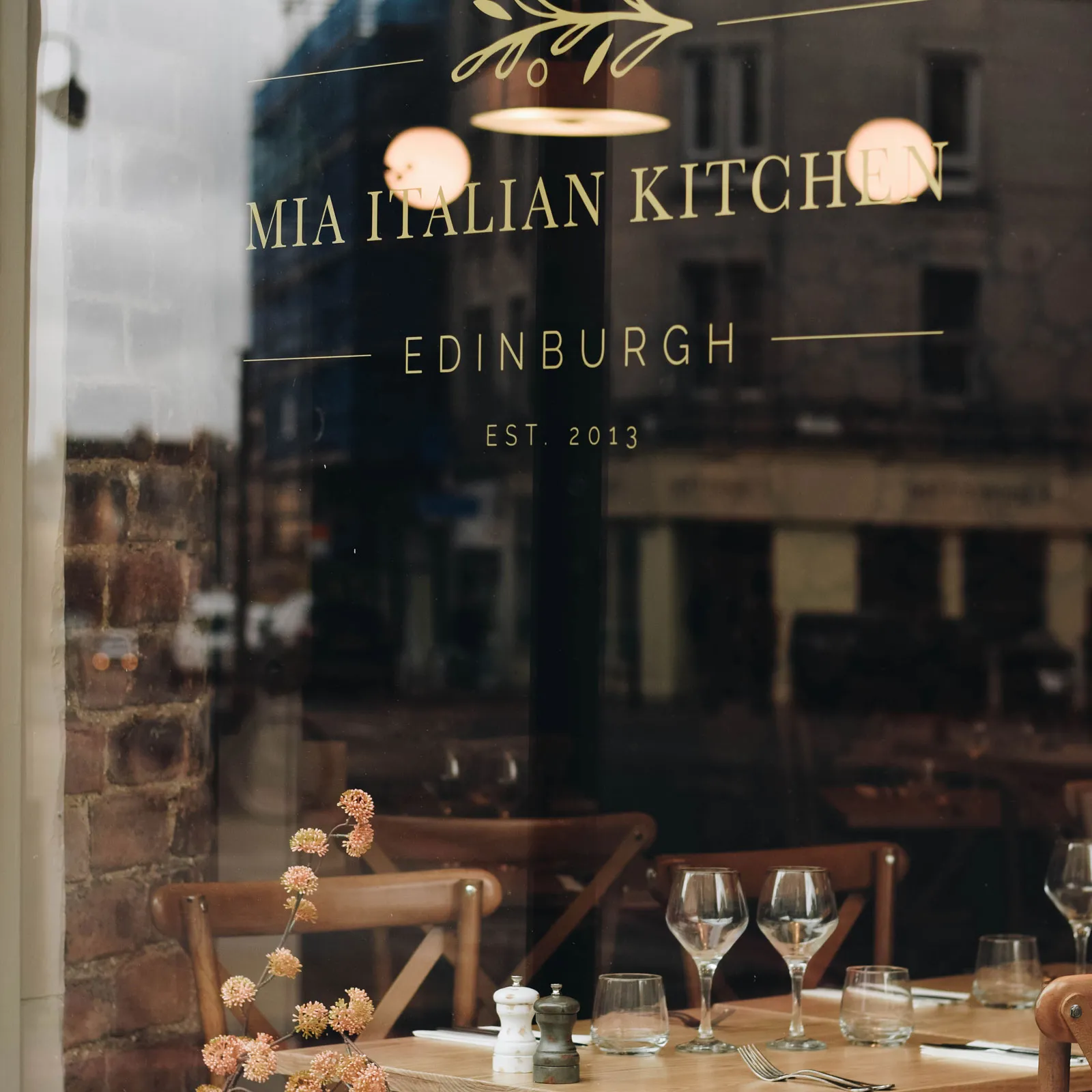
Serving pizzas, pasta and other Italian favourites, Mia's location makes it particularly handy before a match, sitting on the natural route between Haymarket and Tynecastle.

A Dalry institution, the menu focuses on authentic Italian cooking from Naples, making it a good choice when you want something more substantial than standard matchday fare.

A lively, informal option combining Spanish tapas and Greek/Mediterranean mezze. Ideal for groups who want to eat somewhere relaxed before or after the game.

A good gastropub alternative to eating immediately around the stadium and lets you build the matchday around Haymarket and the West End.
SOPHISTICATED AND CREATIVE
Scottish drinks are as diverse as its cuisine, ranging from world-renowned spirits to beloved soft drinks.
The most famous is whisky, a distilled spirit that has put Scotland on the global map. Made primarily from barley, it is aged for a minimum of three years in oak casks, giving it a rich variety of flavours, from smoky Islay whiskies to the smoother, sweeter drams of the Highlands and Speyside. Single malts, blends, and grain whiskies all have distinct characteristics, with each region offering unique tastes.
In addition to whisky, Scotland has a long tradition of beer brewing. Scottish ales, particularly heavy ales and Scottish stouts, are popular, often known for their rich maltiness and lower alcohol content compared to their English counterparts. The country is home to many craft breweries, offering a range of lagers, IPAs, and seasonal brews.
For non-alcoholic options, Irn-Bru stands out as Scotland’s unofficial national drink. This bright orange, slightly citrus-flavoured fizzy juice is beloved for its distinctive taste and is often seen as a counterpoint to Coca-Cola.
The coffee scene has exploded in recent years too, although for a traditional hot drink at the football you might find punters enjoying Bovril, a beef-extract based drink. Finally, cloudy lemonade and Scottish fruit cordials made from local berries like elderflower or rowan are traditional, refreshing alternatives to fizzy drinks, often served chilled.

The essential Hearts pub and whisky hub, its nickname comes from its location between two cemeteries and the generations of gravediggers who apparently used the pub after work.

The quintessential Hearts matchday pub. Sitting on Gorgie Road almost next to the stadium, it is the place to soak up the pre-match atmosphere before the short walk to the ground.

A relaxed, unpretentious pub with a strong local following, making it a useful stop for a pint and something to eat before heading to the ground.
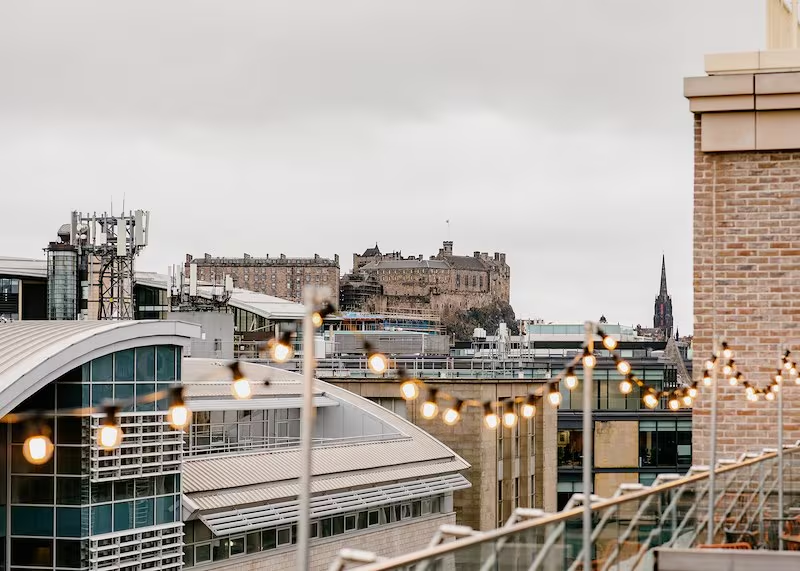
On the roof of the Moxy and combines city views with cocktails inspired by its whisky and gin heritage. A good post-match option for something a little more polished.
The Gorgie Ultras
The Gorgie Ultras were founded in 2022 by a group of regular away fans who routinely ran into each other at games and shared a desire to revive the "stale and flat" home matchday atmosphere. Today they're based in the Gorgie Stand at Tynecastle and like many ultras on the Scottish scene provide near-constant songs and drumming throughout the game. Ideologies are generally shared too, with ultras maintaining a community focus. Gorgie Ultras also have a stated aim of self-policing and rejecting sectarian chanting.
More generally, Hearts supporters are known as the Jambos, a nickname derived from the club's Jam Tarts nickname. The club's support is deeply tied to Gorgie and the surrounding west of Edinburgh. The matchday experience is therefore less about arriving at an out-of-town stadium and more about gradually becoming immersed in the neighbourhood before the game. Pubs, shops and streets around Tynecastle fill with maroon as kick-off approaches.
The Hearts support also carries a strong sense of history. The club's connection to the First World War is particularly significant: the famous Hearts players who enlisted together in 1914 are commemorated throughout the club and city, while the Hearts War Memorial stands in Haymarket.


The Hearts Song
Away up in Gorgie at Tynecastle Park,
There's a wee football team that aye makes it's mark,
They've won all the honours for footballing arts,
And there's nae other team to compare with the Hearts
H-E-A (H E A) ....... R-T-S (R T S)
If you cannae spell it then here's what it says,
Hearts, Hearts, Glorious Hearts,
It's down at Tynecastle they bide,
The talk of the toon are the boys in maroon,
And auld reekie supports them with pride
This is my story, This is my song ,
Follow the Hearts and You can't go wrong,
Oh some say that Celtic and Rangers are grand,
But the boys in maroon are the best in the land
We've won the league flag and we've won the league cup,
Though we sometimes go down we can aye go back up,
Our forwards can score and it's no idle talk,
Our defence is as strong as the auld castle rock
H-E-A (H E A) ....... R-T-S (R T S)
National caps we can always supply,
Like Massey and Walker and Bauld and Mackay,
If I had the time I could name dozens more
Who've helped in producing the auld Hampden roar
H-E-A (H E A) ....... R-T-S (R T S)
Have you heard of the Heart of Midlothian?
Have you heard of the Heart of Midlothian?
Have you seen them in "Marone”?
Have you heard of the Heart of Midlothian?
They're the greatest team I know...
We have played in South Morocco,
We have played in the USA,
But the greatest game in history,
Is the game on new years day...


Edinburgh is unique layout is divided into two distinct UNESCO World Heritage sites: the atmospheric Old Town, with its maze of cobbled alleys and hidden closes stretching down the historic Royal Mile, and the elegant Georgian New Town, famous for its grand neoclassical architecture and premier shopping.
Dominating the skyline from its volcanic perch, Edinburgh Castle offers an unforgettable look into Scotland’s royal past. Visitors can step directly from historic fortresses into a world-class arts scene, highlighted by the world-famous Edinburgh Festival Fringe every August. For nature lovers, the city provides dramatic volcanic landscapes right in its centre; a walk up Arthur’s Seat rewards travellers with breathtaking 360-degree panoramic views of the city skyline and the sparkling coast.
Beyond the history, Edinburgh thrives on a rich culinary and social scene. From traditional, cozy pubs serving local single-malt whiskies to trendy waterfront bistros in Leith, the city offers an exceptionally warm, accessible atmosphere. Compact and incredibly walkable, Edinburgh is a destination that caters to history buffs, outdoor adventurers, and culture seekers alike.
CURRENCY: GBP

A decent path and a tiny scramble are reasonable prices to pay for incredible views - both out to sea and over to the Pentland Hills - if you head up Edinburgh's extinct volcano.
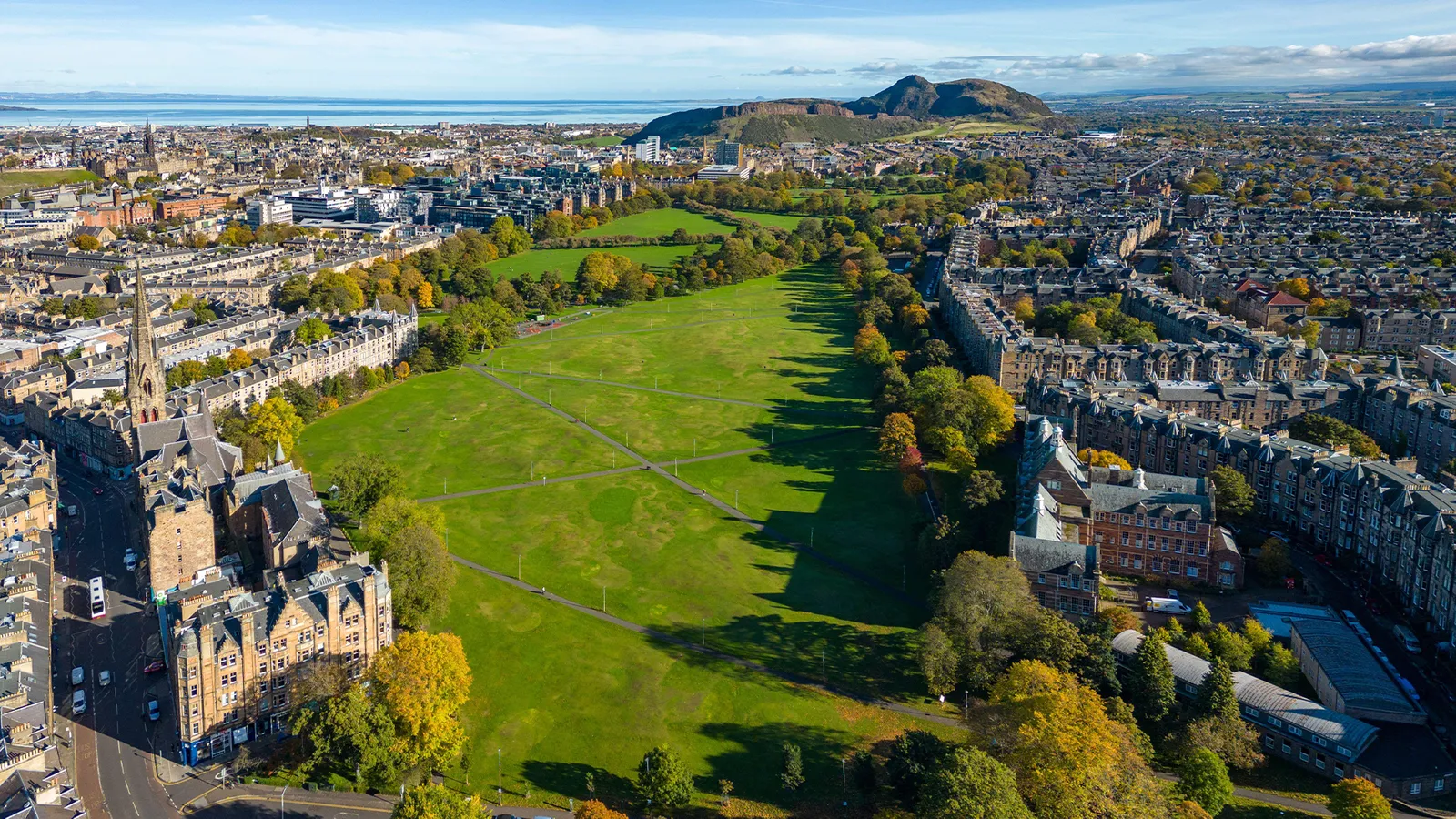
In the 1700s, these links produced the first formal golf membership club and first golf club house. The first tournament took place at Leith and you can still play at Bruntsfield.
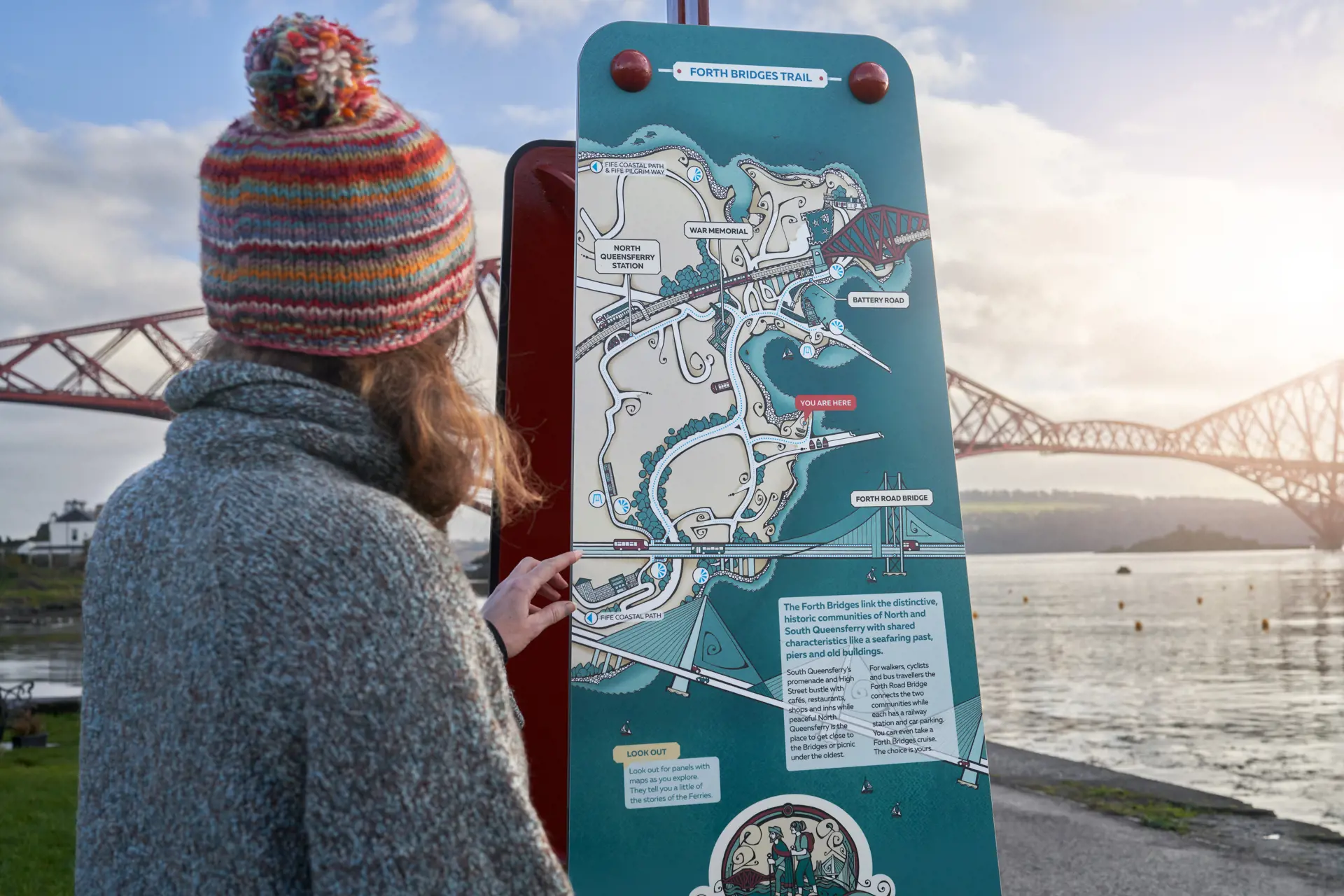
The three bridges over the Firth of Forth are almost as famous as the city - explore them on foot via a special trail, or book boat trips out into the water for an up-close view.

Offers panoramic views and a unique experience climbing the narrow corridors, as does walking through the beautiful gardens and surrounding park beneath the castle.